Song Meaning
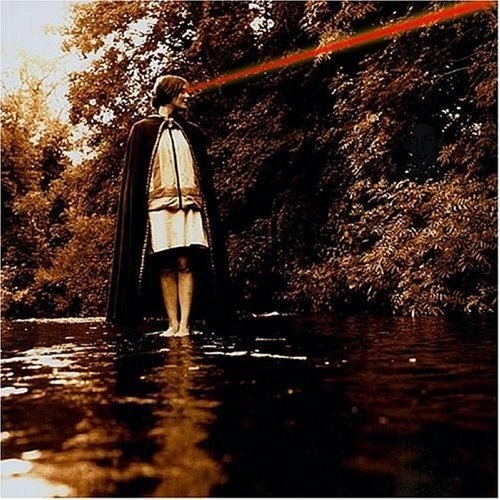
Scout Niblett's "Moon Lake" isn't merely a song; it's an invocation. The lyrics paint a stark, intimate scene: a solitary figure at the water's edge, poised between anticipation and something deeper – a near-religious submission. The water isn't just water; it's a force, "rolling with excitement," anthropomorphized with a palpable urgency, an almost sexual eagerness to reach the waiting figure. Niblett masterfully sets the stage for a communion, blurring the lines between self, nature, and something transcendent. The use of simple language belies a profound emotional and psychological landscape. The repetition of "Our union ruled the world for a moment" emphasizes the ephemeral nature of these intense experiences, hinting at both their power and their fleeting quality. It suggests a temporary escape from the mundane, a brief but all-consuming connection that redefines the world, if only for an instant.
The core of "Moon Lake" lies in its exploration of the self through immersion. The water becomes a lover, an entity that not only surrounds but penetrates, seeking to "reach itself inside of me." This isn't merely physical; it's a psychic merging, a dissolving of boundaries between the internal and external. It speaks to a desire for wholeness, a yearning to connect with something larger than oneself, even if that connection is found in the seemingly simple act of entering a lake. The almost ritualistic language – "I am waiting / In worship" – elevates the experience beyond a casual swim. It implies a deliberate act of surrender, a willingness to be consumed and transformed.
Ultimately, the song meaning of "Moon Lake" resides in its depiction of the search for connection and the ecstatic dissolution of self. It's a sonic poem about the power of nature to evoke profound emotional and spiritual experiences, and the human need to find meaning in the world through intimate encounters, whether with another person, or with the natural world. Scout Niblett uses the image of immersion to represent a deeper psychological truth: that sometimes, to truly find ourselves, we must be willing to lose ourselves in something else.
 View Artist