Song Meaning
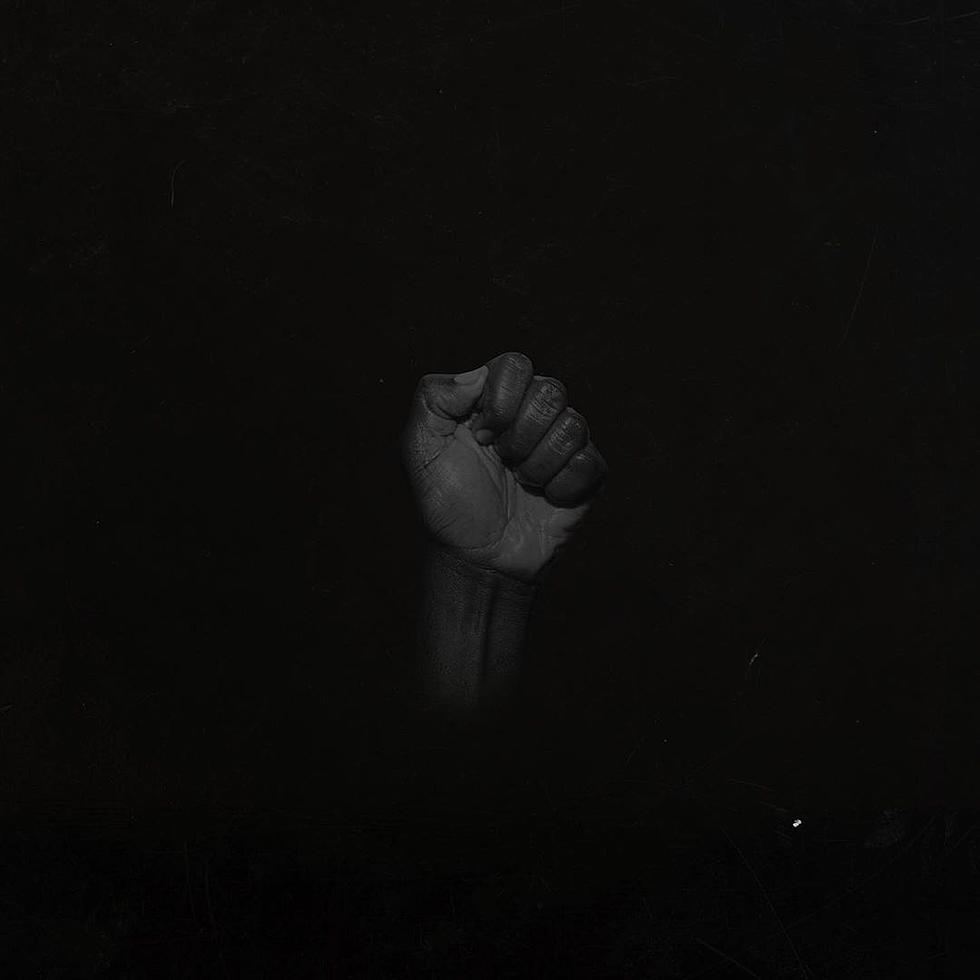
The lyrics open with a stark, declarative repetition of "Black." This isn't just a statement of identity; it feels like an assertion against erasure or dilution. The repeated "I'm black" grounds the listener in a singular, unwavering selfhood. It's a powerful, almost primal, declaration of existence.
The core tension emerges with the repeated plea, "Don't you dare lose yourself, beautiful." This warning is juxtaposed with the dismissive phrase, "It's only a man I got." The lyrics suggest a struggle against external pressures or internal doubts that threaten to diminish the speaker's sense of self. The "man" seems to represent something fleeting or less significant than the core identity being defended.
The most striking craft element is the interplay between the absolute assertion of "Black" and the vulnerable, almost pleading, "Don't you dare lose yourself, beautiful." This contrast highlights a deep-seated fear of losing one's essence, even while holding onto a powerful sense of self. The repetition of "It's only a man I got" functions almost like a mantra, attempting to minimize a perceived threat or distraction.
This lyrical construction is effective because it taps into a fundamental human experience: the need to protect one's core identity against forces that seek to define or diminish it. The raw, unadorned language and insistent repetition create a sense of urgency and deep personal conviction, making the plea to "not lose yourself" resonate with a profound emotional weight.
 View Artist