Song Meaning
The lyrics paint a stark picture of injustice and violence, directly confronting a system that perpetrates "bloodshed" and "murder." The opening lines immediately establish a tone of accusation, pointing fingers at "White lives" for "spreading lies" and demanding accountability for "the bloodshed on your hands." This isn't abstract; it's a raw, immediate denunciation of specific acts and the power structures that enable them.
The central tension arises from the overwhelming grief and suffering, articulated as "We are dying, it's the reason we are crying." Yet, this profound pain doesn't lead to surrender. Instead, it fuels a defiant resilience. The repeated accusation of "murder" underscores the severity of the situation, creating a backdrop against which the chorus's declaration of strength is amplified. It's a response born from deep hurt but channeled into an unyielding spirit.
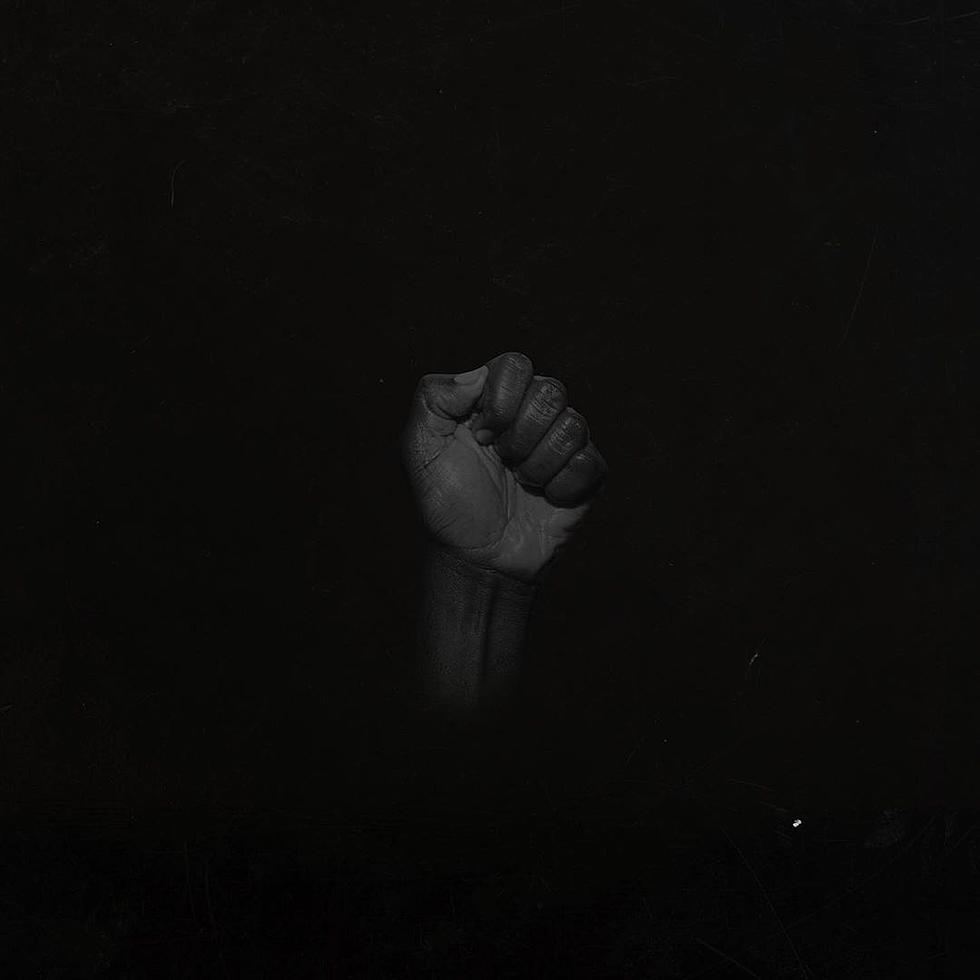
The most striking element is the juxtaposition of extreme hardship with an unwavering resolve. The phrase "In wildfires" serves as a powerful metaphor for these destructive, overwhelming circumstances. Despite facing such intense, consuming crises, the narrator insists, "we will never show fear" and "I will always rise." This isn't about a lack of emotion; the lyrics acknowledge "my tears" and that "I will always care," but these feelings don't equate to being scared or defeated.
This lyrical construction is effective because it grounds defiance in lived experience rather than platitudes. The raw emotion of "dying" and "crying" makes the subsequent declaration of strength feel earned and potent. The repetition of "murder" and the image of "wildfires" create a sense of inescapable crisis, making the narrator's commitment to rising and not showing fear a profound act of resistance against overwhelming odds.
 View Artist