Song Meaning
The lyrics paint a picture of someone consumed by an unrequited love, trapped in a state of longing. The opening lines, "En la terra humida escric / 'Nena, estic boig per tu'," immediately establish a raw, almost desperate confession. The narrator is constantly waiting for night, a time that perhaps offers a brief respite or a chance to imagine closeness, yet the distance between them is a persistent, painful reality. The phrase "Servil i acabat, boig per tu" acts as a recurring, self-deprecating mantra, highlighting a sense of helplessness and resignation in the face of this overwhelming infatuation.
The central tension lies in the narrator's awareness of their physical and emotional distance from the object of their affection. From the confines of a bar, the narrator acknowledges the impossibility of reaching their beloved: "Jo no puc arribar on ets tu." Yet, this despair is countered by a vivid internal vision. The reflection of the beloved's "llum" (light) in the narrator's drink offers a fleeting, almost hallucinatory connection, which they choose to consume, symbolizing an attempt to internalize or absorb that distant radiance.
The recurring image of rain in the second verse, "Les llàgrimes es perdran / Entre la pluja que caurà avui," amplifies the feeling of being lost and overwhelmed. The narrator anticipates a future absence, where their sorrow will be indistinguishable from the weather, further emphasizing their isolation. This feeling of being "atrapat" (trapped) and "ebri d'aquesta llum" (drunk on this light) suggests an addiction to the very feeling that keeps them bound, unable to escape the intoxicating, yet ultimately unfulfilling, obsession.
What makes these lyrics so potent is the stark contrast between the narrator's internal world and their external reality. The confession of being "boig per tu" (crazy for you) is juxtaposed with the admission of being "servil i acabat" (servile and finished), painting a portrait of someone whose entire being is dedicated to a love that offers no reciprocation. The act of drinking the reflection of light is a powerful, melancholic image of trying to find solace in a phantom, a testament to the consuming nature of this one-sided devotion.
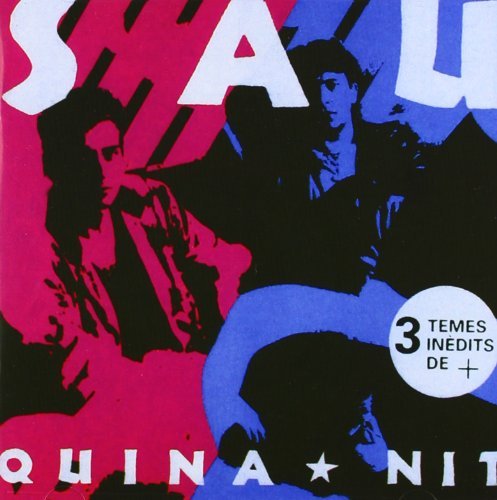
 View Artist