Introduction & Current Status
Sau, the Catalan rock band that defined a generation, might be gone but their music? Still very much alive. Formed in the late '80s, this group became synonymous with the Catalan rock scene, achieving massive success both locally and internationally. Their hits remain staples on Catalan radio, proving their enduring appeal.
While the original lineup is no longer with us, their impact reverberates through contemporary Catalan music. Tribute concerts and re-releases keep their legacy fresh, ensuring new generations discover their iconic sound. Sau's music continues to soundtrack Catalan life, from stadium singalongs to quiet moments of reflection.
Early Life & Background
Sau's story begins with Carles Sabater and Pep Sala, the creative core of the band. Sabater, with his charismatic stage presence, and Sala, the musical mastermind, formed a partnership that would redefine Catalan pop rock. They emerged from a vibrant Barcelona music scene bubbling with post-punk and new wave energy.
The duo's early influences ranged from international rock giants to the burgeoning Catalan music movement. They absorbed everything, filtering it through their unique perspective to create something distinctly their own. This fusion of influences laid the foundation for Sau's signature sound: catchy melodies, heartfelt lyrics, and an undeniable rock edge.
Career Beginnings
Sau officially formed in 1987, quickly gaining traction in Barcelona's local music circuit. Their early gigs were raw and energetic, showcasing their burgeoning talent and infectious enthusiasm. They honed their craft in small clubs, building a loyal following that recognized their potential.
The release of their debut album, "No puc deixar de fumar / Per la porta de servei" No puc deixar de fumar / Per la porta de servei, marked their breakthrough moment. The album's success propelled them into the Catalan music mainstream, establishing them as a force to be reckoned with. Their blend of rock energy and pop sensibilities resonated with audiences hungry for something new.
Major Albums & Discography
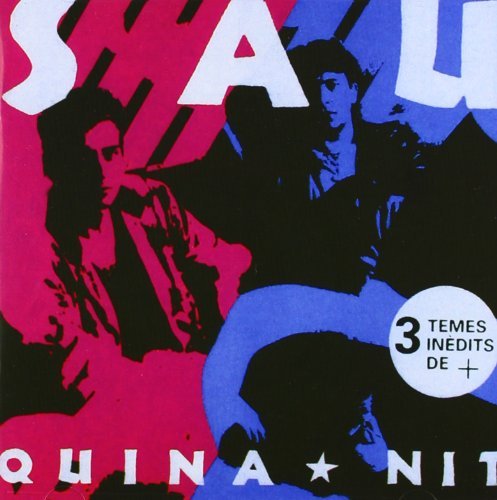
"Quina nit" Quina nit, released in 1990, solidified Sau's status as Catalan rock icons. The album's polished production and catchy hooks launched them to even greater heights. Tracks like Envia'm un àngel became instant classics, cementing their place in Catalan music history.
"El més gran dels pecadors" El més gran dels pecadors (1993) saw Sau experimenting with a more mature and introspective sound. While still maintaining their signature energy, the album explored deeper themes and showcased their evolving musicality. This demonstrated their willingness to evolve beyond their established formula.
Their album "Per la porta de servei" Per la porta de servei was another significant milestone. Each album marked a step forward in their artistic journey. "Set" Set showed their consistency. Finally, "Amb la lluna a l'esquena" Amb la lluna a l'esquena is a definitive album.
Hit Songs & Signature Tracks
Sau's discography is packed with hits that have become anthems for generations of Catalans. Boig Per Tu, perhaps their most iconic song, is a timeless love ballad that transcends language barriers. Its emotional resonance and simple beauty have made it a wedding staple and a karaoke favorite.
Envia'm un àngel is another signature track, showcasing their ability to blend rock energy with pop sensibilities. The song's catchy melody and uplifting lyrics have made it a fan favorite for decades. This song is a must-listen for anyone exploring Catalan rock.
Other notable hits include La Lluna i jo and Encara que siguin de bar. These songs highlight the band's versatility and their knack for crafting memorable melodies. Restaurant xinès is another track loved by fans. Their songs continue to resonate with listeners today.
The introspective Si un dia he de tornar offers a different side to Sau, showcasing their depth and songwriting maturity. Even the energetic Foc al cos showcases the band's dynamic range. Each track solidified their status as musical innovators.
Collaborations & Features
While Sau primarily focused on their own music, they did engage in some notable collaborations. These collaborations often involved other prominent figures in the Catalan music scene. These collaborations served to further solidify their place within the broader artistic community.
Their cross-genre work was limited, as they largely remained true to their pop-rock roots. However, they were open to experimenting with different sounds and styles within that framework. This willingness to evolve kept their music fresh and engaging for their loyal fanbase.
Awards & Achievements
Sau achieved considerable success throughout their career, earning numerous awards and accolades. Their albums consistently topped the Catalan charts, achieving platinum and gold certifications. They were a constant presence on Catalan radio and television, solidifying their mainstream appeal.
While specific details of their awards are scarce, their impact on Catalan music is undeniable. They paved the way for future generations of Catalan artists, demonstrating that it was possible to achieve mainstream success while singing in Catalan. Their legacy continues to inspire artists today.
Personal Life
The personal lives of the band members were largely kept out of the spotlight. Carles Sabater's sudden death in 1999 shocked the Catalan music community and marked the end of Sau. His passing was mourned by fans across Catalonia.
Following Sabater's death, Pep Sala continued to pursue his own musical projects. He has remained an active figure in the Catalan music scene, continuing to write and perform. Sala has kept Sau's legacy alive through tribute concerts and re-releases of their music.
Musical Style & Influence
Sau's musical style is best described as Catalan pop rock. They blended catchy melodies with rock instrumentation, creating a sound that was both accessible and energetic. Their lyrics, primarily in Catalan, explored themes of love, loss, and everyday life.
Their influences ranged from international rock bands like U2 and The Police to Catalan artists like Lluís Llach. They absorbed these influences and filtered them through their unique perspective to create something distinctly their own. Sau, in turn, influenced countless Catalan artists who followed in their footsteps.
Sau's legacy extends beyond their musical achievements. They played a crucial role in promoting the Catalan language and culture. They proved that it was possible to achieve mainstream success while singing in Catalan, inspiring other artists to embrace their cultural identity. Sau helped to shape the cultural landscape of Catalonia.
Recent Work & What's Next
While Sau as a band is no longer active, their music continues to be celebrated and re-released. Tribute concerts are frequently held in Catalonia, keeping their legacy alive for new generations. Pep Sala continues to perform Sau's music, ensuring that their songs continue to be heard.
There are no upcoming albums or tours planned under the Sau name. However, their music remains readily available on streaming services and in record stores. The album Assim Que Vem still resonates with fans. Sau's impact on Catalan music is undeniable, and their songs will continue to be enjoyed for years to come. Listeners still enjoy Perestroika and Deprimit III (Tan deprimit com sempre). Even És inútil continuar has a special place for fans.