Song Meaning
The clock strikes midnight, and a profound sadness descends. The narrator navigates the early evening with relative composure, but as the witching hour approaches, a familiar ache intensifies. This isn't just a passing mood; it's a predictable, almost ritualistic descent into melancholy that marks the true onset of their suffering. The repetition of "'round midnight" emphasizes this inescapable temporal trigger for their pain.
This sorrow is intrinsically linked to memory, specifically memories of a lost or strained relationship. The narrator finds these recollections unbearable, especially when their heart remains tethered to the absent person. There's a poignant acknowledgment that even "old midnight" seems to bear witness to this lingering affection and the pain it causes. The lyrics suggest a deep, unresolved emotional state where the past actively intrudes upon the present.
The core tension arises from a specific conflict: a past quarrel that needs mending, raising the terrifying question of whether their love is truly over. This uncertainty fuels the narrator's desperation, leading to the stark admission, "You're out of my heart and I'm out of my mind." This line masterfully captures the disorienting effect of this emotional crisis, where the perceived absence of the loved one triggers a complete loss of mental equilibrium.
The latter half of the lyrics shifts from passive suffering to a desperate plea for reconciliation. The narrator invokes "midnight" again, but this time as a potential catalyst for reunion, wishing for "angels sing for your returning." The desire is for their love to be "safe and sound," implying that the current state is precarious and vulnerable. The final, fragmented repetition of "'round, 'round, 'round midnight" underscores the cyclical nature of this longing and the persistent grip of this specific, painful hour.
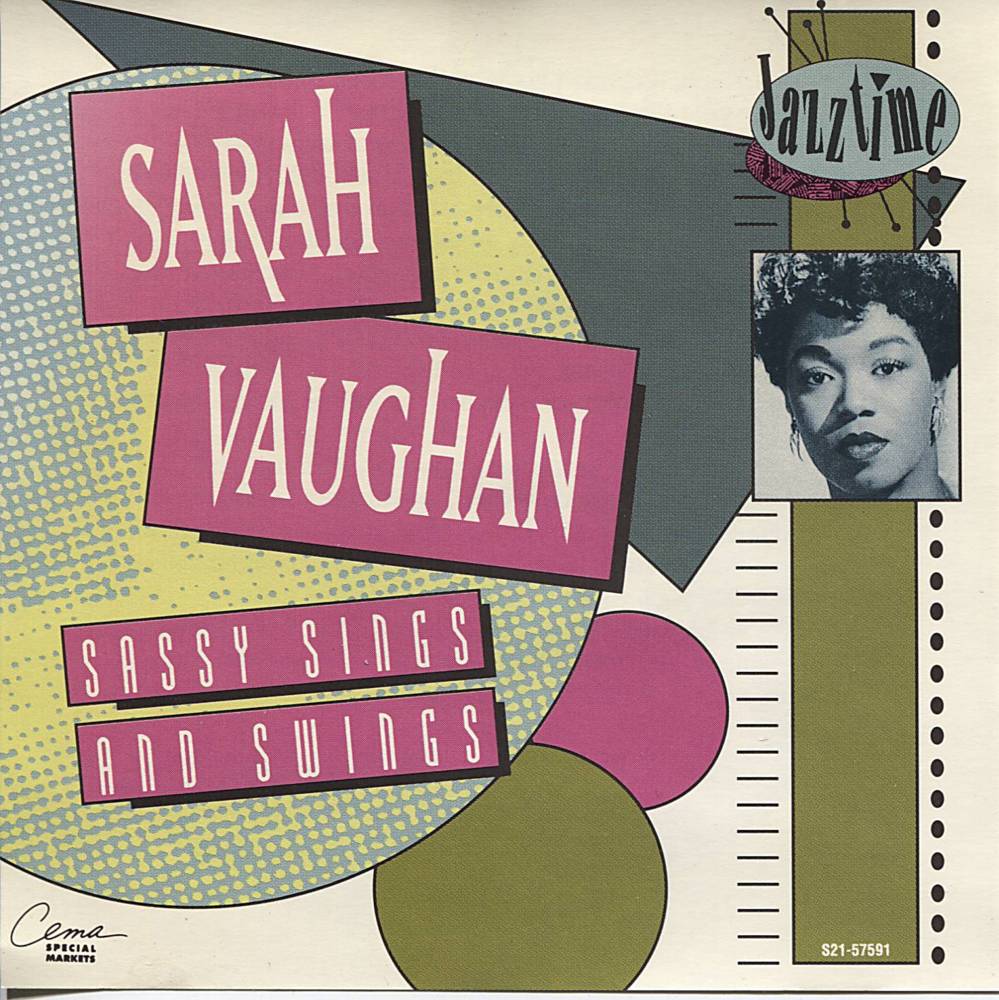
 View Artist