Song Meaning
The narrator is trapped in a cycle of despair, marked by a pervasive, audible sadness. From the "every mornin'" to "every evening," the act of "moanin'" is presented as an inescapable condition, a constant vocalization of their misery. This isn't just a fleeting bad mood; it's a deep-seated weariness, a feeling of having paid too high a price for life's struggles, as indicated by being "so tired of paying the dues."
The core tension lies in the stark contrast between the narrator's profound isolation and their desperate yearning for connection and solace. They spend "many a days and nights alone with my grief," a powerful image of solitary suffering. Yet, this loneliness fuels a fervent, almost ritualistic plea: "I pray, really and truly pray / Somebody will come and bring me relief." This highlights a fundamental human need for external validation and support, even when seemingly abandoned.
The lyrics masterfully employ repetition to underscore the relentless nature of the narrator's plight. The phrase "Everybody knows I'm moanin'" functions as a refrain that emphasizes both the public acknowledgment of their suffering and the narrator's own resignation to it. This shared knowledge, however, doesn't lead to intervention, only to a reinforcement of their perceived helplessness. The simple, direct language strips away any pretense, laying bare a raw, unvarnished expression of blues.
Ultimately, the effectiveness of these lyrics stems from their unadorned portrayal of persistent sorrow and the quiet desperation for an end to it. The cyclical structure, mirroring the daily grind of their pain, and the repeated plea for relief create a palpable sense of being stuck. It’s this unflinching depiction of enduring hardship, without resolution, that resonates as a profound statement on the weight of personal struggle.
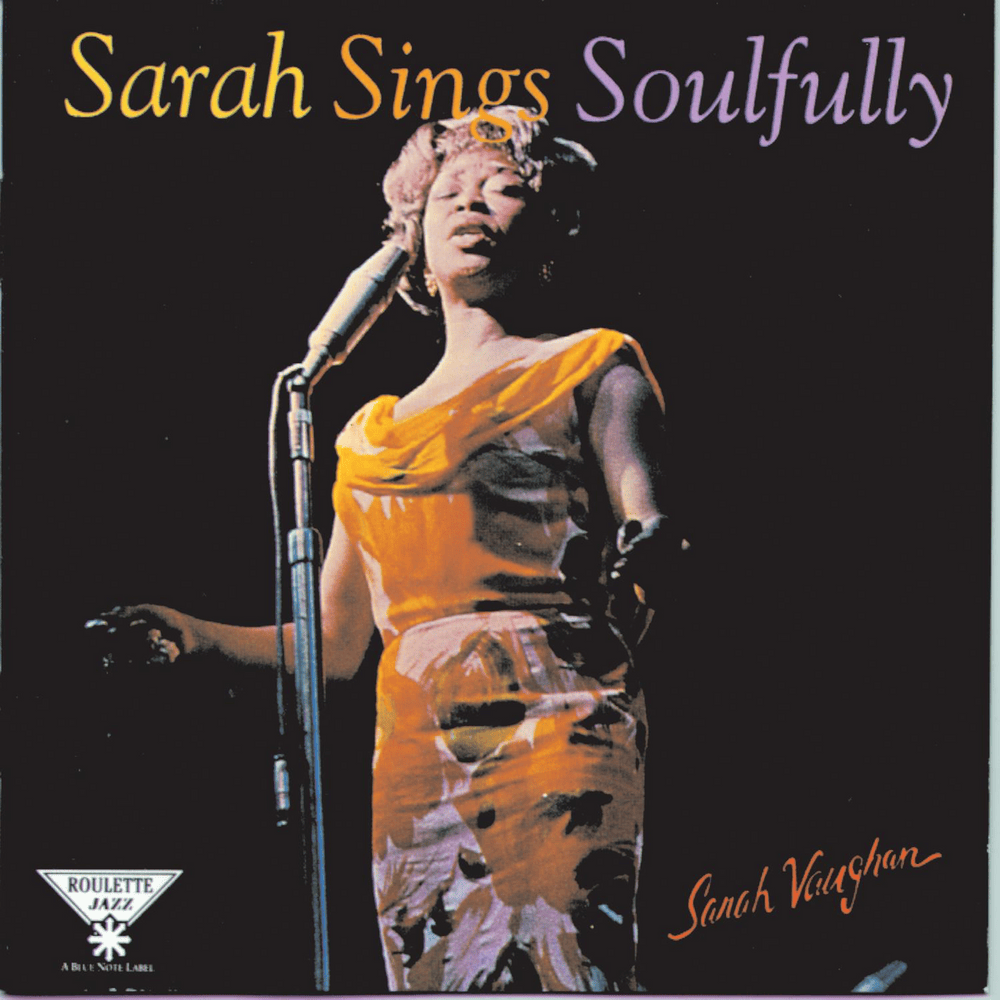
 View Artist