Song Meaning
The lyrics paint a stark contrast between a vibrant, magical childhood and a desolate, aged present. Initially, the world itself felt young and full of wonder, "as merry as a carousel" with "every star in the sky" above a beloved circus ring. This imagery evokes a sense of boundless joy and innocent enchantment, where even the cosmos seemed to participate in the fun. It’s a picture of a world brimming with possibility and light, seen through the eyes of a child who felt that world was as new as she was.
However, this idyllic past is brutally juxtaposed with the narrator's current reality, where "the young world has grown old" and the "tinsel and gold" have vanished. The circus tent is gone, replaced by a somber, introspective scene. The narrator is instructed to "Sit there and count your fingers," a simple, childlike action that now underscores a profound sense of helplessness and finality. The repetition of "count your little fingers" emphasizes a regression into a state of infantile helplessness, trapped in a present devoid of the magic that once defined her world.
The core of the song's emotional weight lies in this crushing transition from youthful exuberance to aged despair. The narrator is told, "Old girl, you're through," a blunt assessment that strips away any lingering hope. The only solace offered, or rather, the only constant acknowledged, is the "raindrops falling on you," a melancholic image that suggests a life now defined by sorrow and isolation. The repeated plea, "Why won't somebody send a tender / Blue boy / To cheer little girl blue?" highlights a desperate yearning for connection and relief, a wish for someone to break through the pervasive sadness that has settled upon her.
What makes these lyrics so effective is the stark, almost brutal, simplicity with which they convey a lifetime of disillusionment. The shift from cosmic wonder to counting raindrops is a powerful metaphor for the diminishment of one's world. The direct address, "little girl blue," serves as both an accusation and a lament, capturing the essence of a spirit that has been irrevocably dulled by time and circumstance. The repeated, almost chant-like, instructions to "Sit there and count" underscore a resignation to a fate that offers no escape, only the quiet acknowledgment of an ending.
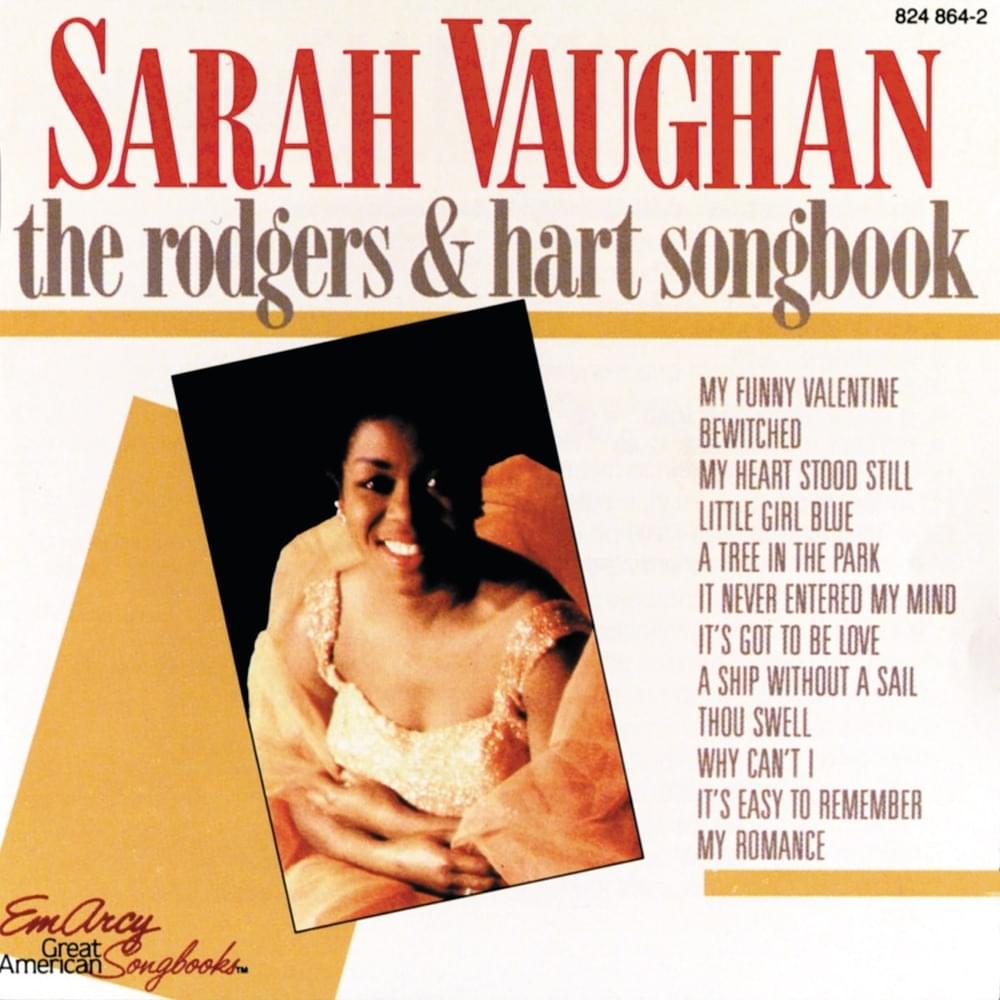
 View Artist