Song Meaning
The lyrics paint a picture of a twilight scene, where the "deep purple" signifies a transition into night and memory. It’s a moment of quiet reflection, tinged with a gentle melancholy as the narrator recalls a lost love. The "sleepy garden walls" and "twinkling stars" create a serene, almost ethereal backdrop for this remembrance. The dominant tone is one of wistful longing, a soft ache rather than sharp pain.
The central tension lies in the enduring presence of a departed lover within the narrator's mind. Though physically gone, their memory "wanders back" and their love "lives on." This creates a poignant contrast between the reality of absence and the vividness of the remembered connection. The narrator finds solace in this internal reunion, holding onto the past even as time moves forward.
The repeated phrase "deep purple dreams" is the core of the lyrical craft here. It’s not just a color; it’s a state of being, a liminal space between waking and sleeping, reality and memory. This "deep purple" is where the lover is kept alive, where they can "always meet." The imagery suggests a rich, immersive, and perhaps slightly melancholic internal world where love transcends physical separation.
This emotional resonance is achieved through the gentle, almost hypnotic repetition and the soft, evocative imagery. The lyrics don't force a dramatic confrontation with loss; instead, they offer a quiet, persistent embrace of memory. The effectiveness comes from this understated portrayal of enduring affection, suggesting that love’s power can indeed persist beyond the physical realm, existing vividly within the "deep purple" of one's dreams.
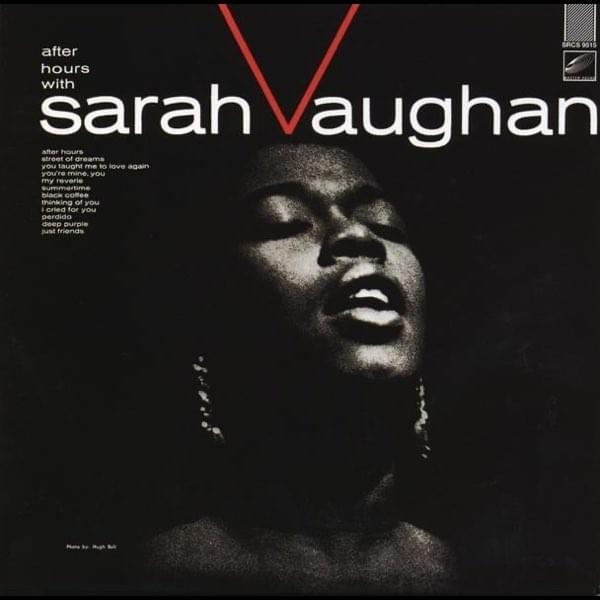
 View Artist