Song Meaning
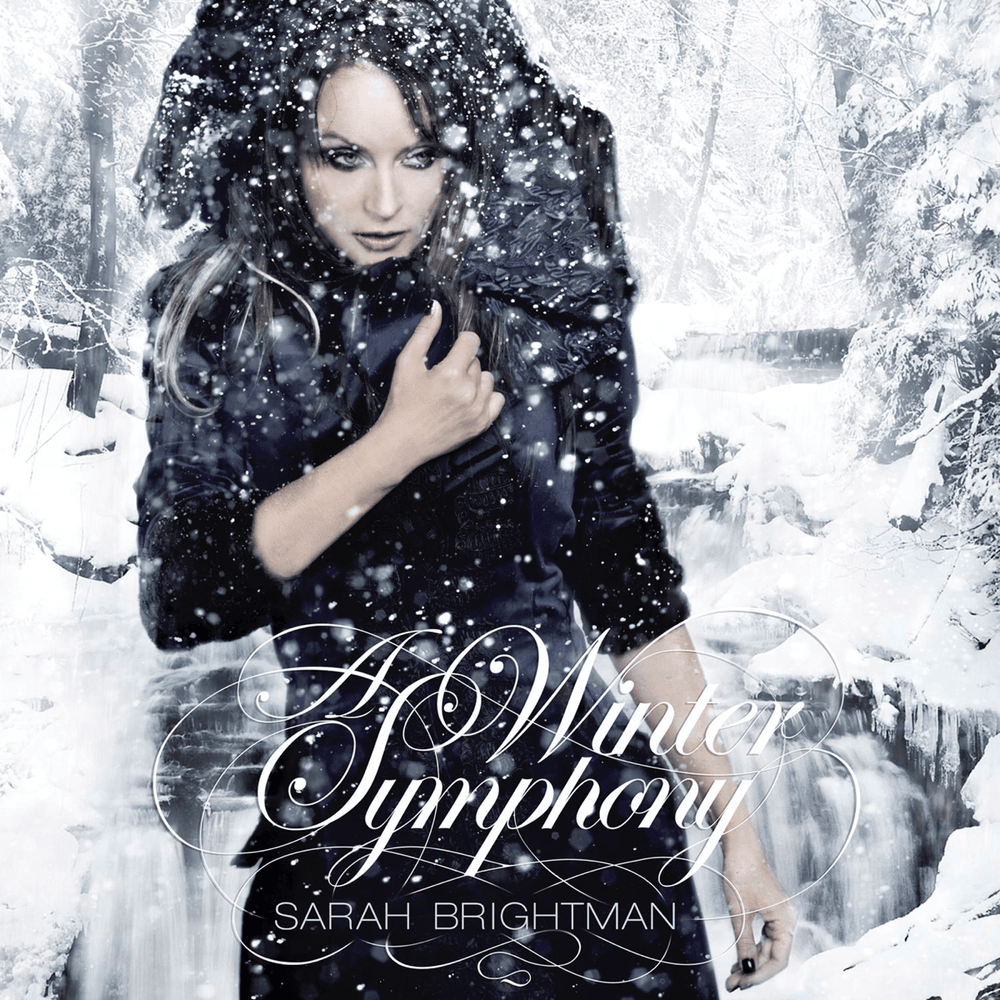
Sarah Brightman's rendition of "I Believe in Father Christmas" is a far cry from the saccharine holiday cheer we're force-fed each December. Instead, it's a beautifully melancholic meditation on lost innocence and the slow erosion of childhood faith. The opening lines immediately set the tone, contrasting the promised idyllic Christmas of "snow" and "peace on Earth" with the disappointing reality of rain and "a veil of tears." This sets up a central tension: the gap between expectation and experience, fantasy and reality. Brightman isn't just lamenting a lack of snow; she's mourning the loss of naive belief. The verse recalling a past Christmas morning is drenched in nostalgia, a potent reminder of the sensory richness of childhood wonder: "a winter's light," "a distant choir," "eyes full of tinsel and fire." This memory serves as a poignant counterpoint to the disillusionment that follows.
The core of the song meaning lies in the repeated lines about being "sold a dream of Christmas," a "Silent Night," and a "fairy story." This isn't merely about Santa Claus; it's about the broader cultural narrative of Christmas, the idealized version peddled to us from birth. The line "'Till I believed in the Israelite" is particularly striking, suggesting a deeper questioning of religious narratives alongside the secular Santa myth. The narrator's eventual disillusionment – "'Till I woke with a yawn in the first light of dawn / And I saw hI´m and through his disguise" – marks a painful but necessary step toward maturity. It's the moment when the comforting fictions of childhood crumble, revealing a more complex and often disappointing world.
Yet, "I Believe in Father Christmas" isn't entirely cynical. The lyrics, "I wish you a hopeful Christmas / I wish you a brave New Year," suggest a lingering ember of optimism. Even after acknowledging the falseness of the "dream," there's a desire for something better, a wish for others to find hope and courage in the face of disillusionment. The closing lines, "Hallelujah Noel, be it Heaven or Hell / The Christmas you get you deserve," are ambiguous. On one hand, they could be interpreted as a fatalistic acceptance of whatever Christmas brings. On the other hand, they could imply a call to action – a recognition that we have the power to shape our own Christmas experiences, to create our own meaning even in the absence of childhood magic. Brightman delivers a complex and thought-provoking meditation on faith, disillusionment, and the enduring power of hope, all wrapped in a hauntingly beautiful melody.
 View Artist