Song Meaning
Sarah Brightman's rendition of "He Moved Through the Fair" strips bare the emotional core of a traditional folk song, leaving listeners suspended in a state of anticipatory grief. The deceptively simple lyrics, revolving around a young lover's promise of marriage, are freighted with a sense of impending loss, a premonition that undermines the surface-level joy. The repetition of "It will not be long now, till our wedding day" acts less as a celebration and more as a fragile shield against an unspoken fear. It's the kind of hope that clings desperately to the present, knowing the future holds something irrevocably different. The song meaning, therefore, isn't about the wedding itself, but the tense space between promise and fulfillment.
Brightman's ethereal vocals only amplify the song's psychological depth. The lack of instrumental complexity draws the listener inward, forcing a confrontation with the narrator's vulnerability. The listener becomes complicit in her anxiety. We know, instinctively, that something is amiss. This isn't a straightforward love song; it's a portrait of quiet desperation masked as optimism. It explores the universal human tendency to project desires onto an uncertain future, a coping mechanism against the unknown.
Ultimately, "He Moved Through the Fair" is a study in emotional ambiguity. Is it a celebration of love, a lament for what's lost, or a chilling premonition of tragedy? The beauty of Brightman's interpretation lies in its refusal to offer easy answers. It's a sophisticated exploration of the human condition, reminding us that even in moments of apparent joy, the shadow of sorrow often lurks just beneath the surface. The lasting impact comes not from the words themselves, but from the vast, unarticulated spaces between them, where the true song meaning resides.
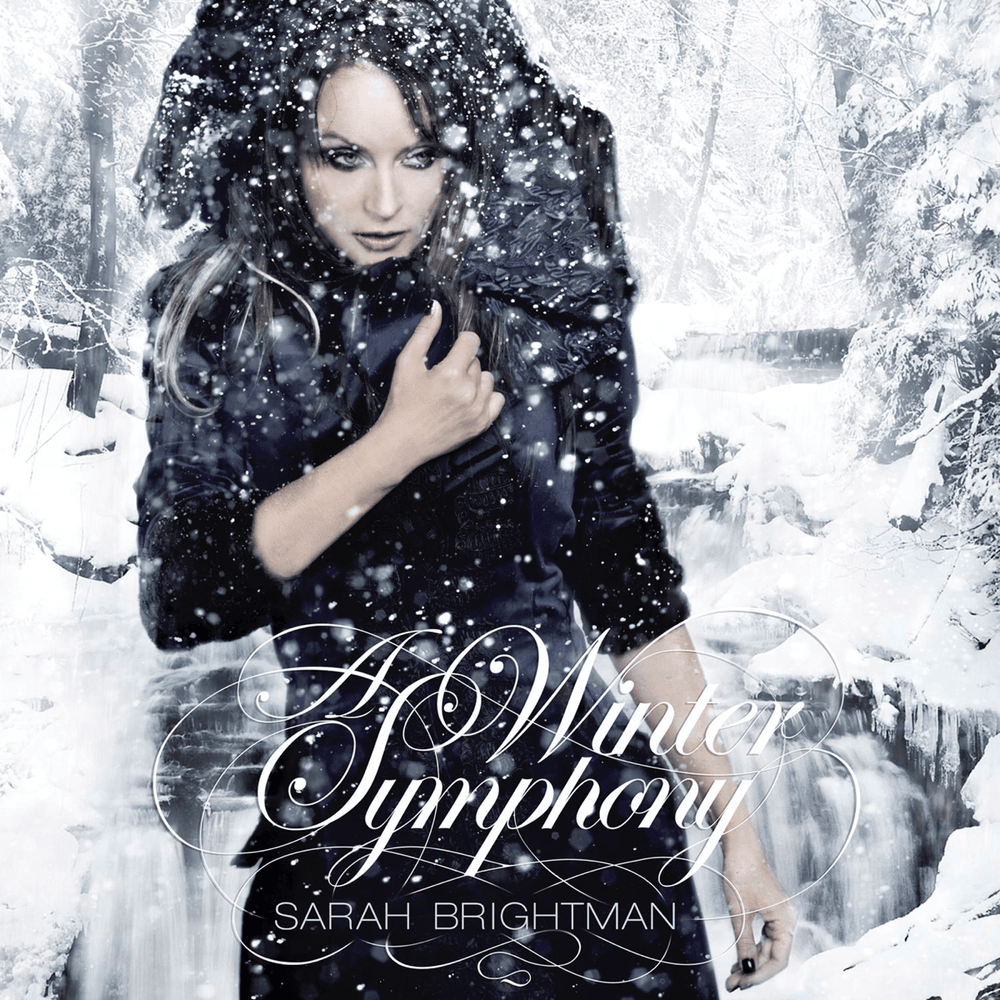
 View Artist