Song Meaning
The narrator reflects on a missed opportunity, lamenting a lack of fertile ground for their own potential. The opening lines frame a season of delayed realization, suggesting that even inherent honesty is rendered useless without a place to grow. This sense of being landless, of having no garden, creates an immediate feeling of stagnation and passive waiting for something to materialize.
The core tension lies in the contrast between potential and paralysis. The narrator acknowledges possessing "seeds of honesty" but feels incapable of cultivating them, questioning "how come I have no land?" This is amplified by the regret over not joining "the wanderers" in the east, a path they believe they should have taken but couldn't navigate. The repeated phrase "I couldn't say" or "couldn't find the way" underscores a profound sense of helplessness and indecision.
The introduction of "wretched Wilbur" offers a striking counterpoint. Wilbur is actively engaged, "ploughing up the land" and fighting "thoughtfully" with "roses in his hands." This image suggests a determined, perhaps even romantic, struggle. However, the narrator questions the purpose of this fight, noting that "the autumn, it has blown away / And the winter, it is long," implying that Wilbur's efforts might be futile or too late given the harsh season ahead, mirroring the narrator's own stalled state.
Ultimately, the lyrics resonate through this depiction of internal conflict and external observation. The narrator's passive regret and inability to act, juxtaposed with Wilbur's active but potentially misguided efforts, creates a poignant portrait of missed chances and the struggle to find purpose. The shift from summer's potential to winter's harsh reality emphasizes the weight of inaction and the fading hope for growth.
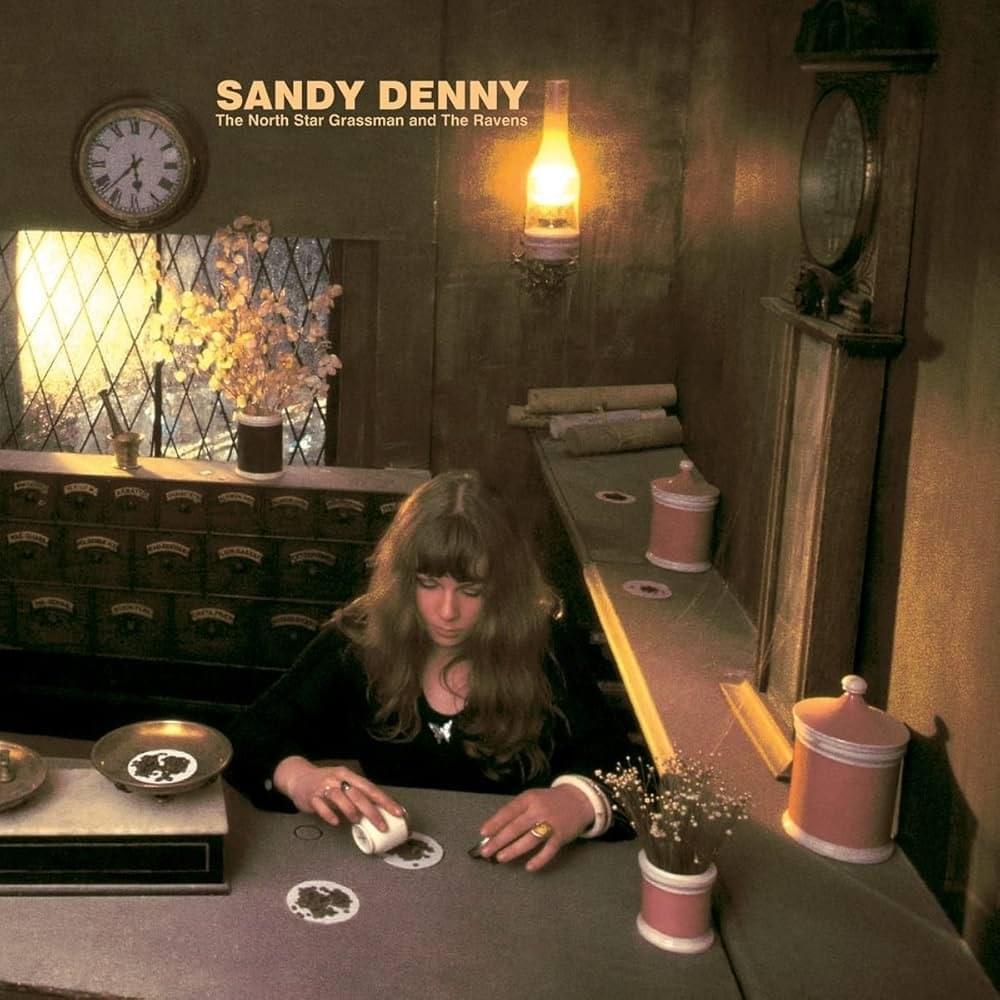
 View Artist