Song Meaning
The lyrics paint a picture of a stalled, perhaps abandoned, life, marked by unanswered questions and a sense of decay. The opening verse introduces a delayed "question" met with a "long" answer, hinting at a significant, drawn-out event or realization. The imagery of a "house built by some man in a rhyme" and the fate of his "talented son" suggests a legacy or potential that has gone unfulfilled, setting a tone of wistful regret.
This feeling of isolation and a past relationship is amplified in the second verse. The narrator recalls being told of "being alone," contrasted with stories of "God and you," implying a singular, perhaps idealized, connection that has since faded. The question about living in "Buffalo" grounds the memory in a specific, yet distant, place, further emphasizing the sense of separation.
The third verse shifts to a more abstract, yet equally bleak, depiction of societal or personal breakdown. A "wall" is erected with "no more to say," and a natural disaster – "stream too far," "rain too high" – leads to the "river did run" into the "city." This suggests an overwhelming force, perhaps emotional or environmental, that has disrupted order and led to an uncontrolled flow, potentially into a place of further decay.
The consequences of this disruption are laid bare in the fourth verse. An "architect" is blamed as "buildings fell down," "smothered or drowned all the seeds which were sown." This powerful imagery of destruction points to a failure of planning or creation, leading to the annihilation of future potential. The narrator's desire to be "somewhere, but not in this town," and the hopeful, yet resigned, wish for "the ocean next time around," encapsulates a deep longing for escape and a fresh start, acknowledging the current place is beyond repair.
The final verses reflect on memory and a fading presence. The narrator "seem[s] to remember the face and the name," but the indifference to whether it's the right person suggests a profound detachment or a resignation to loss. The mention of "changes, but nothing would change you" speaks to a fundamental, perhaps unalterable, nature of the person or situation being recalled. The final image of "dusky black windows," "candles all gnarled," and "all without flames for many's the year" is a stark, chilling metaphor for a life or relationship that has long since extinguished its vitality, leaving only a hollow, dark shell.
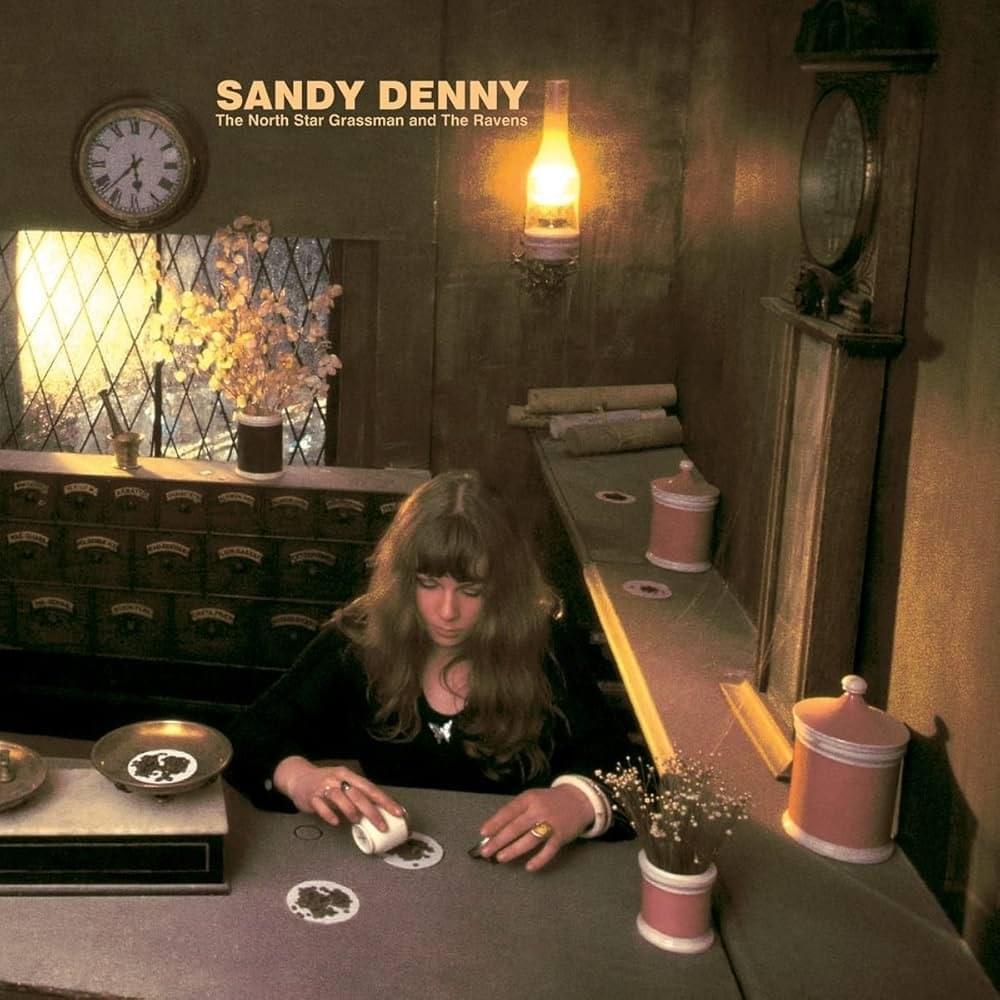
 View Artist