Song Meaning
Sandra St. Victor's "WTF Opus Pt II" isn't just a song; it's a psychic scream. It's a howl of frustration aimed squarely at the cyclical nature of history and the apparent inability of humanity to learn from its mistakes. The repeated line, "Circling a porcelain bowl like, what the fuck have we learned?" evokes a visceral image of nausea and disillusionment. It suggests a society caught in a self-destructive loop, forever revisiting the same errors, the same conflicts, the same moral failings. The "porcelain bowl" becomes a symbol of our collective sickness, a shared purging of the soul that never quite leads to lasting catharsis. The lyrics paint a picture of a world where progress is an illusion, where the "higher bar" of societal expectations is constantly undermined by the resurgence of old prejudices and destructive behaviors. The mention of "Saturn returns" adds another layer to this interpretation, hinting at a period of upheaval and reckoning, a time when the consequences of past actions come to bear. It's a cosmic reset button, forcing us to confront the patterns we've failed to break.
The song's brilliance lies in its ability to juxtapose the mundane with the profound. Lines like "Shake a feather step it up / Got cha over runneth cup" create a sense of urgency and defiance, a call to action in the face of overwhelming despair. The seemingly nonsensical phrases like "Loop tiddy loop blindfolded the world tacitly turns" capture the chaotic and absurd nature of modern life, where we are often forced to navigate a world that seems to be spinning out of control. The references to "culture war" and "hail to the mighty dollar" further highlight the societal forces that perpetuate this cycle of ignorance and destruction. St. Victor isn't offering easy answers or platitudes. Instead, she's holding up a mirror to our collective consciousness, forcing us to confront the uncomfortable truth that we may be our own worst enemies.
Ultimately, the song meaning of "WTF Opus Pt II" resides in its raw honesty and its refusal to sugarcoat the harsh realities of the world. It's a lament for a lost potential, a recognition that we are capable of so much more than the repetitive cycles of violence, greed, and ignorance that define so much of human history. The repeated question, "What can you do?" isn't just a rhetorical device; it's a challenge, an invitation to break free from the porcelain bowl and find a new path forward. It's a stark reminder that the responsibility for change lies with each of us, and that the future of humanity depends on our willingness to learn from the past and create a better world.
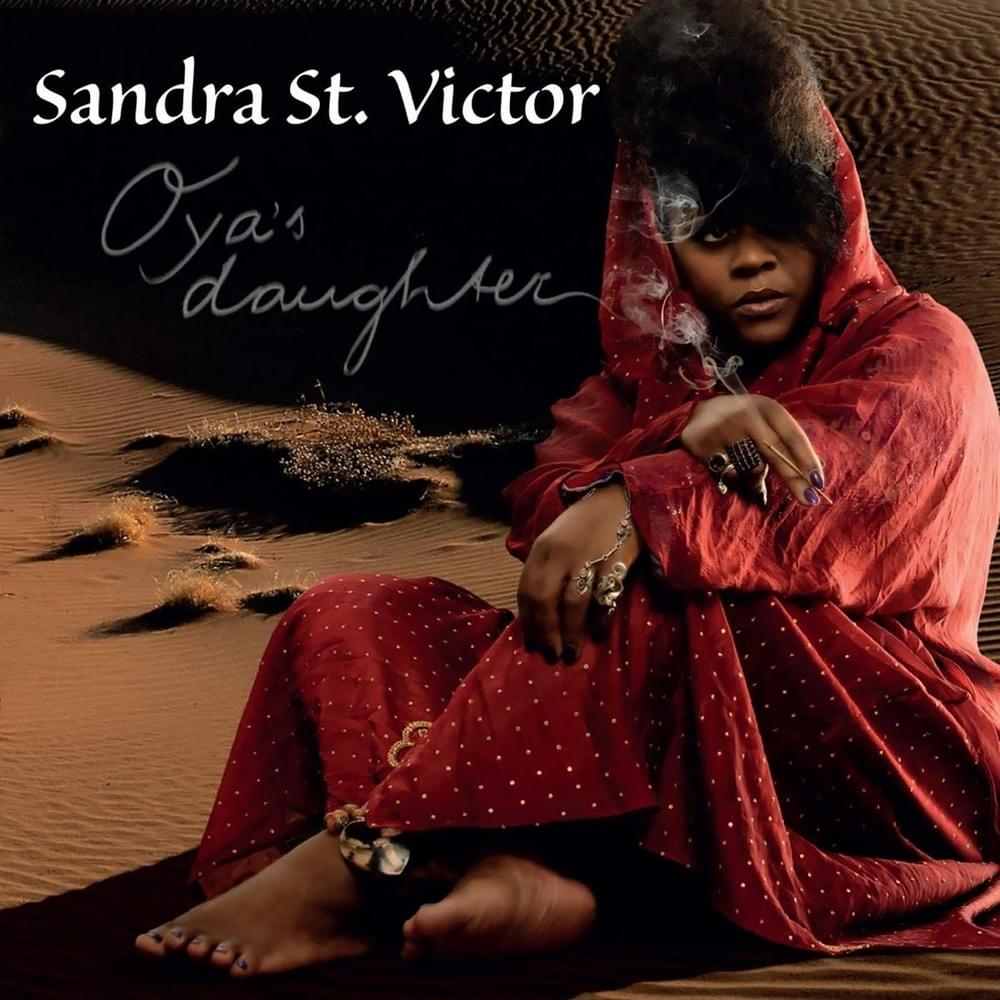
 View Artist