Song Meaning
Ryan Bingham's "Wishing Well" isn't just another country lament; it's a starkly honest exploration of self-destruction and the search for redemption. The opening lines, "I've been wasting my time, I don't need no more rain / I've been gone for so long I think the devil lost my name," immediately plunge us into the depths of the singer's despair. He's been lost, adrift for so long that even the forces of darkness have forgotten him. This isn't a boast; it's a confession of profound isolation. The "heartache highway" and the "big wheel burning up the rubber" paint a picture of relentless, perhaps reckless, movement, a desperate attempt to outrun his demons. Yet, amidst this chaos, there's a glimmer of hope found in "lovin' from you honey," suggesting that human connection might be the only thing anchoring him to reality. That loving, devoted relationship seems to be the only thing preventing a total collapse.
The chorus reveals the song's central metaphor: the "wishing well." When he goes "astray" and loses his way, he returns to this symbolic space. Is it a place of genuine hope or a desperate act of magical thinking? The ambiguity is key. The wishing well could represent a yearning for a better self, a plea for guidance when he's at his lowest. Or it could be a reliance on something external, a passive hope that avoids the hard work of true change. The repetition of "I've been gone for so long I think the devil lost my name" underscores the depth of his alienation, a feeling of being beyond saving, yet still clinging to a thread of hope.
Bingham doesn't shy away from the darker aspects of this struggle. The line "Blood drips from my knuckles cause it helps ease the pain" is a raw, visceral image of self-inflicted suffering. It suggests a cycle of pain and release, a destructive coping mechanism. The "gut less six string" – a guitar without strings – easing his mind, speaks to music as a broken, incomplete solace. The crossroads imagery, begging for change, further reinforces the idea of a man at a turning point, caught between self-destruction and the possibility of redemption. "Wishing Well," ultimately, is a complex portrait of a soul wrestling with its demons, searching for a way out of the darkness, even if the path forward remains uncertain.
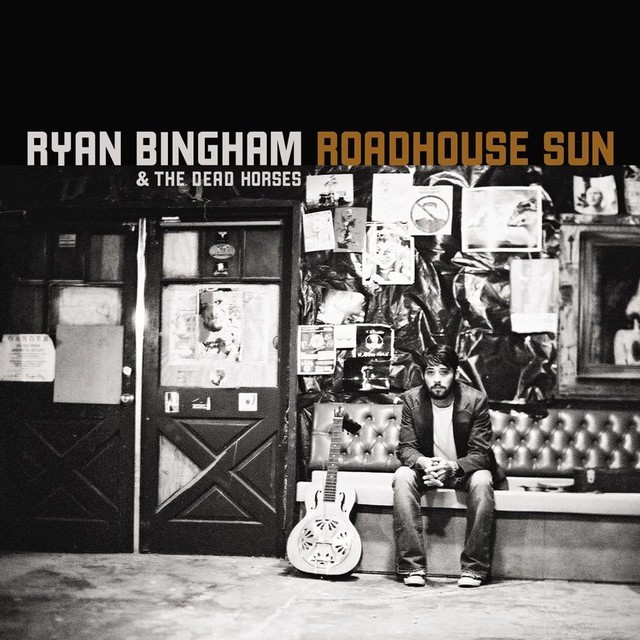
 View Artist