Song Meaning
Ryan Bingham's "Sunrise" is a raw, poetic snapshot of a life lived on the margins, where hope and hedonism intertwine. The song meaning isn't a grand pronouncement, but a series of vivid vignettes capturing the cyclical nature of struggle and fleeting pleasure. The opening lines immediately plunge us into a familiar scene: hocking a guitar, a pawn shop "jail," the ever-present gamble. This sets the stage for a life where stability is a mirage, and the next gig, the next taste of "red beans and rice," is the only tangible goal. It's a gritty realism, devoid of romanticism, yet underscored by an unyielding tenacity. He's "taking my chances/taking my sins," acknowledging the weight of his choices without succumbing to despair. There's a sense of inevitability, as he throws his sins "down the hill" knowing they'll inevitably "come around again." This isn't regret, but weary acceptance.
The recurring chorus, with its imagery of dancing girls and sweet kisses under the "sunrise" and "moonlight," provides a crucial counterpoint to the hardship. These moments of sensory indulgence offer a temporary escape, a fleeting connection in a world that often feels isolating. The "sunrise" represents new beginnings, or at least the illusion of them, while the "moonlight" suggests a darker, more secretive side of life, where pleasure and danger dance together. It's not just about sex; it's about finding solace, however temporary, in the face of adversity. The repetition reinforces the idea that these moments, however brief, are essential for survival. They're the sugar that makes the bitter pill of existence a little easier to swallow.
The more cryptic verses, like "livin' in the desert with a one-eyed dog" and "you can lead a blind man out of Vietnam," add layers of symbolic depth. These lines suggest a world of brokenness and resilience, where even the most damaged can find their way. The "desert" could represent spiritual aridity, while the "one-eyed dog" symbolizes a loyal companion who has also seen better days. The reference to Vietnam is particularly poignant, evoking themes of trauma, displacement, and the enduring scars of war. Ultimately, "Sunrise," is a portrait of resilience, painted with the stark colors of hardship and the shimmering hues of fleeting joy. Bingham doesn't offer easy answers, but instead invites us to share in the complex, contradictory experience of a life lived on the edge.
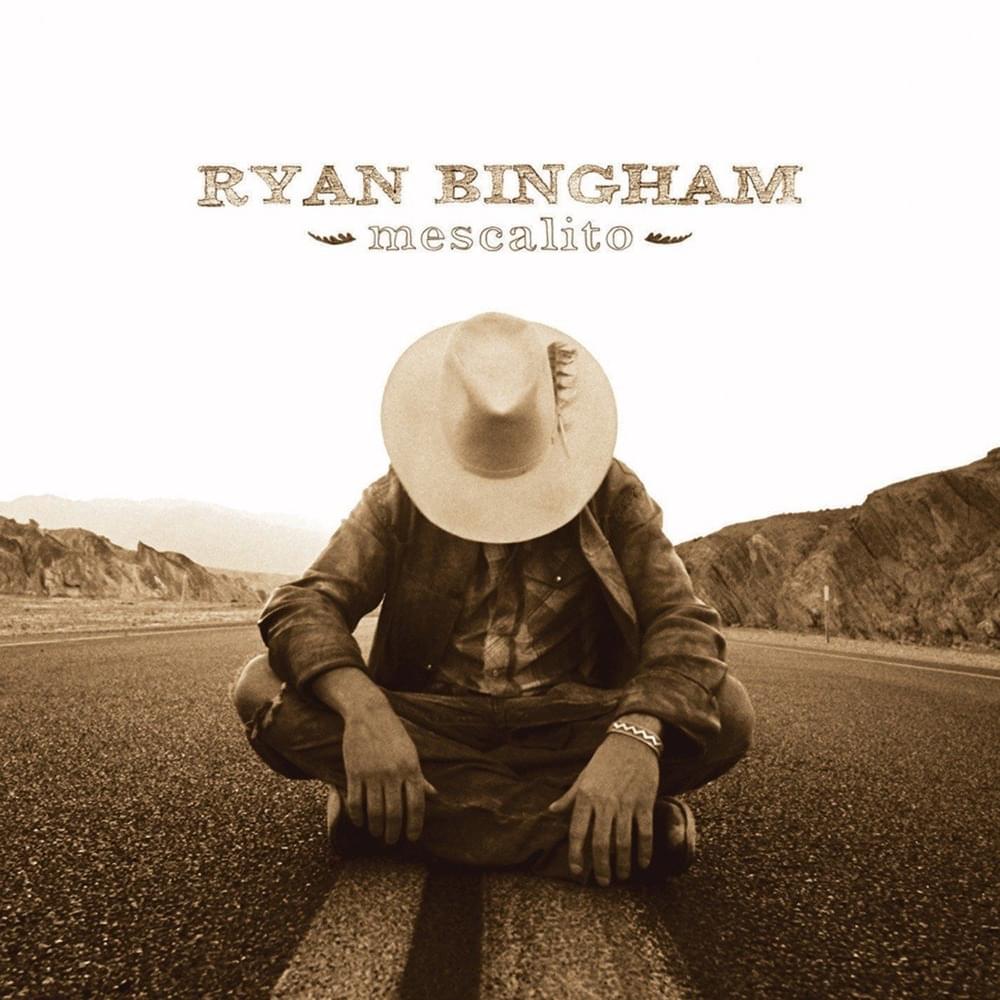
 View Artist