Song Meaning
Ryan Bingham's "The Wandering" isn't just a song; it's a sonic prescription for the soul-weary. It arrives like a dusty traveler offering wisdom gleaned from the road, a reminder that sometimes the only way out is through. The track's core message revolves around finding solace and clarity amidst life's inevitable chaos and disillusionment. Bingham urges listeners to embrace the unknown, to 'step into the unknown / Where your path rewinds,' suggesting that true understanding often comes from revisiting and re-evaluating our past experiences. The concept of 'wandering' itself transforms from a state of aimlessness to a deliberate act of self-discovery. It's an active pursuit of inner peace, a journey fueled by the courage to confront uncomfortable truths.
The song meaning further deepens with its cautionary notes about external influences. Bingham warns against 'vendors' and the allure of bought dreams, emphasizing the importance of staying true to one's values ('As long as you don't sell / What you've been fighting for'). This speaks to the modern human condition, where authenticity is constantly challenged by societal pressures and the commodification of personal aspirations. The lyrics also touch upon the deceptive nature of appearances ('With every box of poison / There's a ribbon tied'), highlighting the need for discernment and critical self-reflection. It's not enough to simply accept things at face value; we must be willing to 'take a look inside' and question the narratives we're presented with.
Ultimately, "The Wandering" is a call for self-reliance and inner exploration. It acknowledges the presence of 'madness' and 'anger' within us, but offers the 'wandering' as a path towards healing and understanding. The repeated emphasis on finding 'peace of mind' suggests that this is not a passive state but an active process of self-discovery. The song's true power lies in its ability to transform the act of wandering from a sign of lostness into a purposeful journey toward inner peace. It's a reminder that sometimes, the most direct route to finding yourself is to get wonderfully, beautifully lost.
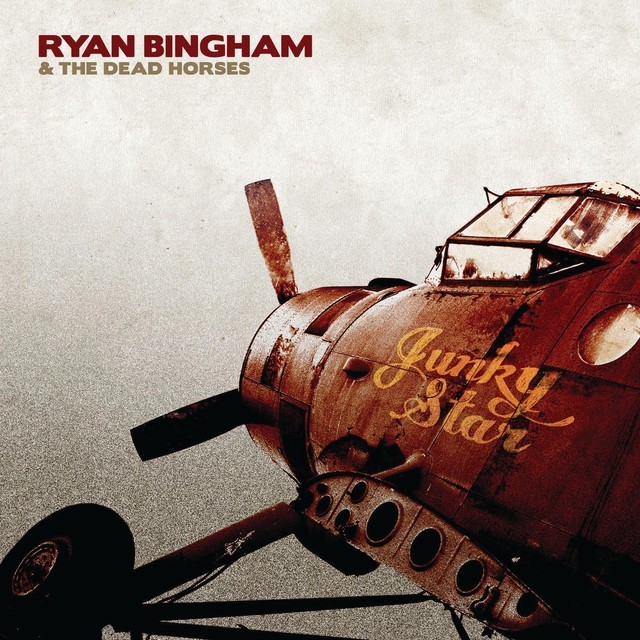
 View Artist