Song Meaning
Ryan Bingham's "Hands of Time" isn't just a country lament; it's a visceral sprint against existential dread. The track pulses with a restless energy, a desperate need to outpace the inevitable. Bingham isn't singing about aging gracefully; he's railing against the confines of mortality itself. The recurring line, "Running out of time, I got to move on," acts as a primal scream, a mantra against stagnation and the encroaching darkness. It's a sentiment that resonates deeply in a culture obsessed with productivity and perpetually haunted by the fear of irrelevance. The lyrics suggest a struggle with predetermination, a desire to escape a pre-ordained path, symbolized by "the madness of the maker's son."
The chorus, with its simple yet insistent repetition of "The hands of time," becomes an almost hypnotic focal point. Time isn't a gentle river here; it's a relentless pursuer. There's a defiance in the lines "I just can't wait around to hear the fat lady sing" and "I just can't live so I can die on memory lane." Bingham rejects the passive acceptance of fate, choosing instead to fight against the constraints of a life lived solely in anticipation of its end or in nostalgic reflection. He is making a statement about living in the present.
The plea to "take me to a straightaway and I'll outrun / The hands of time" is particularly telling. The straightaway represents a path of direct action, a refusal to be sidetracked by the detours and distractions that life throws our way. It's a bold declaration of self-determination, a willingness to confront mortality head-on, even if the battle is ultimately unwinnable. The song, in its raw simplicity, taps into a universal anxiety: the fear of time slipping away, of opportunities missed, and of a life unlived. Bingham's raspy vocals only serve to enhance the feeling of urgency and desperation that permeates the track, creating a powerful and emotionally resonant listening experience.
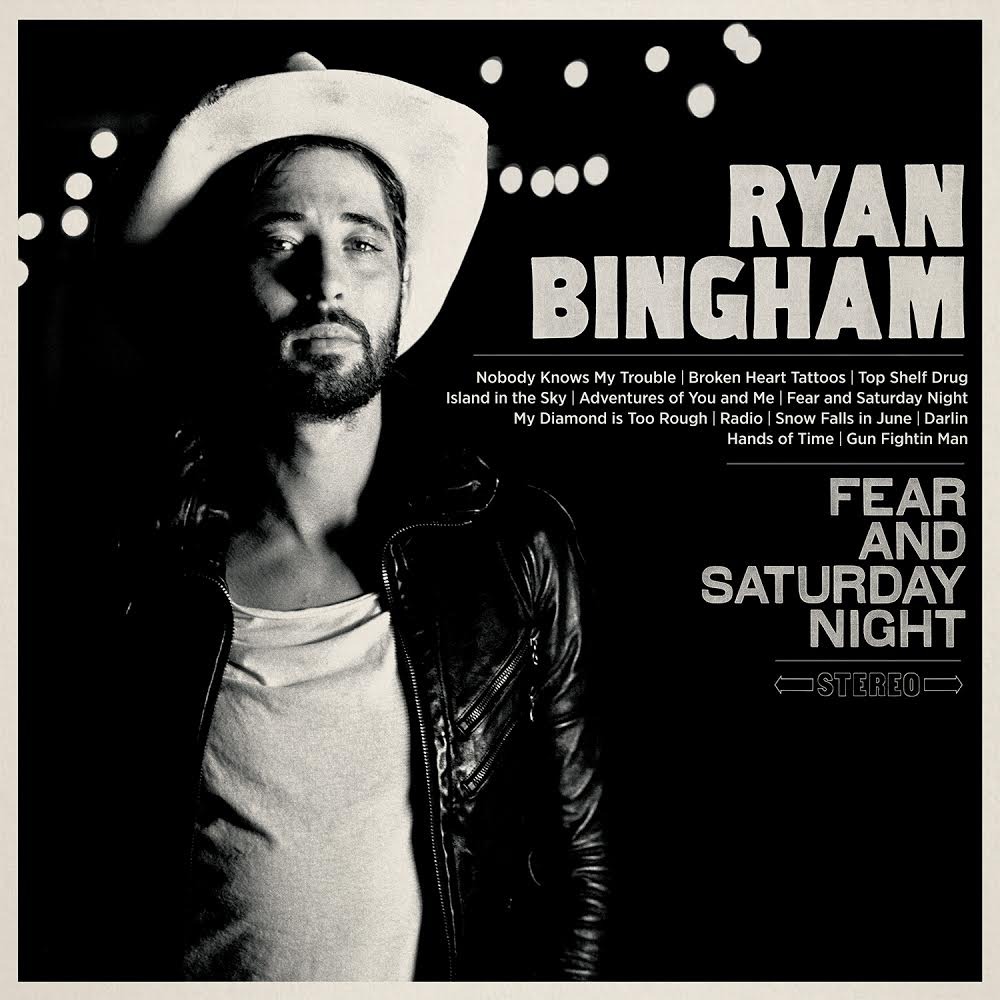
 View Artist