Song Meaning
The lyrics paint a stark contrast between the mundane and the terrifying, all within a single, jarring moment. We open on a drowsy carrier, its slow movement mirrored by the horses' tramp and the gentle play of a rabbit in the dim light. This scene of quiet, almost pastoral, existence is abruptly shattered by a violent intrusion. A roaring, howling, yelling vehicle blinds the carrier driver, its stench described with apocalyptic force, like a blast from Hell. This immediate sensory overload and danger completely upend the initial tranquility.
The core tension lies in the dual perception of the same event. The carrier driver, directly assaulted by this mechanical beast, reacts with anger and curses, focusing on the damage to his 'swingle-bar.' His world is one of immediate, physical disruption. Yet, a 'mother watching afar' experiences this same intrusion through a different lens. The 'doctor's car,' though potentially frightening, is heard by her as a hopeful sound, 'like the beat of an angel's wing.' This highlights a profound disconnect in how external events are processed based on individual context and emotional state.
The most striking craft element is the final stanza's philosophical pivot. The narrator explicitly states that both the 'motor' and the 'carrier's van' are neither good nor evil in themselves. They are presented as neutral forces, 'Ormuzd not Ahriman,' referencing Zoroastrian dualism where Ormuzd is the benevolent creator and Ahriman the destructive spirit. This elevates the preceding conflict from a simple accident to a commentary on subjective interpretation, suggesting that the inherent nature of things is less important than how they are perceived by the observer.
This lyrical construction is effective because it grounds abstract philosophical ideas in concrete, visceral imagery. The shift from the 'drowsy carrier' to the 'blast from Hell' and then to the 'angel's wing' creates a powerful emotional arc. The lyrics demonstrate how the same stimulus can evoke terror or hope, revealing that meaning is not inherent but constructed, a conclusion powerfully underscored by the final, sweeping generalization about the nature of reality.
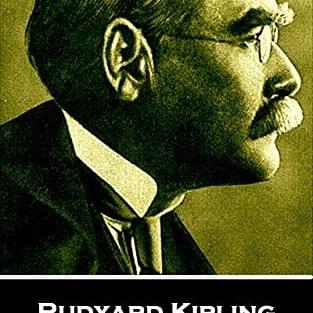
 View Artist