Song Meaning
This poem paints a vivid picture of a reckless drive down the Appian Way, with the narrator urging caution against the allure of speed. The car itself is personified as a powerful, almost violent force, "lightnings and thunders arm and scourge." The speaker directly addresses Dellius, advising him to resist the temptation to "fly" and instead "sit and strongly occupy / The lower gear." This initial scene sets up a clear contrast between impulsive haste and deliberate slowness.
The central tension arises from the conflicting desires for speed and safety, amplified by the external pressures of others. Figures like Lydia and Telephus seem to represent the voices urging haste, while the road itself "consenting" to the rush. The narrator acknowledges his own past participation in this race for speed, admitting, "I too have raced!" This shared experience highlights the seductive nature of recklessness, making the subsequent warning even more potent.
The poem’s most striking craft element is its stark juxtaposition of life and death, particularly in the chilling stanza about the "ox not doomed to die alone" and the "inauspicious hound." These grim images lead directly to the "throne / Of Hades' King," emphasizing the fatal consequences of unchecked speed. The Furies, agents of retribution, are invoked to underscore the unpredictable and sudden nature of fate, suggesting that warnings are rarely given before disaster strikes.
Ultimately, the effectiveness of these lyrics lies in their potent blend of vivid imagery and stark moralizing. The poem doesn't just warn against speeding; it uses visceral, almost mythic language to convey the profound danger. The final lines, "'Tis best to reach our chosen end / Late but alive," offer a simple yet powerful resolution, grounding the abstract fear of death in the tangible desire for survival and a life lived deliberately, not rushed.
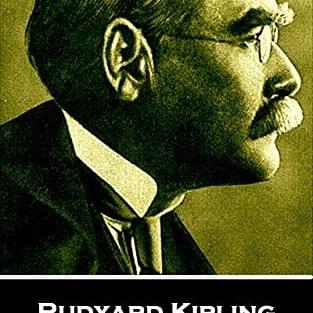
 View Artist