Song Meaning
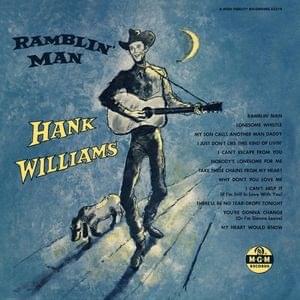
Hank Williams's "My Son Calls Another Man Daddy" isn't just a country lament; it's a raw, psychologically complex portrait of loss, regret, and the agonizing consequences of one's actions. The surface narrative is simple: a man, fresh out of prison, confronts the reality that his son now identifies another man as his father. But beneath the steel guitar twang lies a profound exploration of fractured identity and the enduring pain of parental alienation. The repeated chorus, "My son calls another man daddy," acts as a relentless hammer blow, driving home the protagonist's utter powerlessness. It's not just about losing a child; it's about being erased from his life, rendered a ghost in his own family's story. The lyrics poignantly highlight the psychological torment of knowing your own flesh and blood will never know you, a particularly brutal form of paternal rejection. Williams masterfully uses simple language to convey immense emotional weight.
The song's true depth emerges in the verses. The second verse, where the narrator recalls envisioning a brighter future for his son while imprisoned, is particularly heartbreaking. The child was "the one ray of sunshine" during his darkest hours, a beacon of hope that has now been extinguished. This highlights the psychological crutch the child represented, and the devastating impact of its loss. The line also underscores the cruel irony of his situation: the very person he clung to for hope is now irrevocably distanced. The third verse offers a glimpse into the mother's perspective, though filtered through the father's pain. Her inability to "stand my disgrace" suggests a societal judgment that further isolates the protagonist, compounding his feelings of shame and inadequacy. It subtly hints at the societal pressures that contribute to such family breakdowns, adding another layer of complexity to the song's meaning.
Ultimately, "My Son Calls Another Man Daddy" transcends the typical country music tropes of heartbreak and hardship. It’s a stark and unflinching examination of the long-term psychological damage inflicted by broken families and the enduring power of paternal longing. Hank Williams doesn't offer easy answers or sentimental resolutions. Instead, he leaves us with a lingering sense of profound sadness and a chilling understanding of the far-reaching consequences of choices made and opportunities lost. The song's enduring power lies in its unflinching portrayal of a very specific, yet universally resonant, form of human suffering.
 View Artist