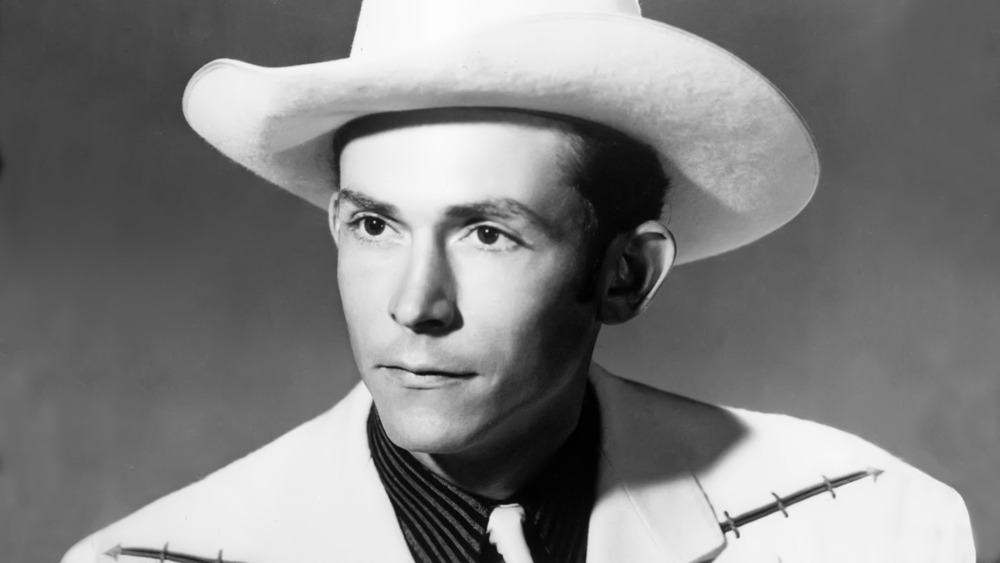
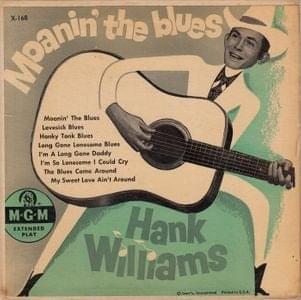
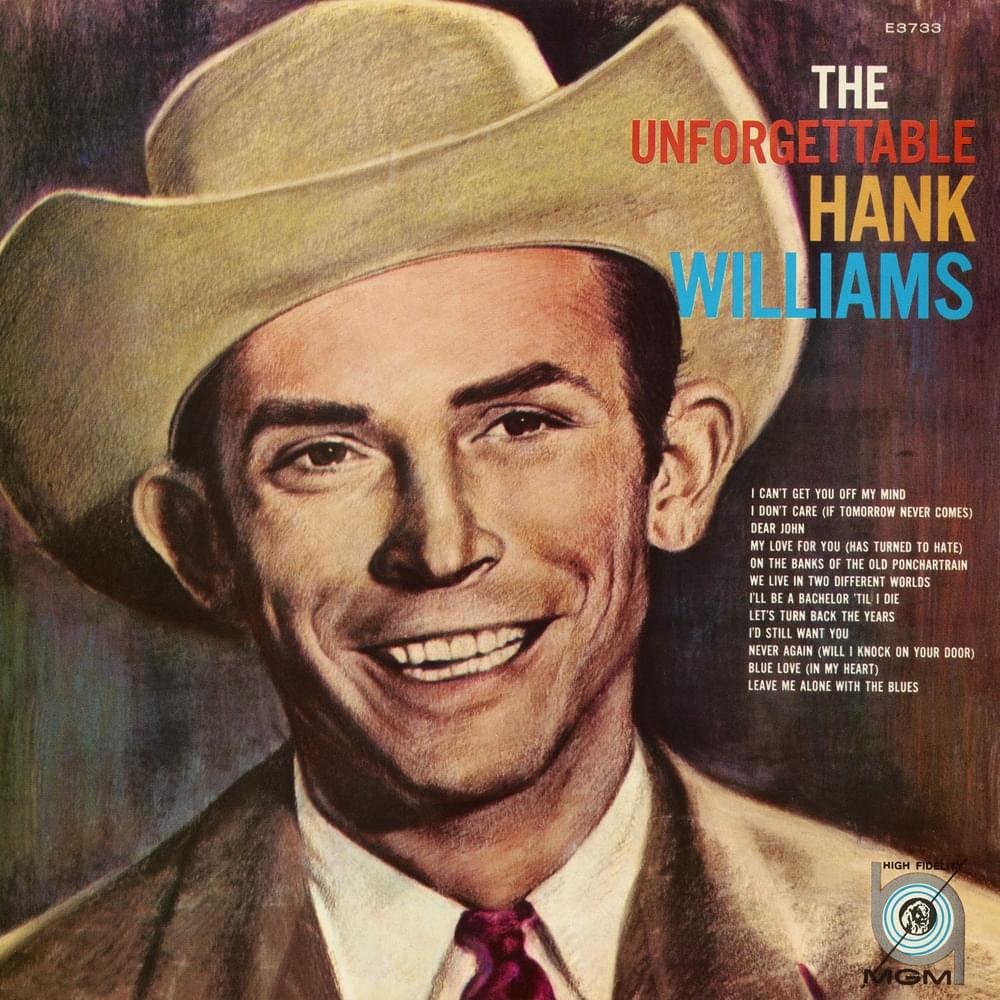
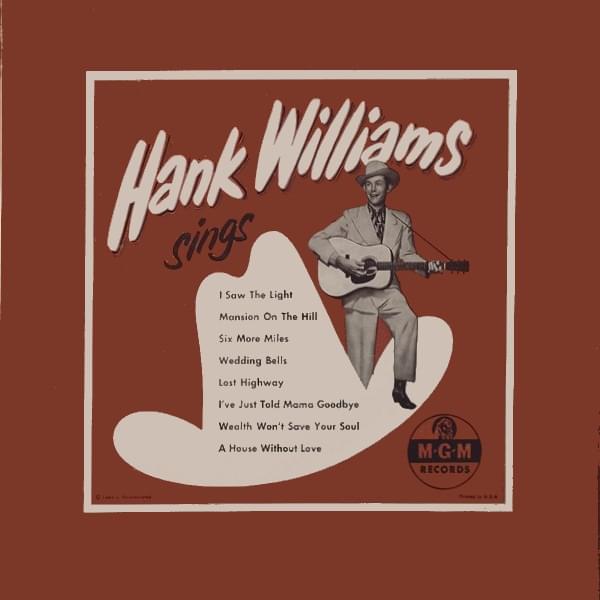
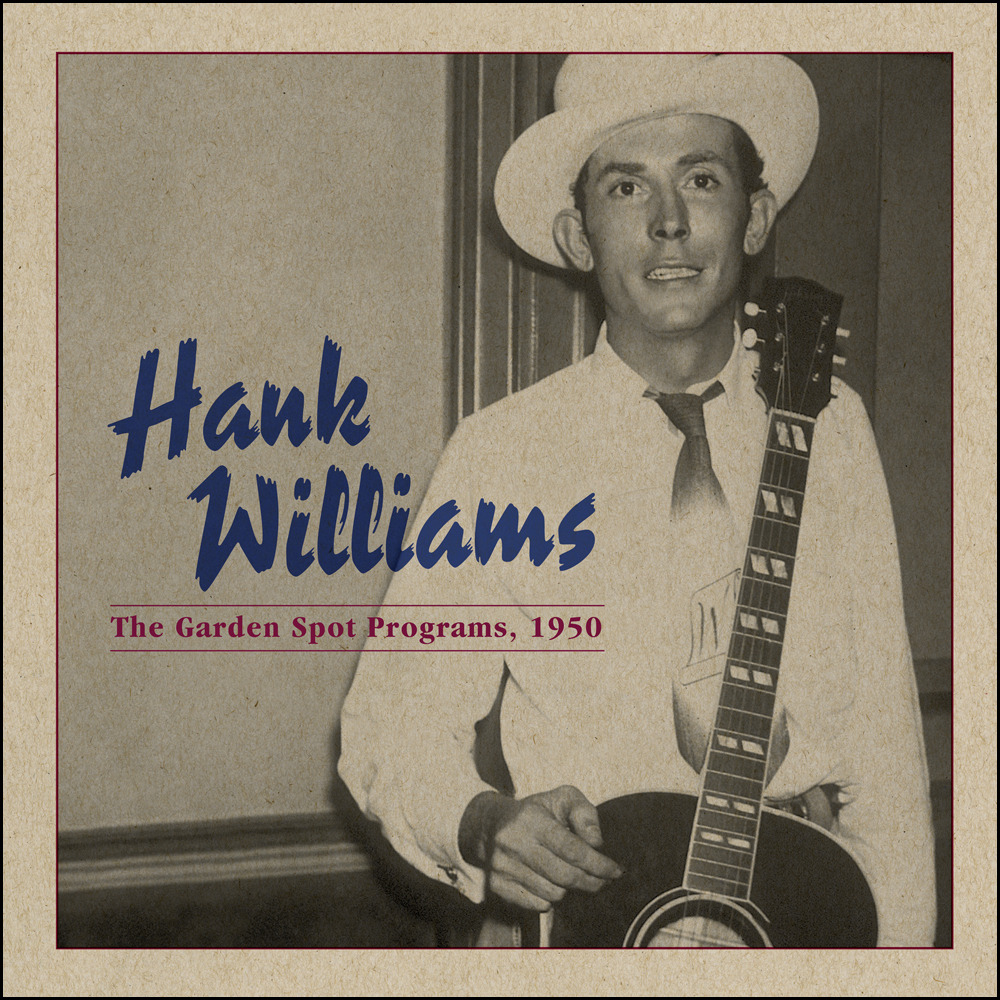
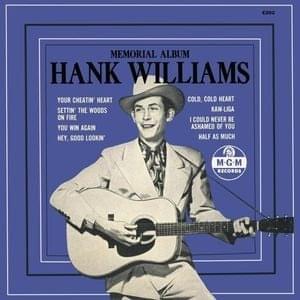
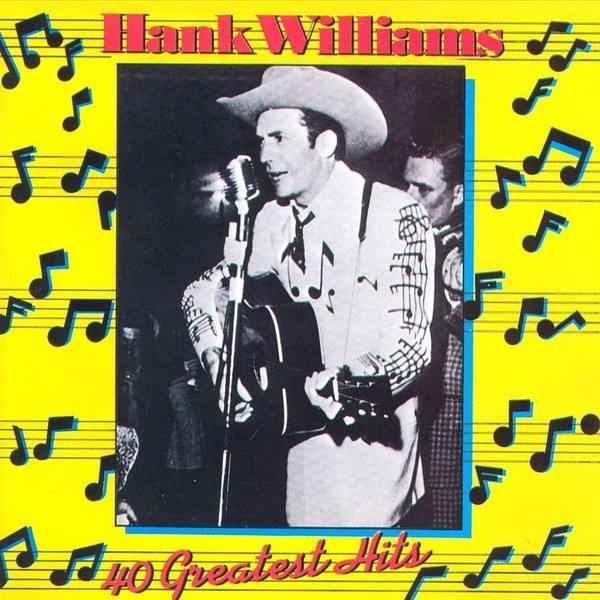
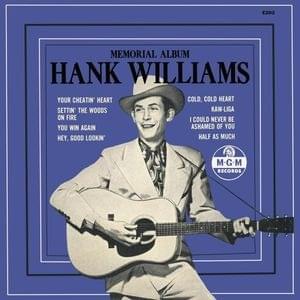
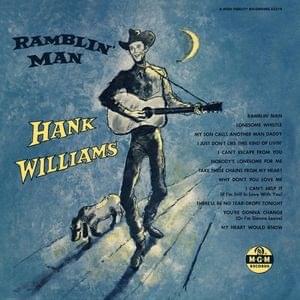
Hank Williams, born Hiram King Williams in 1923, remains an unparalleled figure in American music. Though his life was tragically cut short at the age of 29, his impact on country music, and popular music as a whole, is immeasurable. Williams's raw, honest songwriting and distinctive vocal delivery resonated with a generation grappling with post-war anxieties and the changing landscape of American life.
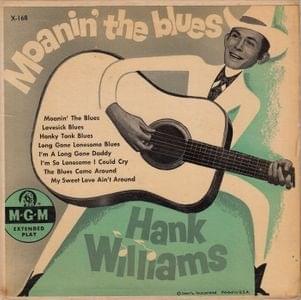
Williams's music was rooted in the blues, gospel, and traditional country sounds of the rural South. He began performing as a teenager, quickly gaining a following in local honky-tonks. His talent was undeniable, and soon he was signed to MGM Records, launching his career into the national spotlight. It was with songs like Move It on Over that Hank's star began to rise, showcasing his talent for blending humor and heartache.
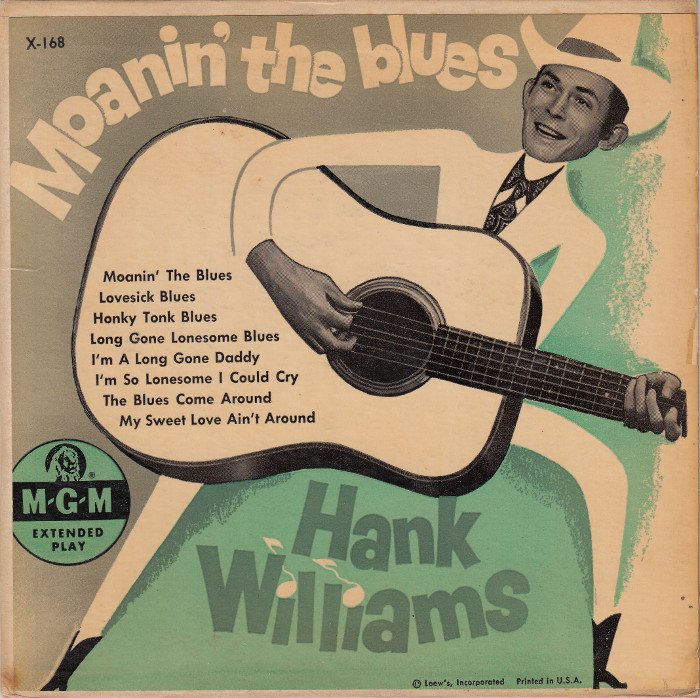
What set Williams apart was his ability to capture the complexities of human emotion in simple, yet profound lyrics. He wrote about love, loss, loneliness, and the struggles of everyday life with an authenticity that touched listeners deeply. Songs like I'm So Lonesome I Could Cry are timeless expressions of heartbreak that continue to resonate with audiences today. The depth of these emotions earned him the nickname 'The Hillbilly Shakespeare'.
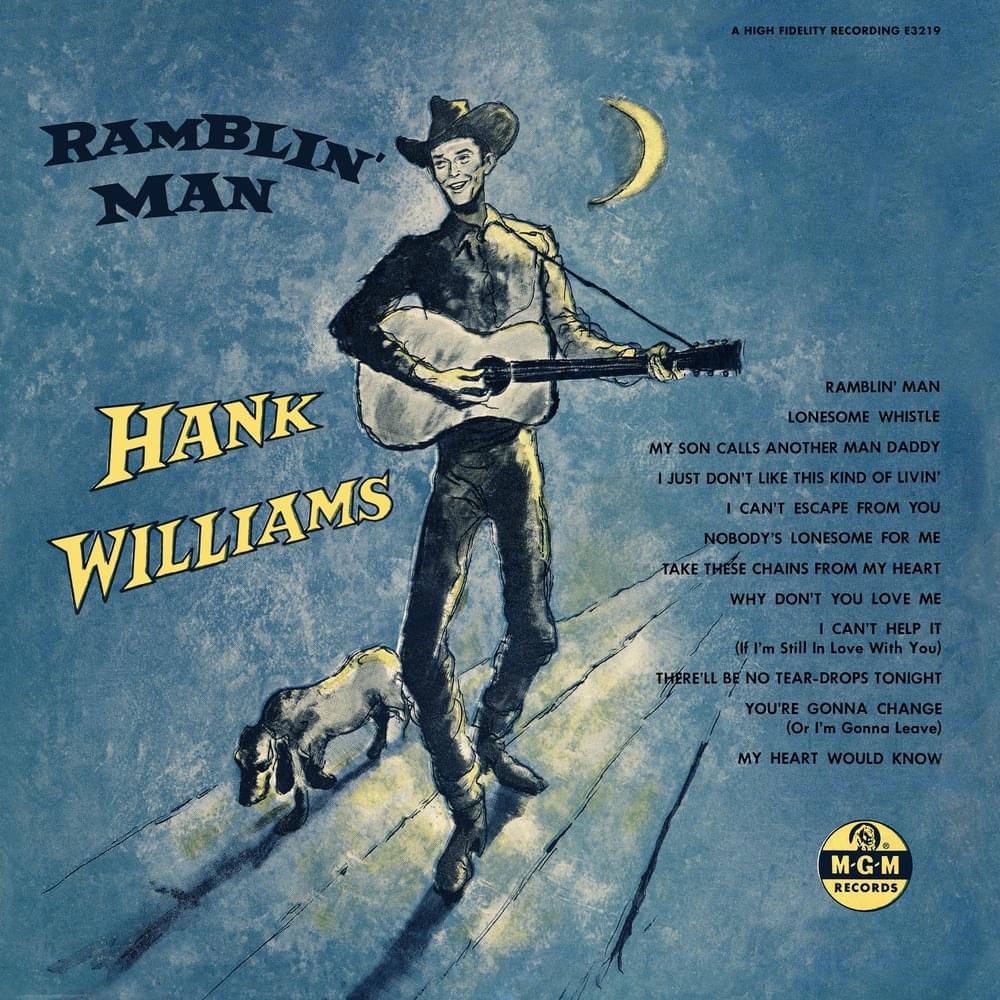
His success wasn't without its challenges. Williams battled alcoholism and drug addiction throughout his adult life, struggles that undoubtedly fueled the pain and vulnerability in his music. Despite these personal demons, he continued to write and perform prolifically, leaving behind a vast catalog of songs that have become standards of the country music repertoire. Many of his songs such as Why Don't You Love Me (Like You Used to Do) became instant classics.
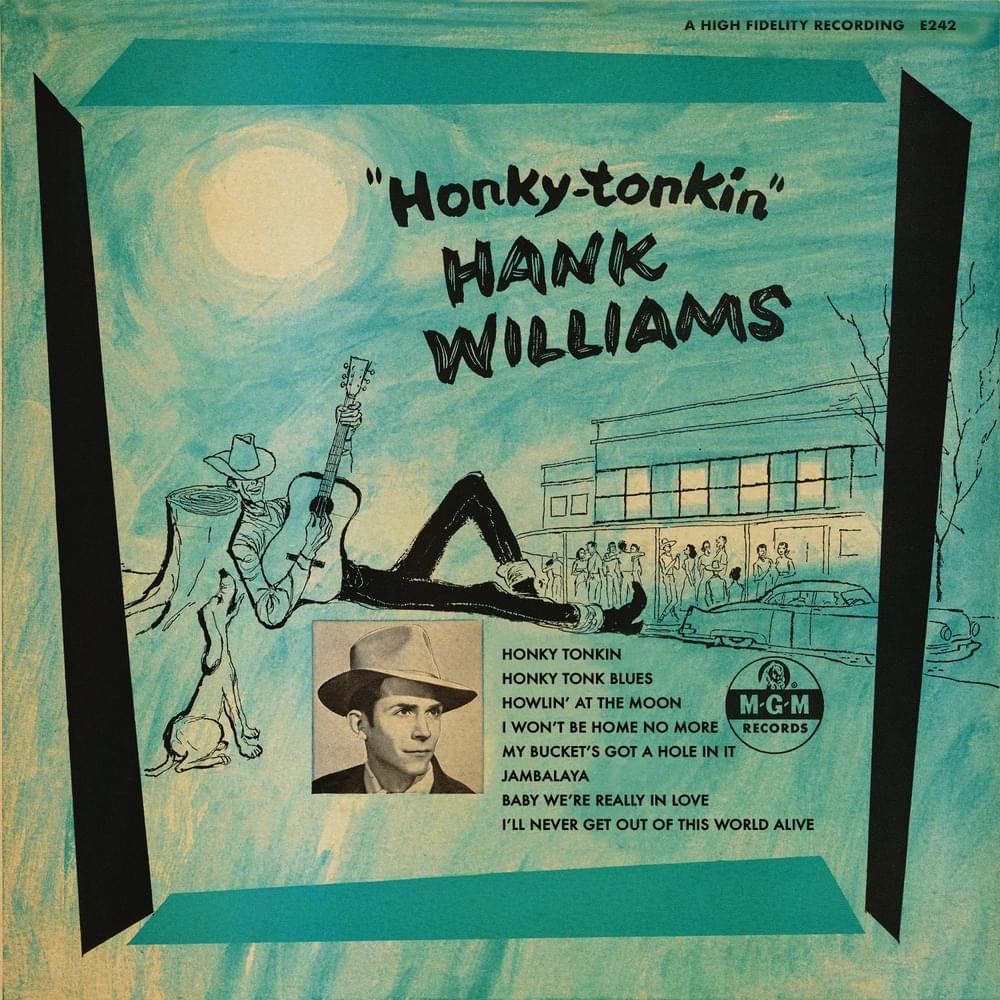
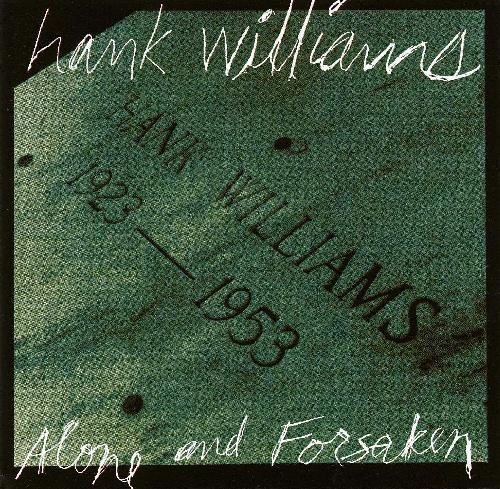
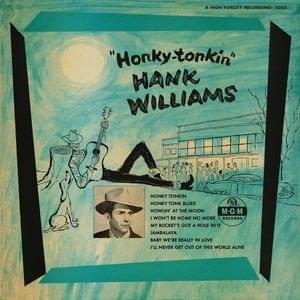
Even songs that sound upbeat, like My Bucket's Got a Hole in It, are full of the same wry humor and sense of underlying sadness that permeates so much of his work. The hard-living lifestyle and constant touring took their toll, and Williams's health deteriorated rapidly. His untimely death on New Year's Day 1953 shocked the music world and cemented his status as a legend.
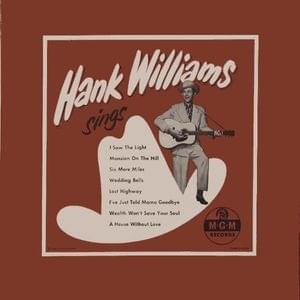
Hank Williams's legacy extends far beyond the realm of country music. His influence can be heard in the work of countless artists across genres, from rock and roll to folk to blues. His songs continue to be covered and reinterpreted, ensuring that his music will live on for generations to come. The plaintive yearning in Mansion on the Hill remains as powerful today as it was when it was first recorded.