Song Meaning
The lyrics to "Time to Cry" paint a stark picture of a person consumed by sorrow. Everyday objects become painful reminders of a lost love. The narrator's world is filtered "through teardrops," making every moment a fresh trigger for grief. It's a raw, unvarnished look at heartbreak's relentless grip.
The core tension here lies in the narrator's desperate longing clashing with an undeniable reality of absence. Each verse builds on this, showing how hope is repeatedly dashed. From the "old clock" confirming a missing heart to the crushing blow of a "returned your letter," the lyrics detail a series of small, yet devastating, confirmations of solitude. The emotional conflict isn't external; it's the internal struggle against a pervasive, inescapable sadness.
What truly hits hard is how the lyrics transform mundane domestic scenes into arenas of profound despair. The postman isn't a neutral event; he's a harbinger of "bills and nothing things," culminating in the devastating return of a letter. Similarly, the silent "telephone won't ring" becomes a symbol of unanswered prayers and deepening isolation. This craft choice grounds the abstract pain of heartbreak in tangible, relatable moments, making the narrator's grief feel intensely personal and inescapable.
The effectiveness of these lyrics stems from their unflinching honesty and the powerful repetition of the central refrain. "Guess it's time to cry" isn't just a statement; it's a resigned acceptance, a mantra of helplessness. The rhetorical question, "What else can I do but cry over you?" seals this sense of utter surrender. By showing grief not as a fleeting emotion but as an all-encompassing state triggered by every glance and sound, the lyrics capture the suffocating weight of a love irrevocably lost.
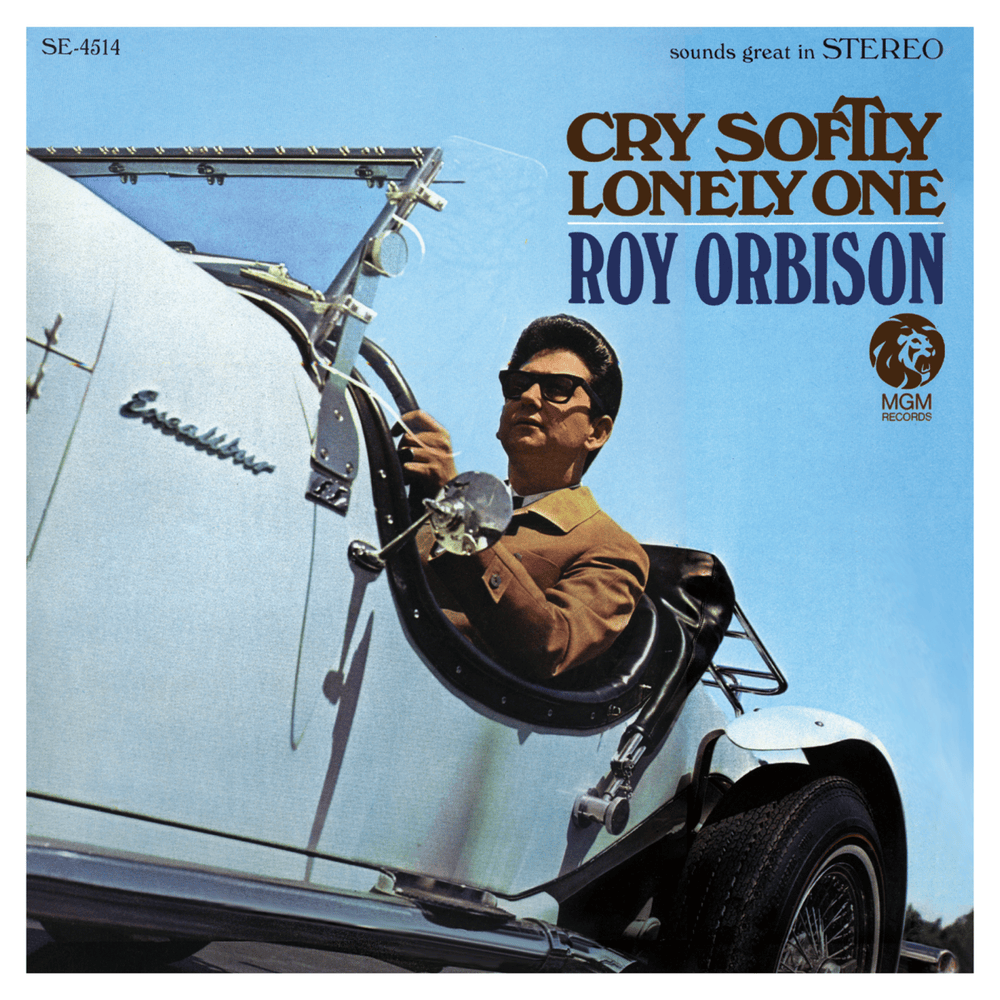
 View Artist