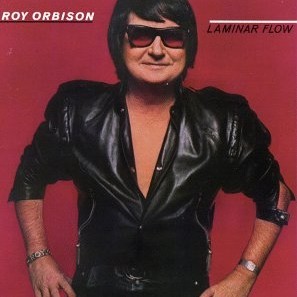
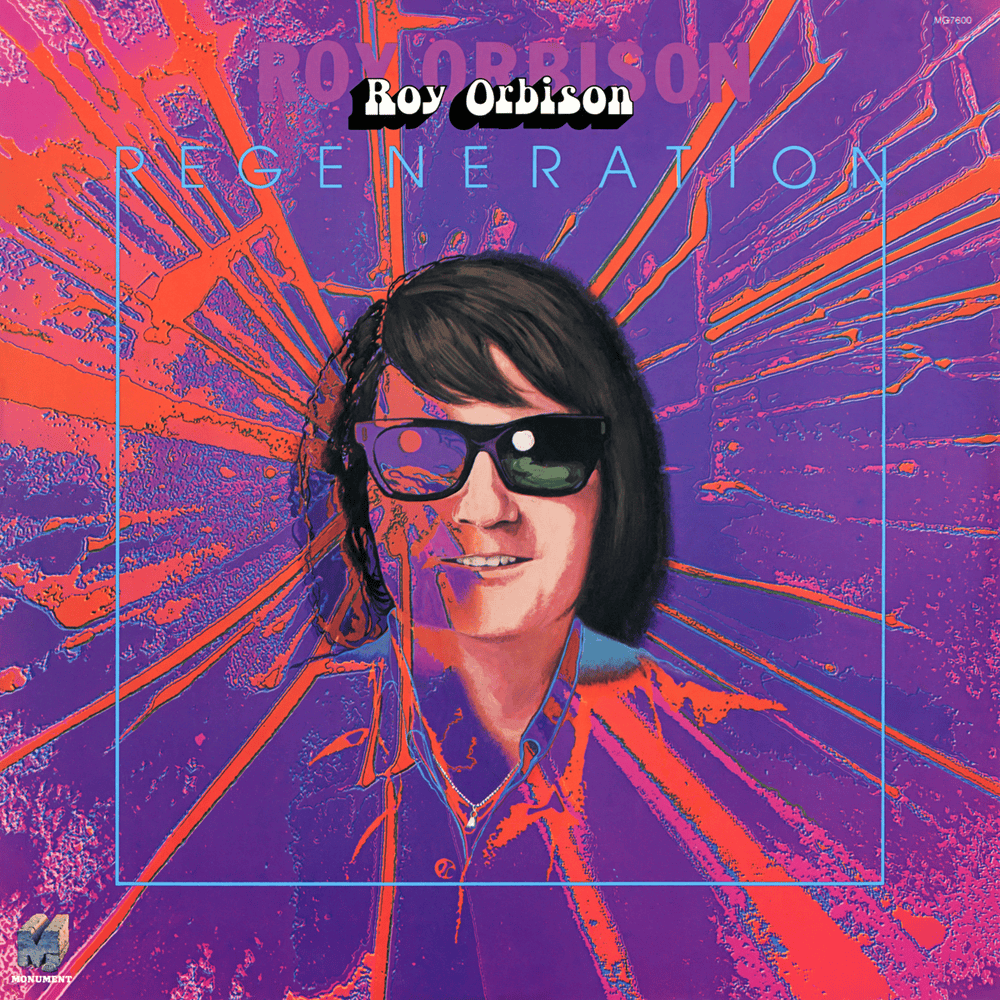
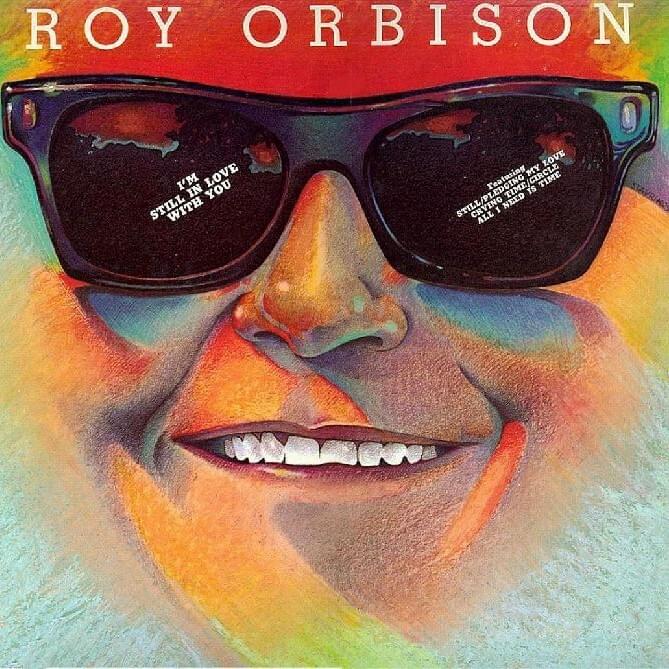
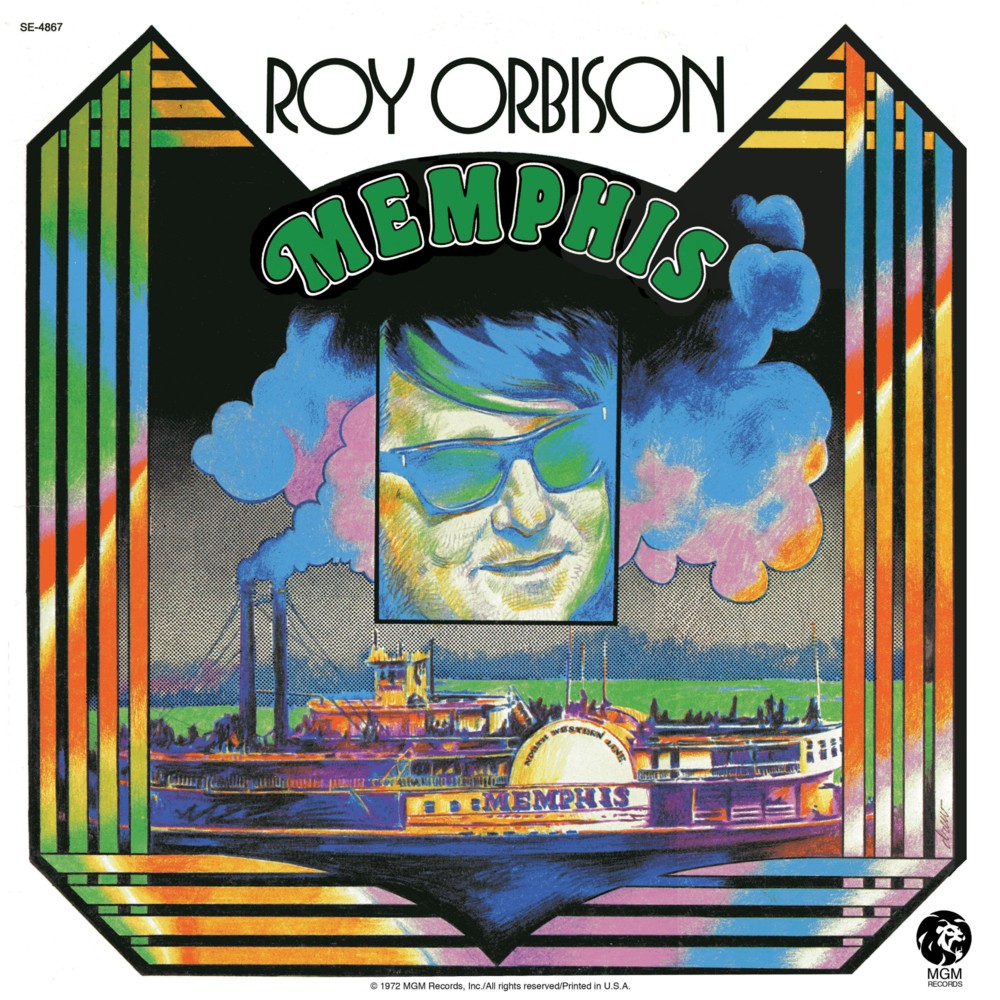
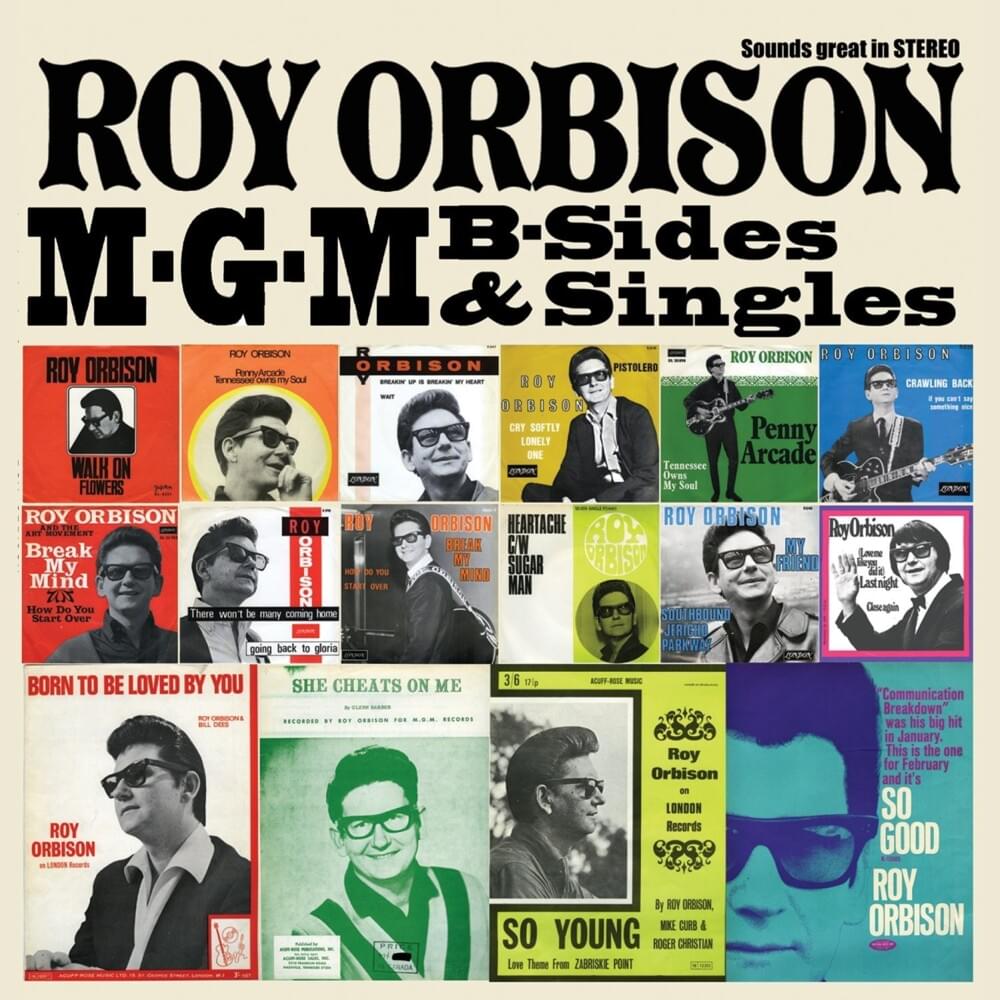
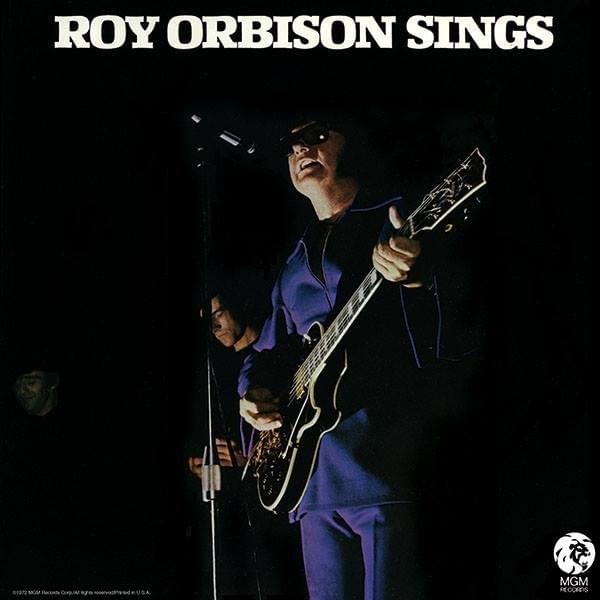
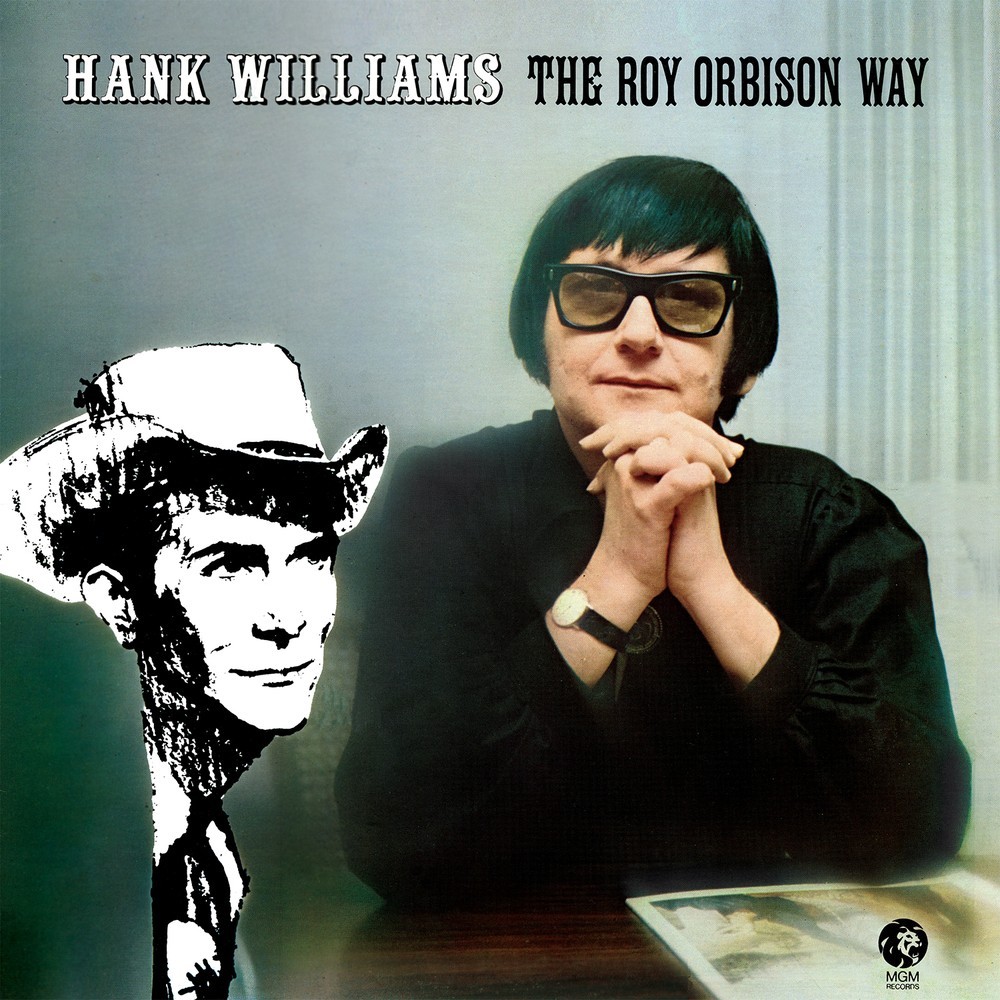
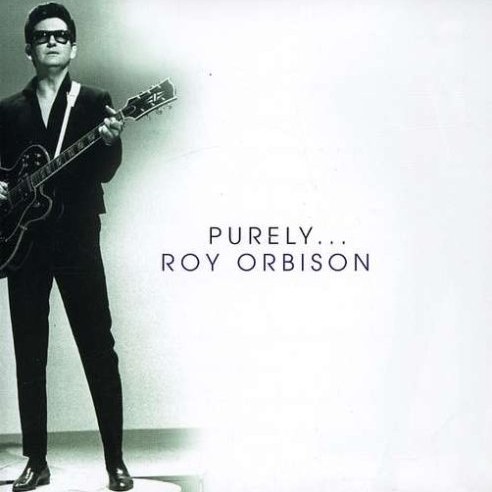
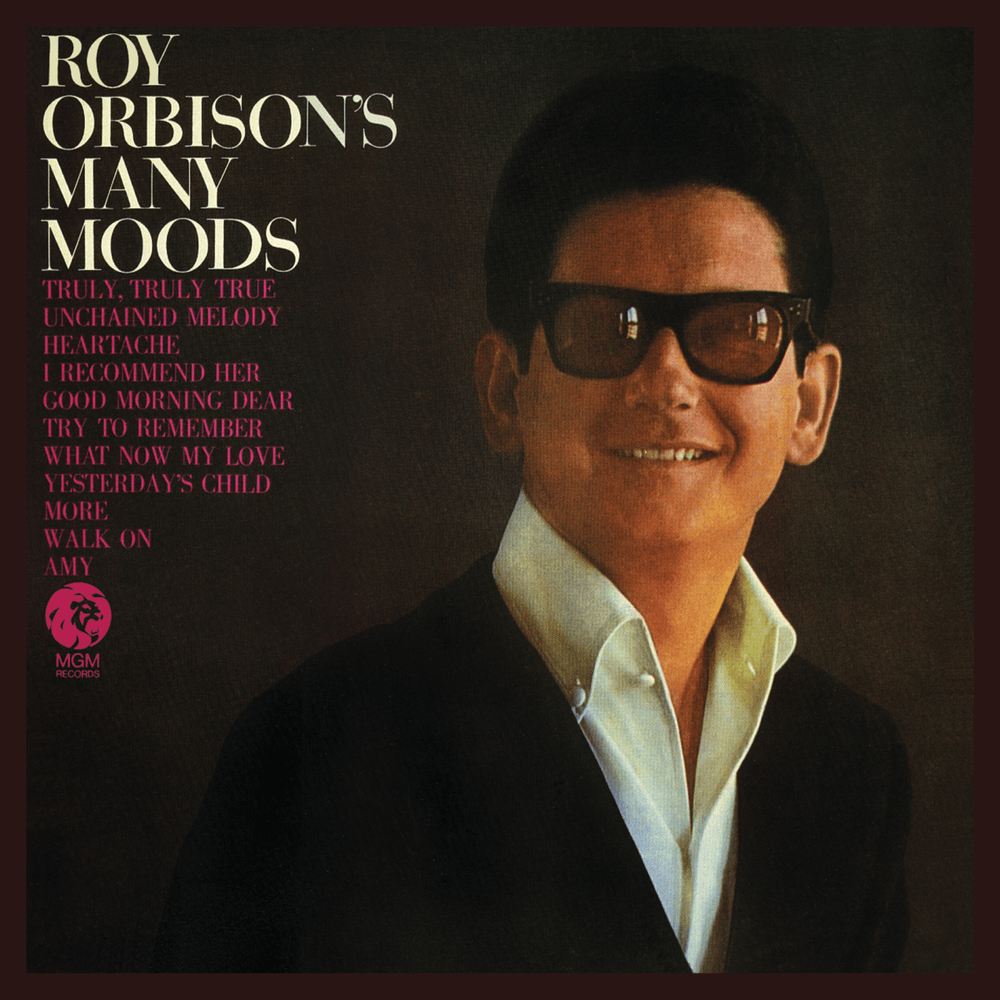
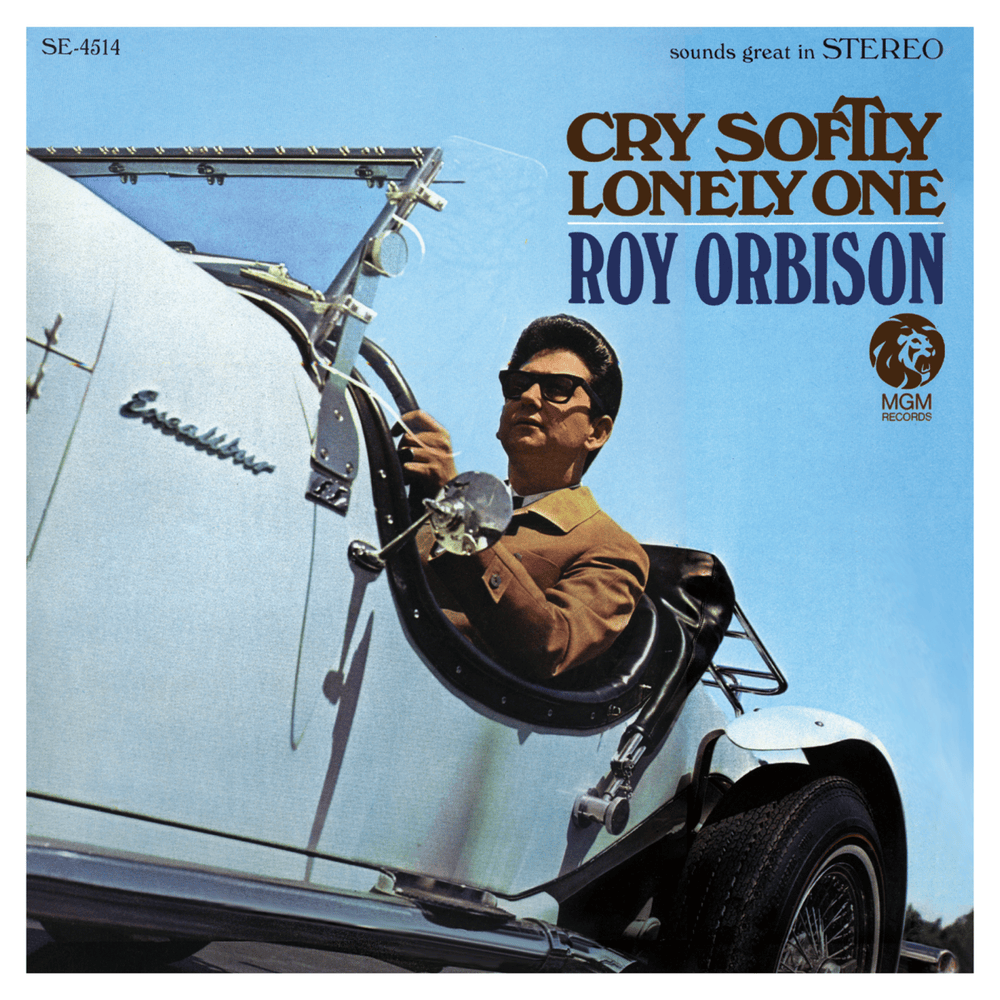
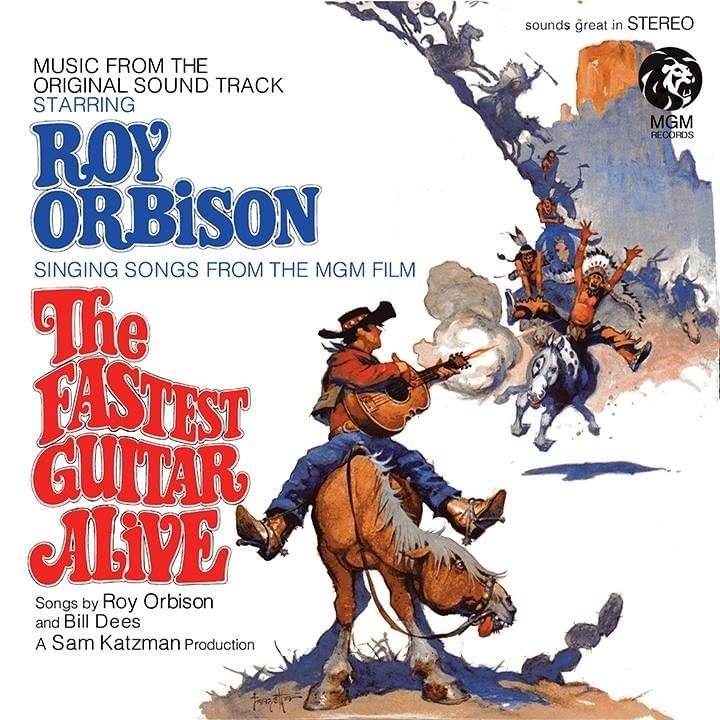
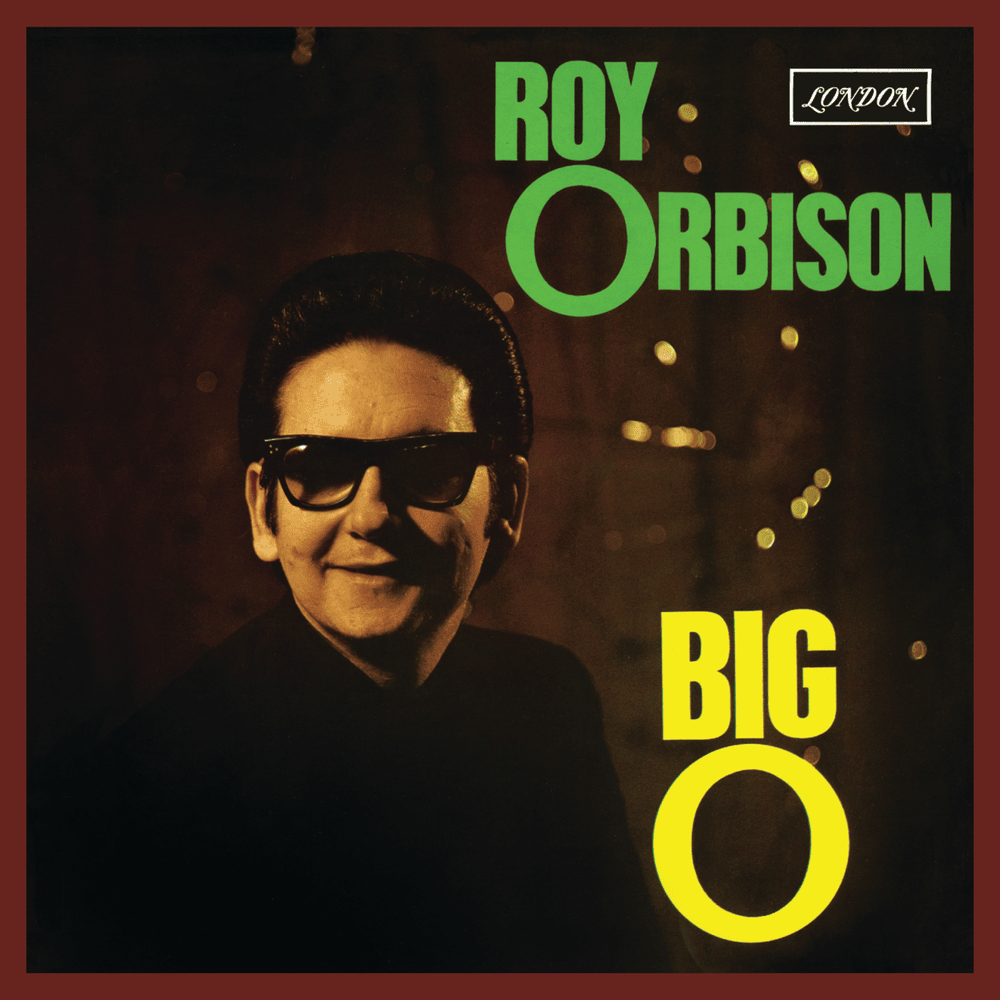
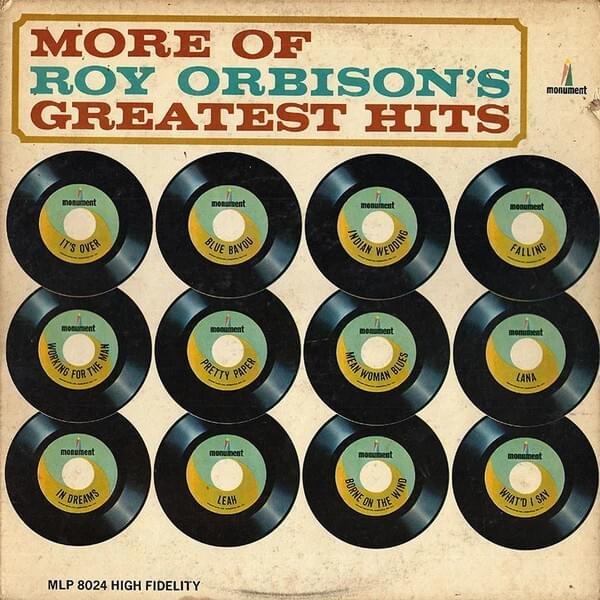
Roy Orbison, the bespectacled Texan with the soaring tenor voice, wasn't just a singer; he was an architect of emotion. His music, a tapestry woven with threads of vulnerability, longing, and operatic grandeur, resonated deeply with audiences across generations. Orbison's distinct sound, characterized by its dramatic arrangements, evocative lyrics, and, of course, that unforgettable voice, set him apart from his rock and roll contemporaries, earning him a unique place in music history.
Born in Vernon, Texas, in 1936, Orbison's early exposure to country music laid the foundation for his eclectic style. He initially dabbled in rockabilly, finding regional success before pivoting towards the signature sound that would define his career. His breakthrough came in the early 1960s with a string of hits that showcased his remarkable vocal range and songwriting prowess. Songs like Cold, Cold Heart are prime examples of his ability to convey profound sadness and heartache.
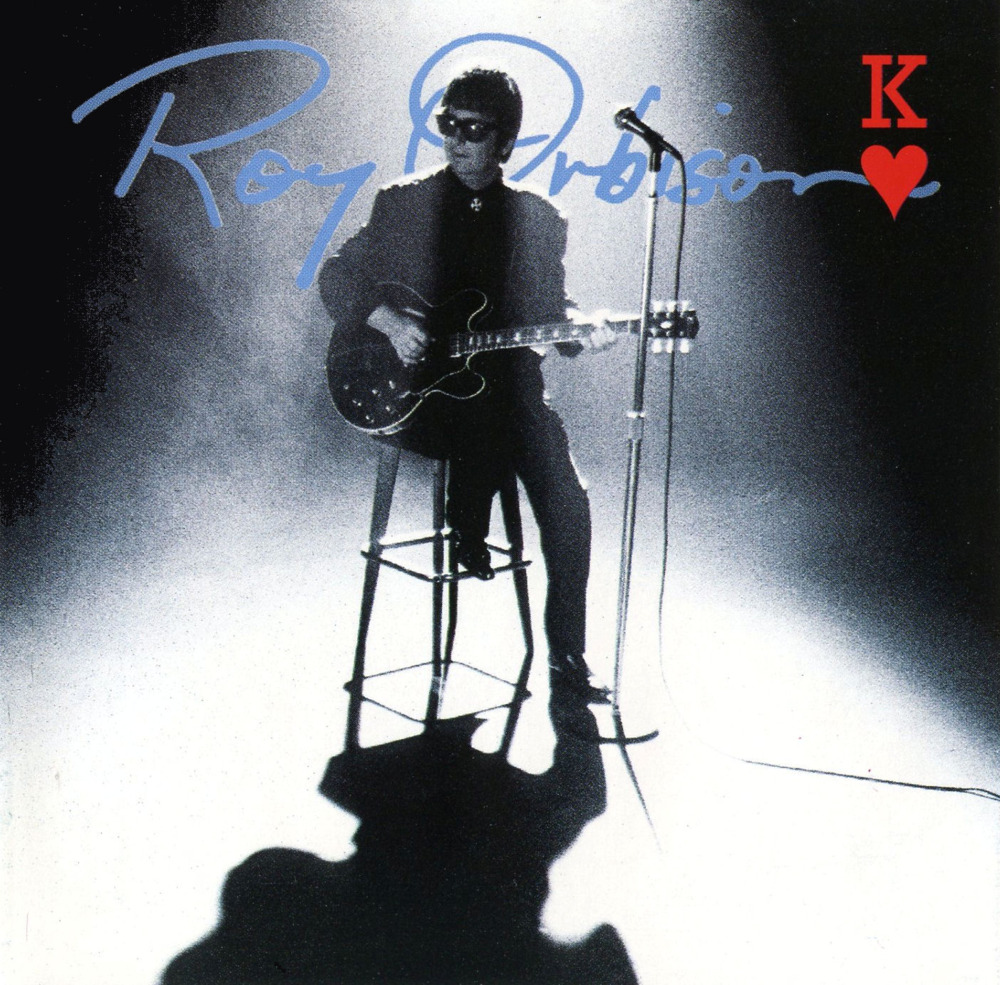
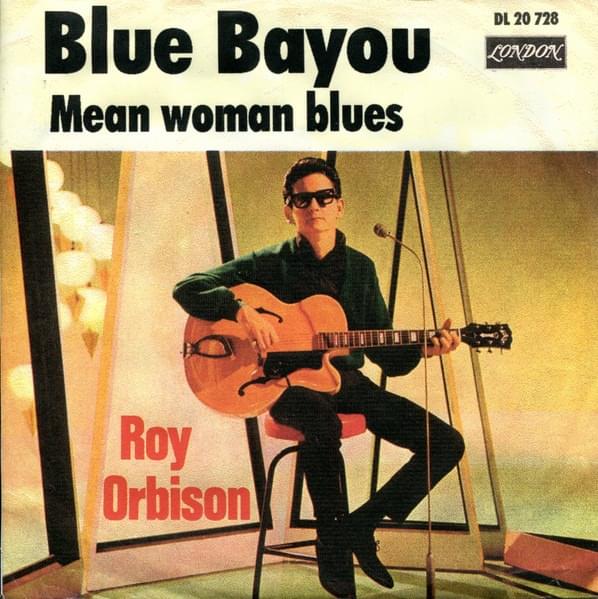
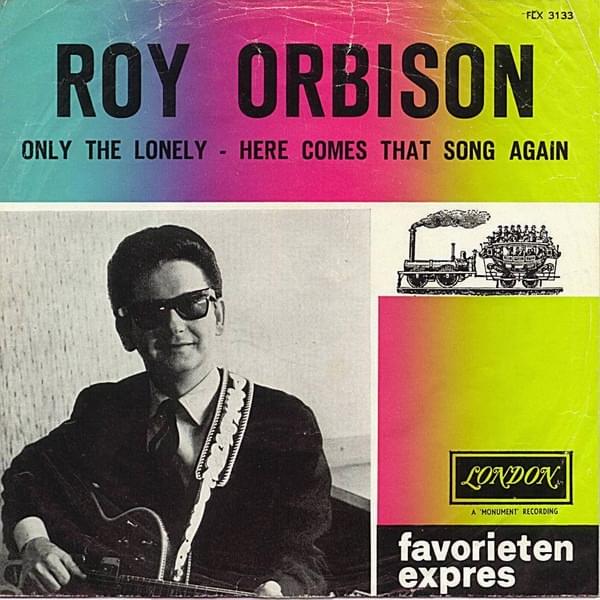
Orbison's stage presence, or lack thereof, was also part of his allure. Often stoic and clad in dark clothing and sunglasses, he projected an air of mystery that contrasted sharply with the raw emotion pouring from his voice. This enigmatic persona only amplified the power of his performances. He could deliver a song like I'm So Lonesome I Could Cry with such palpable feeling that listeners couldn't help but be moved.
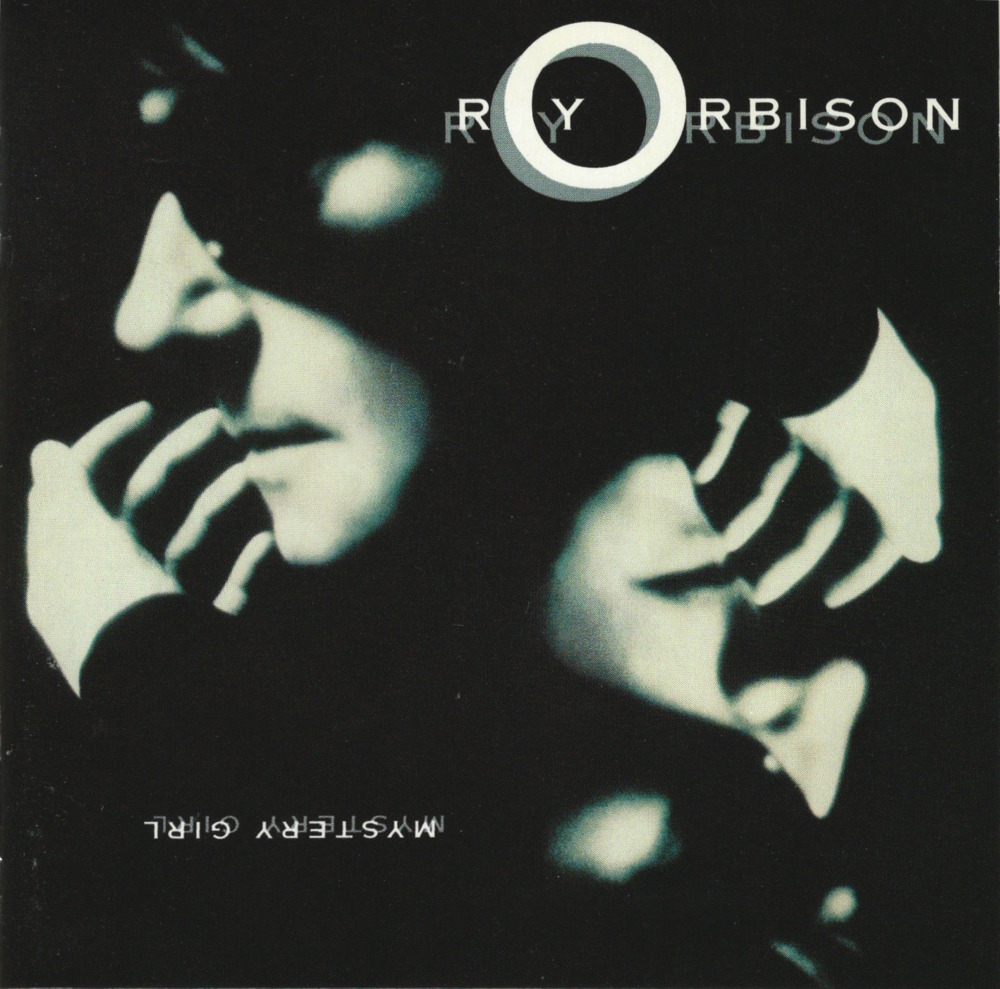
Despite facing personal tragedies and periods of professional decline, Orbison remained a dedicated artist. The late 1980s witnessed a remarkable resurgence in his career. He joined forces with Bob Dylan, George Harrison, Jeff Lynne, and Tom Petty to form the supergroup the Traveling Wilburys, introducing his talents to a new generation. He also released the critically acclaimed album "Mystery Girl," which included the hit single "You Got It."
Orbison's influence on music is undeniable. His songs continue to be covered by artists across genres, and his vocal style has inspired countless singers. Even in his interpretations of standards like Your Cheatin' Heart, he managed to imbue them with his unique brand of emotional intensity. The enduring appeal of Roy Orbison lies in his ability to tap into the universal experiences of love, loss, and longing, making him a timeless voice in the landscape of popular music. The vulnerability he expressed in songs like She Wears My Ring created a deep connection with his audience. Even a song like The Great Pretender, usually performed with upbeat energy, takes on a new dimension of sadness in his capable hands. Orbison's legacy extends far beyond his hits; it's woven into the very fabric of pop music's emotional core.