Song Meaning
The lyrics paint a stark picture of a desolate night, where every natural sound and sight seems to echo a profound sadness. The speaker's declaration, "I'm so lonesome I could cry," immediately establishes an overwhelming emotional core. This isn't just sadness; it's a loneliness so intense it borders on physical pain.
A central tension emerges from the speaker's projection of their internal state onto the external world, blurring the lines between observer and observed. The "lonesome whippoorwill" and a "robin weep[ing]" aren't just observations; they become potent mirrors for the speaker's own despair, suggesting an almost empathetic natural world. This profound anthropomorphism makes the speaker's isolation feel pervasive, as if the entire landscape is steeped in a shared, inescapable sorrow. Even the "midnight train is whining low," adding another layer of mournful sound to the desolate scene.
The craft shines in how the lyrics use questions to draw the listener into this shared melancholy. "Did you hear that lonesome whippoorwill?" and "Did you ever see a robin weep?" aren't rhetorical; they invite empathy, grounding the speaker's intense feeling in relatable, if heightened, natural imagery. The moon hiding "behind a cloud" and time "crawlin' by" further distort reality, reflecting the heavy, dragging weight of loneliness.
The cumulative effect is devastatingly effective, culminating in the raw, almost guttural repetition of "I could cry-eye-eye." This extended vocalization in the final stanza moves beyond mere words, transforming the feeling into an almost physical sound. The single line, "as I wonder where you are," offers a fleeting glimpse of a potential catalyst for this deep sorrow, but the lyrics wisely keep the focus on the all-consuming emotion itself, making the loneliness palpable and deeply resonant.
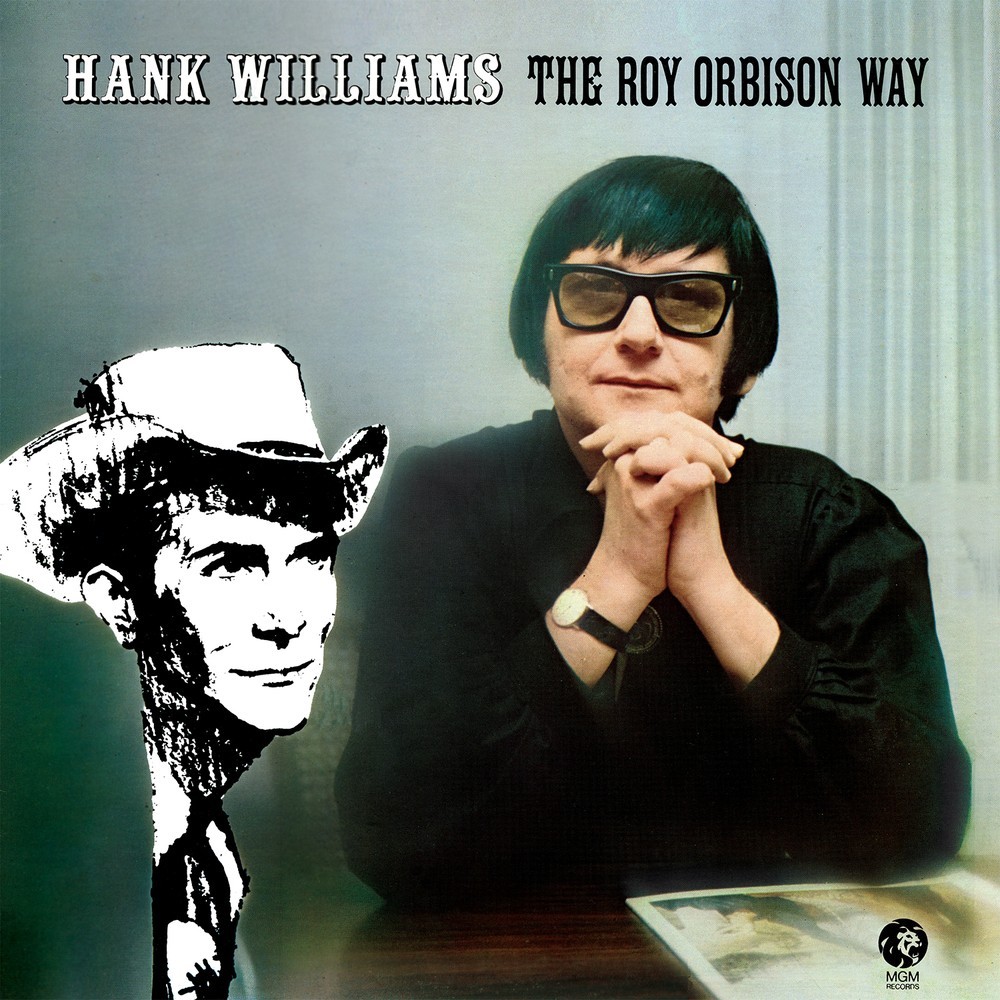
 View Artist