Remember the Good
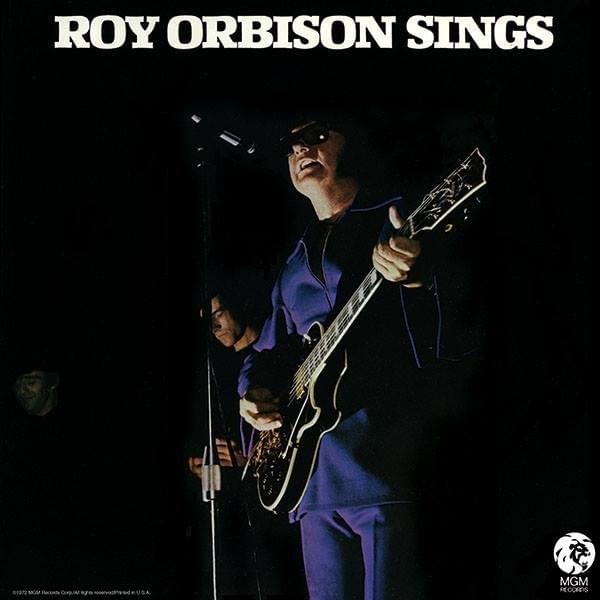
 View Artist
Lyrics
Yes, I suppose at times I think about her She was once so much a part of me Heaven knows I've learned to live without her And hell, it was, at times It was a painful memory But for all it matters now, If it does For all that tried to be, but never was For all the times I've tried I wouldn't change it if I could For all she meant to me, I'll remember the good I'll forget the bad All the good times we've had Won't make me quite so sad When I'm remembering And for all the times I've tried I wouldn't change it if I could For all she meant to me, I'll remember the good For all she meant to me, I'll remember the good
Rate this song
0/5.0 - 0 Ratings
5
0.0% (0)
4
0.0% (0)
3
0.0% (0)
2
0.0% (0)
1
0.0% (0)
Loading comments...
Credits
- Writers
- Mickey Newbury