Song Meaning
Rossa's "Cintai Aku" isn't just a plea for love; it's an exploration of the masochistic tendencies that can bloom in the wasteland of heartbreak. The central paradox – "Love me and hurt my heart / If that can bring you back to my embrace" – lays bare the speaker's willingness to endure pain as a twisted form of connection. It's a raw, almost desperate gamble, suggesting that any form of attention, even negative, is preferable to the crushing void left by the departed lover. This sentiment, while seemingly extreme, taps into a universal fear of abandonment and the lengths to which some will go to avoid it. The lyrics paint a picture of someone bargaining with their own emotional well-being, offering it as collateral in the hopes of rekindling a lost romance. It's a dangerous proposition, hinting at a potentially unhealthy dynamic where pain becomes entangled with affection.
The singer's willingness to "give everything" underscores the imbalance of power in the relationship. The repeated requests to be loved and hurt highlight a potential cycle of idealization and disappointment, where the speaker might subconsciously perpetuate a pattern of seeking validation through suffering. The admission that the memories of past happiness only amplify the current pain adds another layer of complexity. It's not simply the absence of the lover that stings, but the stark contrast between what was and what is, fueling a desperate desire to rewind time, even if it means reliving the hurtful moments. The line, "God, please bring back my story," is particularly telling, revealing a yearning for a fixed narrative, a return to a time when the story felt complete and secure.
Ultimately, the song meaning of "Cintai Aku" resides in the uncomfortable space between love and self-destruction. It's a stark reminder that grief can manifest in unexpected ways, sometimes leading us to cling to the very things that cause us the most pain. The repetition of the central lines emphasizes the speaker's fixation, a cyclical thought pattern that traps them in a loop of longing and self-inflicted emotional wounds. It's a cautionary tale about the dangers of equating love with suffering and the importance of recognizing one's own worth, even in the face of heartbreak.
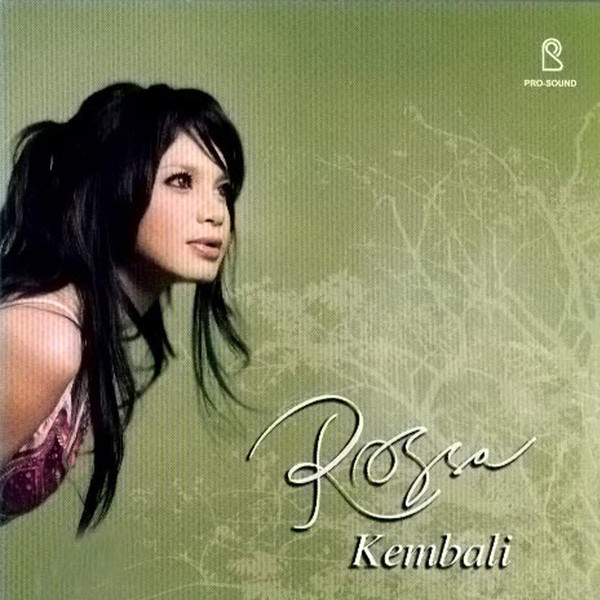
 View Artist