Song Meaning
Rossa's "Terlalu Cinta" (meaning "Too Much in Love") isn't just a love song; it's a raw, almost desperate plea born from the agonizing awareness of being irrevocably, perhaps even self-destructively, consumed by love. The opening lines, a paradoxical demand to "not come closer," immediately establish the core conflict: proximity to the beloved is both desired and unbearable because it highlights the singer's lack of possession. This isn't a celebration of romance; it's a lament of dependency. The singer acknowledges attempts to move on, seeking replacements, yet confesses that her heart "always sides with" the object of her affection, revealing a profound lack of control over her own emotional landscape. The repetition amplifies this sense of being trapped.
The recurring question, "Mengapa semua ini terjadi kepadaku" ("Why is this happening to me?"), betrays a sense of helplessness and victimhood. It's not just about love; it's about the perceived injustice of being so utterly dominated by it. There's a subtle undercurrent of self-pity, a feeling of being uniquely afflicted by this overwhelming emotion. The plea to God – "Tuhan maafkan diri ini" ("God forgive me") – adds a layer of moral conflict. The singer recognizes, perhaps subconsciously, that her obsessive love is a failing, a deviation from a more balanced, perhaps even spiritually healthier state. It's as if the intensity of her feelings is a sin in itself.
Ultimately, the confession "aku terlalu cinta dia" ("I love him too much") isn't a triumphant declaration. It's an admission of defeat. The "song meaning" centers on this fatal flaw: the inability to moderate desire, to maintain emotional equilibrium. The repetition of this line, particularly at the song's close, reinforces the sense of resignation. The singer isn't celebrating love; she's succumbing to it, acknowledging its power to overwhelm and control her. It's a portrait of love as a form of imprisonment, not liberation.
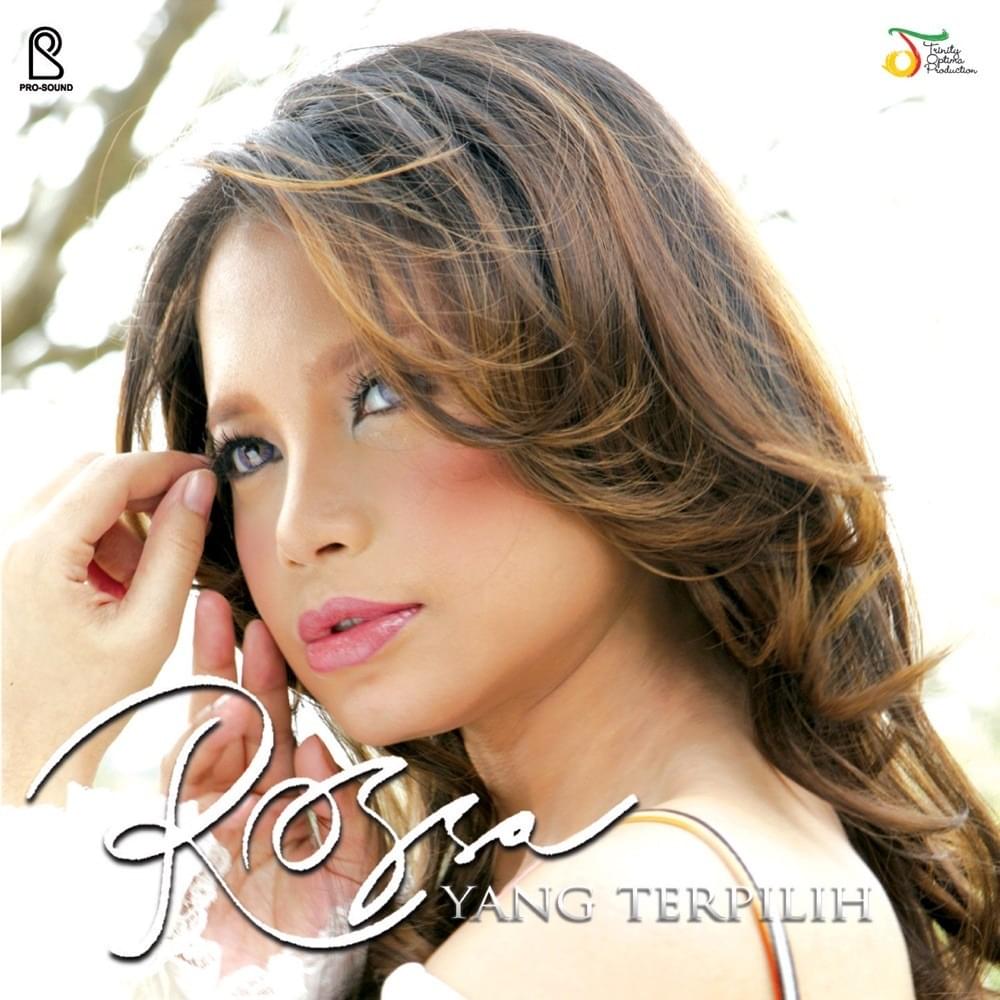
 View Artist