Song Meaning
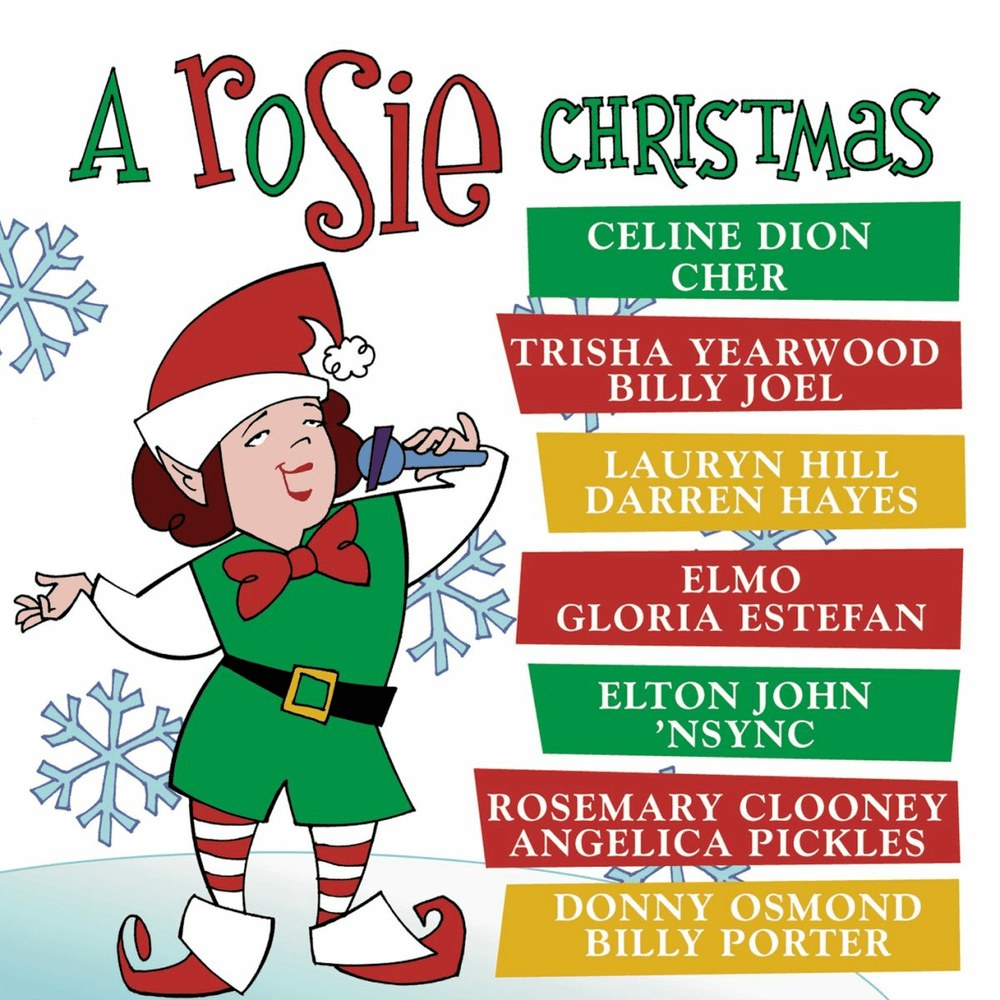
Rosie O'Donnell's rendition of "White Christmas" arrives steeped in the melancholic longing that defines the holiday classic. But it's not simply a saccharine wish for picture-perfect snowscapes; it's a yearning for a past, a feeling, an idealized vision of belonging. The repeated phrase "like the ones I used to know" hints at a loss, a disruption of innocence. The glistening treetops and listening children aren’t just pleasant images; they are symbols of a simpler time, viewed through the gauze of nostalgia.
The act of dreaming itself becomes central to the song’s meaning. O'Donnell isn’t necessarily describing a current reality. Instead, she's constructing a mental refuge, a space where "merry and bright" days are guaranteed. The lyrics analysis reveals the Christmas card acts as a fragile conduit to this imagined world. Each card becomes a small act of wishing, a desperate attempt to manifest the lost purity of "white Christmases." It's a poignant recognition that the holidays, for many, are less about the present joy and more about the echo of past happiness.
Ultimately, Rosie O’Donnell’s "White Christmas" isn't just about snow; it's about the human need to create and cling to idealized memories, especially when faced with the complexities and disappointments of the present. The repetition of wishing others a "white" Christmas amplifies this desire, transforming the song into a collective yearning, a shared dream for a peace and joy that feels increasingly out of reach. It’s a sonic portrait of bittersweet hope, wrapped in the familiar comfort of a Christmas carol.
 View Artist