Song Meaning
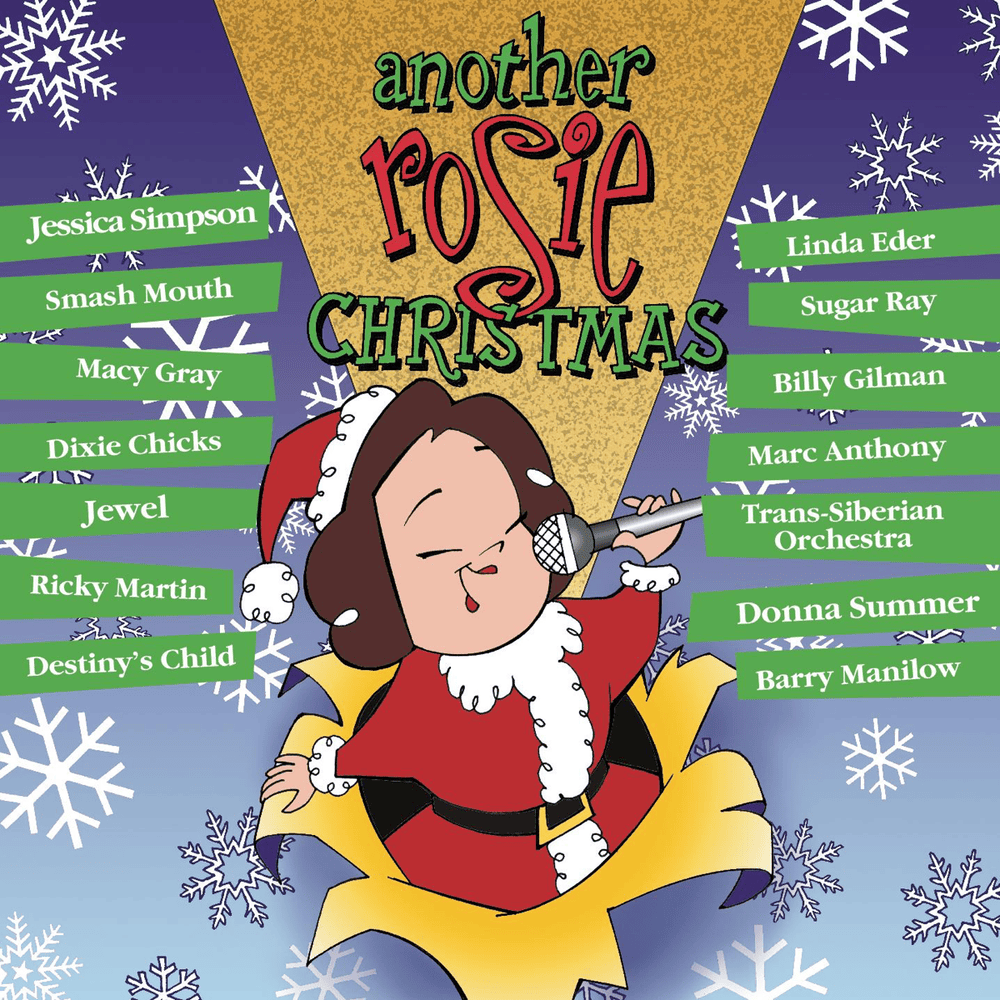
Rosie O'Donnell's "Christmas Auld Lang Syne" wraps us in the familiar comfort of holiday tradition, but it's more than just a sentimental sleigh ride. The song's emotional core lies in the yearning for connection and the cyclical nature of memory, as framed by the Christmas season. It's a double dose of nostalgia, intertwining the specific joys of Christmas with the broader, more universal longing for "auld lang syne" – the good old days and the bonds that time can both strengthen and threaten. The lyrics paint a picture of communal warmth, where shared carols and children's laughter create a protective bubble against the outside world. But there is a bittersweet quality, a quiet acknowledgment of time's passage woven into the melody.
The repeated phrase "Christmas auld lang syne" acts as both a celebration and a plea. It's an active choice to recreate and relive cherished moments, to intentionally gather around the metaphorical tree and bask in the glow of shared history. The religious element, the thanking of the Lord, reinforces this sense of gratitude and the desire for continued blessings, a hope that the future will mirror the warmth of the past. However, the very act of invoking "auld lang syne" hints at an awareness of loss, a recognition that these moments are fleeting and precious precisely because they cannot be fully recaptured.
Ultimately, the song's meaning transcends mere holiday cheer. It speaks to the fundamental human need for belonging and the power of ritual to sustain us through the inevitable changes of life. O'Donnell's rendition, imbued with sincerity, transforms a familiar carol into a poignant meditation on memory, connection, and the enduring spirit of Christmas as a time for reflection and renewal. It's a reminder that the true gift of the season isn't just the presents under the tree, but the shared moments that become the "auld lang syne" we'll cherish in the years to come.
 View Artist