Song Meaning
The lyrics paint a picture of cyclical frustration and resignation, where efforts to move forward are met with persistent setbacks. The opening lines capture a sense of weary inevitability: "Tanto pasar y luego pasa lo de siempre / Se te amontona el temporal." This suggests a recurring pattern of struggle, where despite the passage of time, the same old problems resurface, leaving the narrator stuck, "No vas pa'alante ni pa' atrás." The dominant emotional tone is one of cynical disillusionment, a feeling of being repeatedly wronged.
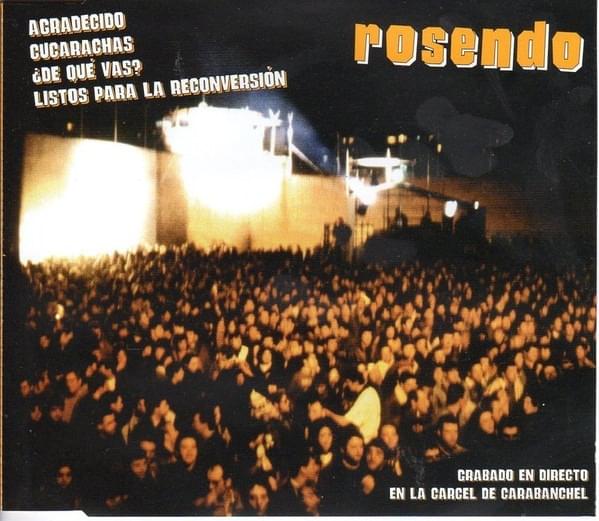
The core tension lies in the contrast between the narrator's internal stagnation and the external world's superficial reactions. While the narrator feels trapped and betrayed ("Ya nos la clavaron otra vez"), others seem to either avoid the difficult conversations or, more jarringly, celebrate the "desaparición del malestar." This celebration, especially when linked to "Listos para la reconversión," implies a readiness to adapt to new, perhaps equally problematic, circumstances without truly addressing the root issues. The "eminente" figure who "hace el apaño" further highlights this, suggesting that popularity or influence can mask a lack of genuine progress.
The most striking aspect of the craft is the repeated, almost taunting, refrain: "Ya me dirás como te sientes." This phrase, delivered after detailing the cycle of disappointment, shifts from a genuine inquiry to a rhetorical question, dripping with sarcasm. It implies that no matter how one feels, the outcome remains the same—a feeling of being "clavaron otra vez." The repetition amplifies the sense of helplessness and the futility of expressing one's true feelings when the system or situation is rigged against genuine change.
Ultimately, these lyrics resonate because they articulate a pervasive feeling of being stuck in a loop of false promises and recurring disappointments. The sharp, almost bitter, observations about how others react—or fail to react—to persistent problems create a potent sense of shared, albeit cynical, understanding. The song captures that moment of weary recognition when you realize the "temporal" has arrived again, and the only response left is a resigned "Apaga y vámonos."
 View Artist