Song Meaning
The lyrics paint a stark picture of a process where something valuable is simultaneously indulged and undermined. There's a constant push and pull: "Se le consiente el valor / Y se le ignora el talento" sets up this core tension. This entity, whatever it is, is given superficial praise while its genuine abilities are overlooked. It's then actively hindered, "Se le pone marcha atrás / Se le quita equis porciento," suggesting a deliberate sabotage of progress.
The central, recurring image is the washing in "agua caliente." This isn't a cleansing ritual; it's a preparation for sale. The phrase "No se le deja secar / Y se le vende al cliente" implies a rushed, incomplete, and perhaps exploitative transaction. The entity is presented to the market while still vulnerable, "wet," and its ultimate worth is determined by a "precio singular," a unique, perhaps arbitrary, price.
This pattern of contradictory treatment continues with communication: "Se le permite opinar / Sе le censura el mеnsaje." It's given a voice, but its actual words are silenced. It can be comforted, but there's no "peaje" – no cost, implying the comfort is superficial or doesn't truly address the underlying issues. The lyrics suggest a cycle of being allowed to exist, then being manipulated and packaged for consumption, especially when it "aparenta ser valiente" or "consiente mentir."
The effectiveness lies in the relentless, passive construction "Se le..." which objectifies the subject, stripping it of agency. This consistent, almost bureaucratic description of mistreatment makes the exploitation feel systemic and impersonal. The stark contrast between superficial allowance and underlying suppression, culminating in the transactional "se vende al cliente," creates a chilling commentary on how potential or even genuine worth can be processed and commodified.
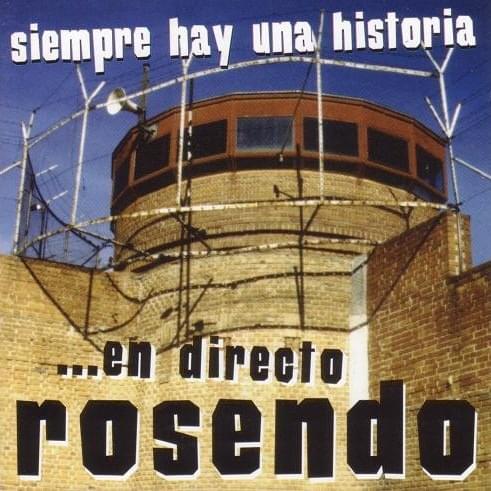
 View Artist