Song Meaning
The lyrics paint a vivid, almost surreal picture of a society grappling with unresolved issues and internal conflict. The opening lines, "Sobre las trincheras y entre cal / Siguen las cuentas sin saldar…", immediately establish a sense of lingering tension and unfinished business, like old wounds or debts that refuse to be settled. This is juxtaposed with mundane, almost absurd domestic imagery like "Una vinagrera y mucha sal / Una ensalada en el portal;", suggesting a disconnect between the grander, unresolved conflicts and the everyday realities people inhabit.
The core of the song seems to lie in observing human nature's tendency towards petty squabbles and self-serving actions, even amidst larger societal problems. The lines "Deja que se apiñen / Que así se ciñen / Y luego riñen / Y si se restriñen / Que allá se apañen / Hasta que la giñen" describe a cycle of people crowding together, becoming constrained, fighting, getting constipated (metaphorically or literally), and ultimately being left to their own devices until they fail. This observation leads directly to the repeated refrain, "Qué país!, different, eso sí", highlighting a distinct, perhaps frustrating, national character.
The imagery shifts to a more critical, almost cynical, view of the populace and its leadership. Descriptions like "Ciego como el toro en el toril" and "Cuanto santo en la pared" suggest a lack of vision and perhaps a superficial adherence to tradition or authority. The characters introduced – "el que compra el perejil", "La de los dientes de marfil", "Campeador, con escudo y calzador" – feel like archetypes, representing ordinary people and perhaps a more traditional, martial figure, all seemingly caught in the same web of artifice and conflict.
The effectiveness of these lyrics stems from their sharp, often biting, observations delivered with a certain detached, almost weary, amusement. The contrast between the serious undertones of "trincheras" and "cuentas sin saldar" and the almost comical descriptions of infighting and petty concerns creates a potent, ironic commentary. The final refrain, "different, eso sí", serves as a resigned but pointed conclusion, acknowledging a unique, if flawed, identity that persists despite the chaos and chaos.
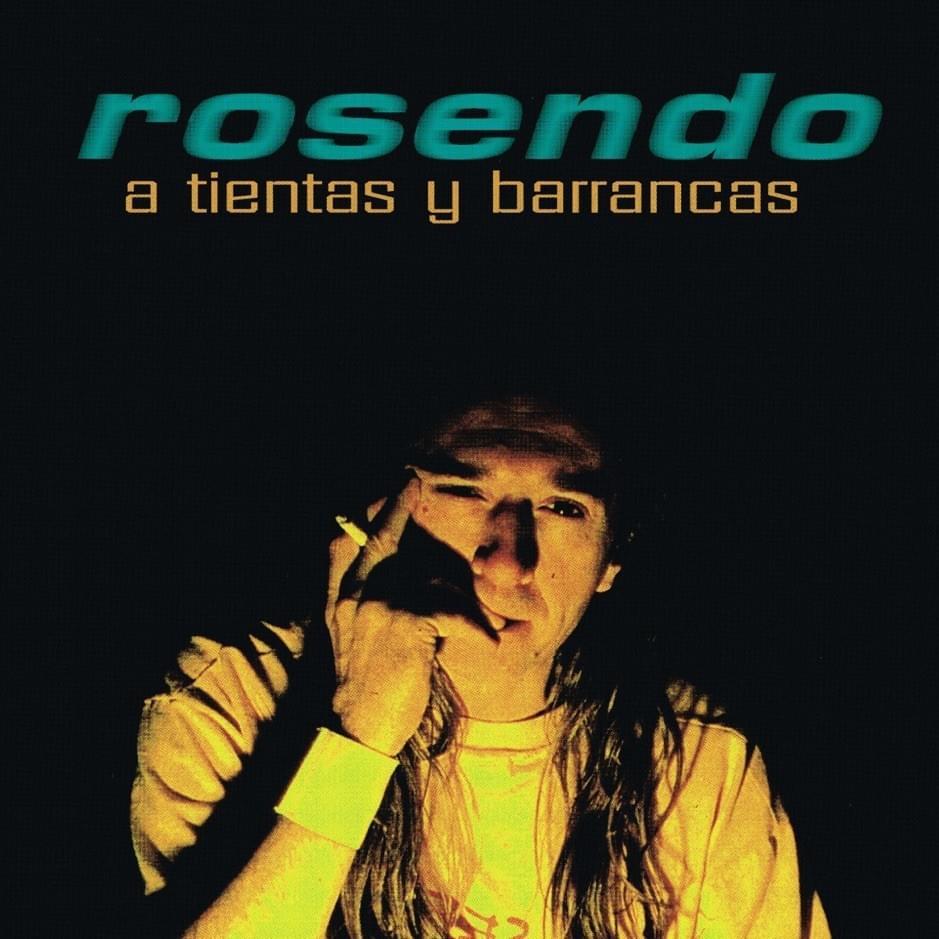
 View Artist