Song Meaning
The lyrics paint a stark picture of being trapped and hunted. The narrator feels like a rabbit in its burrow, surrounded by "sbirri e traditura" – cops and traitors. This immediate image sets a tone of desperate vulnerability, suggesting a pervasive sense of being cornered by authority and betrayal. The repetition of this line amplifies the feeling of inescapable danger and the constant threat from multiple sources.
The central tension arises from a profound sense of powerlessness against an unjust system. The narrator is "pi la lana" – at the mercy of "Lu capitanu," the captain or leader. This phrase implies being completely controlled, like wool being pulled from a sheep. The uncertainty of "a quali judici mi duna" (to which judgment he gives me) highlights a lack of agency and a fear of arbitrary punishment, underscoring the precariousness of their situation.
The writing uses visceral imagery to convey deep suffering and a desire for violent retribution. Being "jittatu pi lignu di vara" (thrown like wood for a bier) suggests being treated as dead or disposable, with the entire person becoming "'na chiaja" – a wound. This raw, physical depiction of pain culminates in a fierce, almost primal urge: "Scippamucci la testa a li 'nfamuna" (Let's rip the heads off the scoundrels). This violent imagery, repeated for emphasis, reveals a breaking point where the victim's pain transforms into a vengeful fantasy.
This song's effectiveness lies in its unflinching portrayal of being utterly besieged and the raw emotional release it offers. The repeated, almost incantatory phrases build a sense of suffocating dread, while the final, brutal call for vengeance provides a cathartic, albeit dark, expression of rage against overwhelming oppression. It captures a feeling of being pushed too far, where the only perceived recourse is a desperate, violent fantasy.
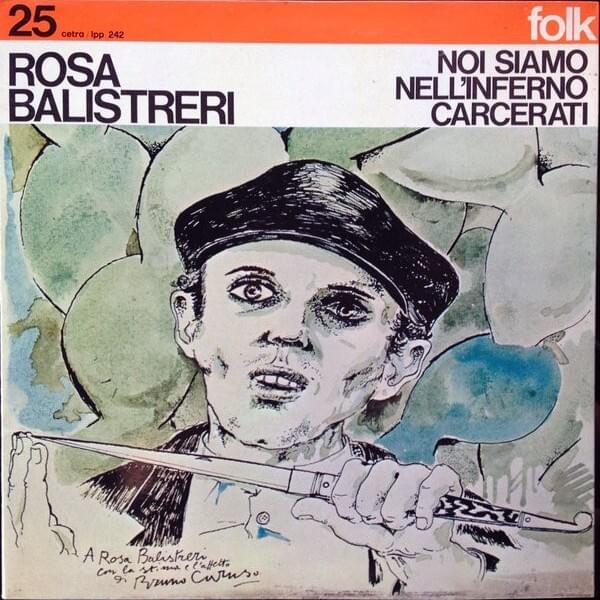
 View Artist