Song Meaning
The lyrics open with a dreamlike encounter where an old woman appears, repeatedly asking "Peppi, ti vo' maritari?" This sets a tone of insistent, almost fated, pressure towards marriage. The narrator, Peppi, seems to be grappling with this question, perhaps in a state of sleep or deep contemplation.
The central tension arises from the contrast between the dream's marital proposition and the narrator's perceived ideal partner. Peppi describes a woman who is "bedda" (beautiful) and, crucially, "china di robbi e china di dinari" – full of clothes and full of money. This suggests a materialist desire, a focus on wealth and appearance as prerequisites for marriage, which might be at odds with the older woman's prodding.
The recurring phrase "Ca 'nta lu sonnu mi veni a 'ntantari?" (Who comes to bother me in my dream?) highlights the intrusive nature of this marital pressure. It’s not a gentle suggestion but an annoyance that invades the narrator's subconscious. The lyrics then introduce a proverb-like statement: "Cu' piglia la muglieri piglia detta / La detta veni a crisciri e a mancari." This translates to something like, "Whoever takes a wife takes a burden/debt, which grows and diminishes." This cynical view of marriage as an increasing liability adds another layer to Peppi's potential reluctance.
This song effectively captures a specific kind of societal or familial pressure towards marriage, filtered through a dream and a cynical folk wisdom. The repetition of the question and the description of the ideal wealthy partner, juxtaposed with the warning about the cost of a wife, create a compelling portrait of someone caught between expectation and a pragmatic, perhaps weary, outlook on matrimony.
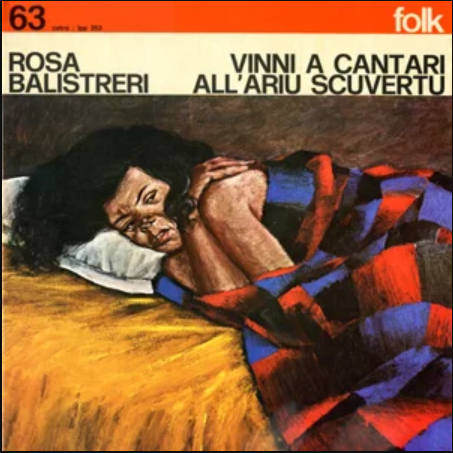
 View Artist