Song Meaning
This song opens with a direct, almost pleading address to Saint Anthony, urging him to "come down, come down." The narrator is singing a lullaby, "E si nun dormi beddu lu capizzu / Ti pigghiu pi li piedi e t'arrimazzu," which translates to "And if you don't sleep, beautiful one, your head / I'll take you by the feet and shake you." This isn't a gentle lullaby; it's a forceful, slightly threatening one, setting a tone of urgent, perhaps desperate, care.
The central tension arises from the contrast between the saint's divine status and the very human, almost domestic, demands placed upon him. The narrator promises gifts for a festival, "T'haj'a 'ccattari tanti cosi, tanti," but immediately questions the feasibility: "O si po' o nun si po'?" This doubt colors the entire interaction, suggesting a struggle to provide or to believe in the possibility of divine intervention.
The lyrics then shift to a description of a child, "Moru ch'è beddu / Moru ch'è granni / Quannu crisci va' a 'ccatta la carni / Masculu e beddu." This child is presented as a source of pride, intended to provoke "A la raggia di li vicini" – the envy of the neighbors. The narrator seems to be projecting hopes and desires onto this child, perhaps seeing him as a vessel for overcoming hardship or social pressure.
Ultimately, the song's power lies in its raw, unsentimental portrayal of devotion and aspiration. It grounds the sacred in the everyday, showing a narrator who negotiates with a saint as if he were a child, using earthly promises and a fierce, protective pride to navigate a world where resources are scarce and social standing is paramount. The repeated question, "O si po' o nun si po'?" underscores a persistent, gnawing uncertainty about whether these hopes can ever truly be realized.
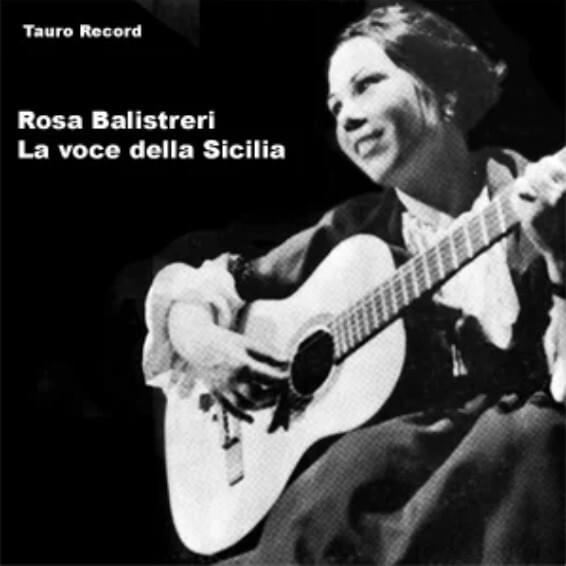
 View Artist