Song Meaning
The lyrics paint a stark picture of loss and imprisonment, opening with a lament for lost love and vanished joys. The narrator questions how a beautiful freedom was so easily lost, now held captive by "li canazzi corsi" – a phrase suggesting a relentless, perhaps corrupt, pursuit or control. This immediate sense of being trapped and having something precious stolen sets a somber, urgent tone.
The central tension lies in the profound grief over this lost freedom and the feeling of being forgotten or erased. The narrator calls for universal mourning, urging "li liuna e l'ursi" (lions and bears) to weep, and most poignantly, for their own mother to cry because they are lost even while alive. This highlights a deep existential despair, a state of being present but effectively gone.
The most striking element is the narrator's plea to be written "a lu libru di li persi" – into the book of the lost. This isn't just about being forgotten; it's an active request to be cataloged among those who have vanished, emphasizing the finality and completeness of their perceived disappearance. The repetition of "persi" (lost) throughout reinforces this pervasive sense of absence and dispossession.
This writing is effective because it translates a complex emotional state into visceral imagery. The contrast between past "giochi e spassi" (games and fun) and the current "bedda libirtà" (beautiful freedom) lost to "canazzi corsi" creates a powerful sense of injustice. The final, desperate request to be inscribed in the book of the lost is a haunting articulation of feeling utterly erased from existence, even while still breathing.
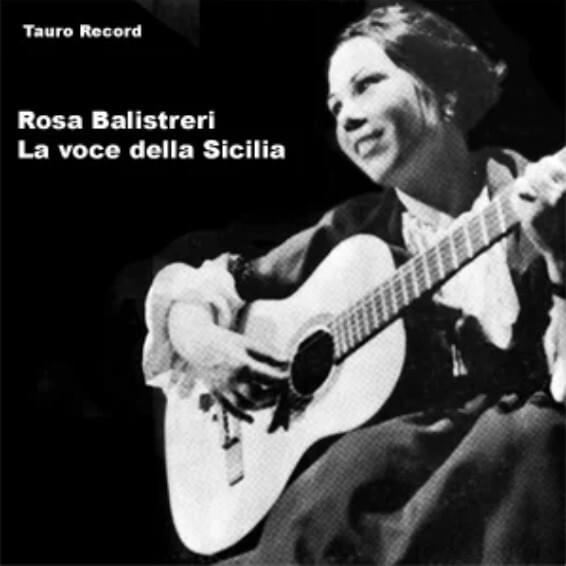
 View Artist