Song Meaning
This is a raw plea against the oppressive heat of the sun, framed as a working song. The narrator directly addresses Saint Agatha, begging her to make the sun go down, not for the sake of the landowners, but for the poor laborers. The immediate tone is one of desperate exhaustion and a yearning for relief from relentless toil.
The central tension lies in the stark contrast between the suffering of the workers and the indifference of those in power. The lyrics highlight a brutal disparity: the laborers endure sixteen hours of back-breaking work, their bodies breaking down, while the master drinks wine in secret. This injustice is amplified by the meager sustenance provided – not even clean water, but water from a ditch where ropes soften. The implication is that their very tools, their means of labor, are treated with more care than the workers themselves.
The repeated phrase, "Ma fallu pi li poviri jurnatàri" (But do it for the poor laborers), underscores the song's core message. It's a direct appeal to compassion, a rejection of the idea that the sun's harshness should benefit only the privileged. The image of "li rini si li mangianu li cani" (the kidneys are eaten by dogs) is a visceral, almost shocking metaphor for the physical degradation and dehumanization experienced by these workers, suggesting their bodies are treated as less than animal.
This song hits hard because of its unvarnished portrayal of exploitation and its direct, almost defiant, appeal for divine intervention on behalf of the downtrodden. The simple, repetitive structure and the stark imagery create a powerful sense of shared suffering and a desperate hope for respite, making the listener feel the weight of each grueling hour under the sun.
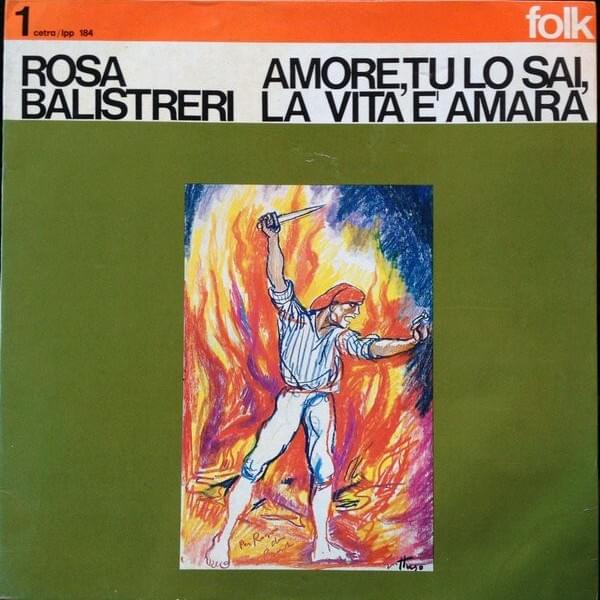
 View Artist