Song Meaning
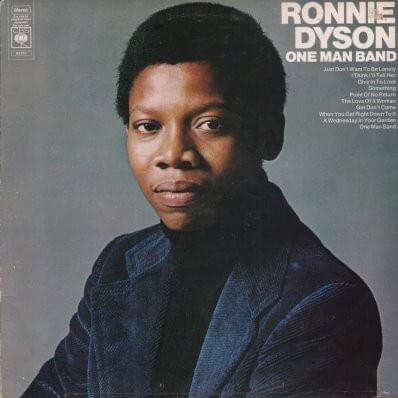
Ronnie Dyson's "When You Get Right Down To It" isn't chasing sonic innovation; instead, it’s a masterclass in distilling love down to its most potent essence: the present moment. The song’s core phrase acts as both a question and a statement, repeatedly urging the listener (and, presumably, the object of Dyson’s affection) to shed the baggage of past disappointments and future anxieties. It’s a kind of temporal mindfulness, pre-dating the self-care era by decades, yet hitting on the same fundamental need: to be fully *present* in a positive experience. The lyrics suggest that the healing power of love lies not in grand gestures or long-term promises, but in the immediate, tangible connection between two people. Forget the 'bad times' and 'hurt'; the magic is *now*.
What makes this more than just a simple love song is its acknowledgement of time's relentless march. The lines about the 'magic' not lasting forever introduce a subtle layer of melancholy. Dyson isn’t naive; he knows that even the most intense feelings are ephemeral. However, this awareness doesn't diminish the value of the present. Instead, it amplifies it. The desire to 'relive this moment again' isn't just romantic longing; it’s a recognition that these moments are precious and fleeting, deserving of our full attention and appreciation. The repetition of 'again and again' underscores this yearning to hold onto something that is inherently transient.
Ultimately, the song meaning of "When You Get Right Down To It" resides in its ability to tap into a universal human desire: to find solace and joy in the face of life’s uncertainties. It's a call to prioritize authentic connection, to savor the present, and to understand that even impermanent moments can hold profound significance. Ronnie Dyson isn't just singing about love; he's offering a philosophy for living a more meaningful life, one exquisite moment at a time. The song's lasting appeal lies in its poignant simplicity and its unwavering focus on the transformative power of being truly present.
 View Artist