Song Meaning
Ronnie Dyson's "Just Don't Want To Be Lonely" isn't a grand declaration of love; it's a stark confession of need. The song meaning hinges on the raw vulnerability of admitting that companionship, even in fleeting moments, is preferable to the crushing weight of solitude. Dyson isn't necessarily singing about a deep connection, but rather the primal human desire to avoid being alone. The repeated line, "I just don't wanna be lonely," becomes both a plea and a justification for accepting less than ideal circumstances in a relationship. It’s a sentiment that cuts deep, acknowledging that sometimes the fear of emptiness outweighs the pursuit of perfect love.
The lyrics themselves paint a picture of a pragmatic, almost transactional, approach to connection. Dyson sings, "I don't mind when you say that you're going away / I just don't wanna be lonely," highlighting a willingness to overlook absence and impermanence. The chorus, with its conditional phrasing ("I'd rather be loved and needed; depended on to give a love I can't give"), suggests a compromise. It's an admission that the love offered might be incomplete, but the need for connection supersedes the desire for a flawless exchange.
The brilliance of "Just Don't Want To Be Lonely" lies in its unflinching honesty. It bypasses romantic ideals and instead confronts the core human drive to be seen, acknowledged, and simply not left in the dark. The song resonates because it taps into a universal fear—the fear of being utterly alone—and acknowledges the lengths to which people will go to avoid it. It's a portrait of love stripped bare, revealing the fundamental need for human contact that lies beneath the surface.
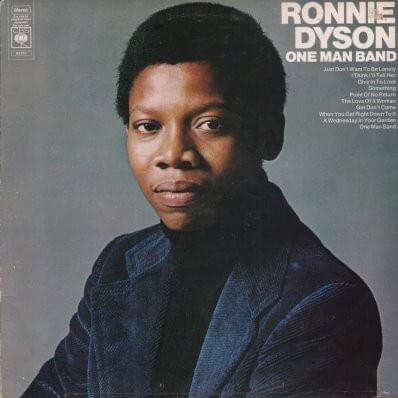
 View Artist