Song Meaning
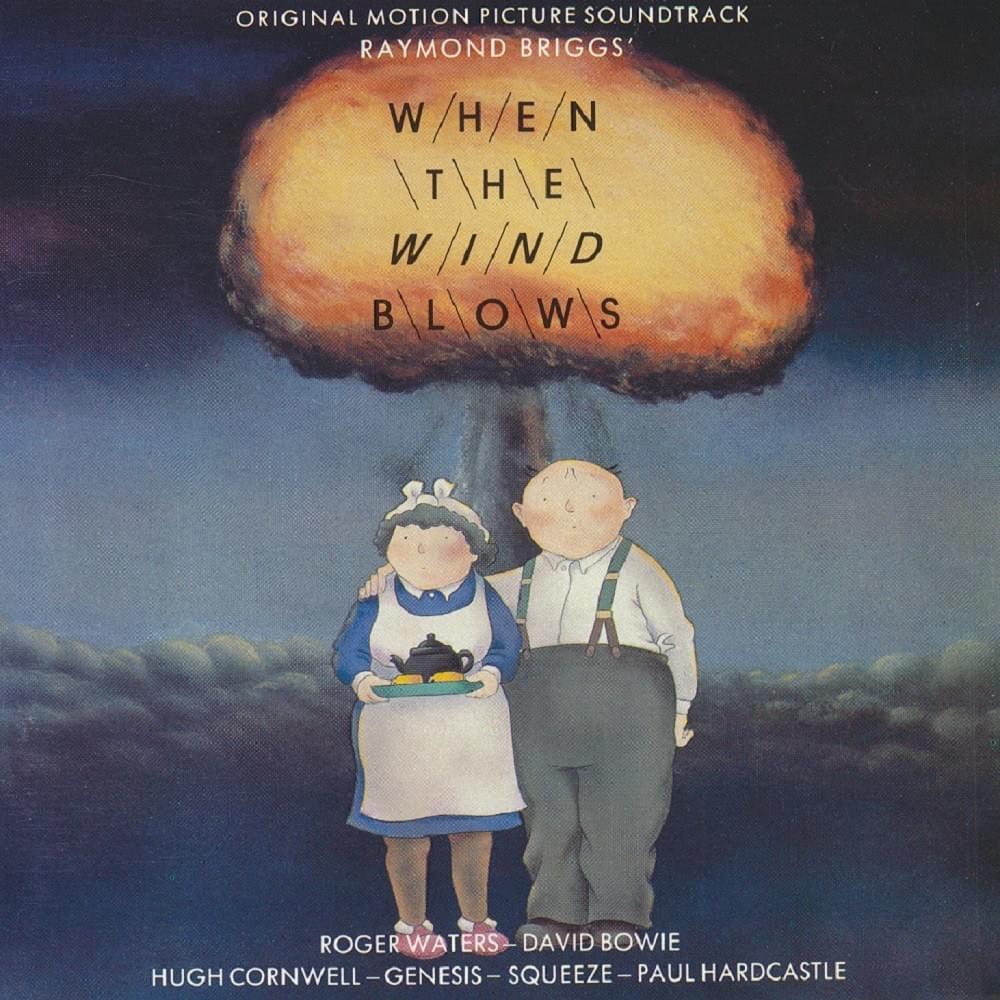
Roger Waters' "The Anderson Shelter" isn't a song in the traditional sense, but a poignant vignette, a captured memory reeking of wartime nostalgia. The track presents snippets of conversation between Hilda and Jim Bloggs, reminiscing about their Anderson and Morrison shelters during World War II. It’s a deceptively simple exchange, layering complex human psychology beneath its surface. The juxtaposition of wartime trauma with fond recollections creates a disturbing yet fascinating tension. It begs the question: what compels individuals to romanticize periods of intense suffering? Is it a coping mechanism, a way to reclaim agency in the face of overwhelming fear and loss? Or does it speak to a deeper human need for connection and shared experience, forged in the crucible of collective adversity? The repeated phrase, "Those were the days," dripping with irony, underscores the absurdity of glorifying a time defined by death and destruction.
The lyrics analysis reveals a yearning for the simplicity and communal spirit that the war engendered. Hilda's description of the Anderson shelter adorned with flowers, and Jim's pin-up-laden Morrison shelter, transform these symbols of fear into spaces of personal expression and even comfort. The shared experience of blackouts, cups of tea, and Churchill's broadcasts created a sense of national unity, a stark contrast to the fragmented individualism of modern society. The evacuees' wide-eyed wonder at seeing cows for the first time highlights the cultural shifts and unexpected encounters that the war brought about. Waters doesn't endorse this nostalgia but presents it as a psychological phenomenon, a testament to the human capacity for selective memory and the search for meaning, even in the darkest of times.
Ultimately, "The Anderson Shelter" serves as a disquieting reminder of our tendency to sanitize history, to filter out the horrors and focus on the moments of connection and resilience. The song meaning lies not in celebrating war, but in examining the complex ways in which we process trauma and construct narratives of the past. It is a subtle but powerful critique of nostalgia, forcing us to confront the uncomfortable truth that even in the midst of unimaginable suffering, humans find ways to create beauty, connection, and a sense of belonging. The track lingers in the mind long after it ends, a haunting echo of a bygone era and a chilling reflection on the enduring power of human memory.
 View Artist