Song Meaning
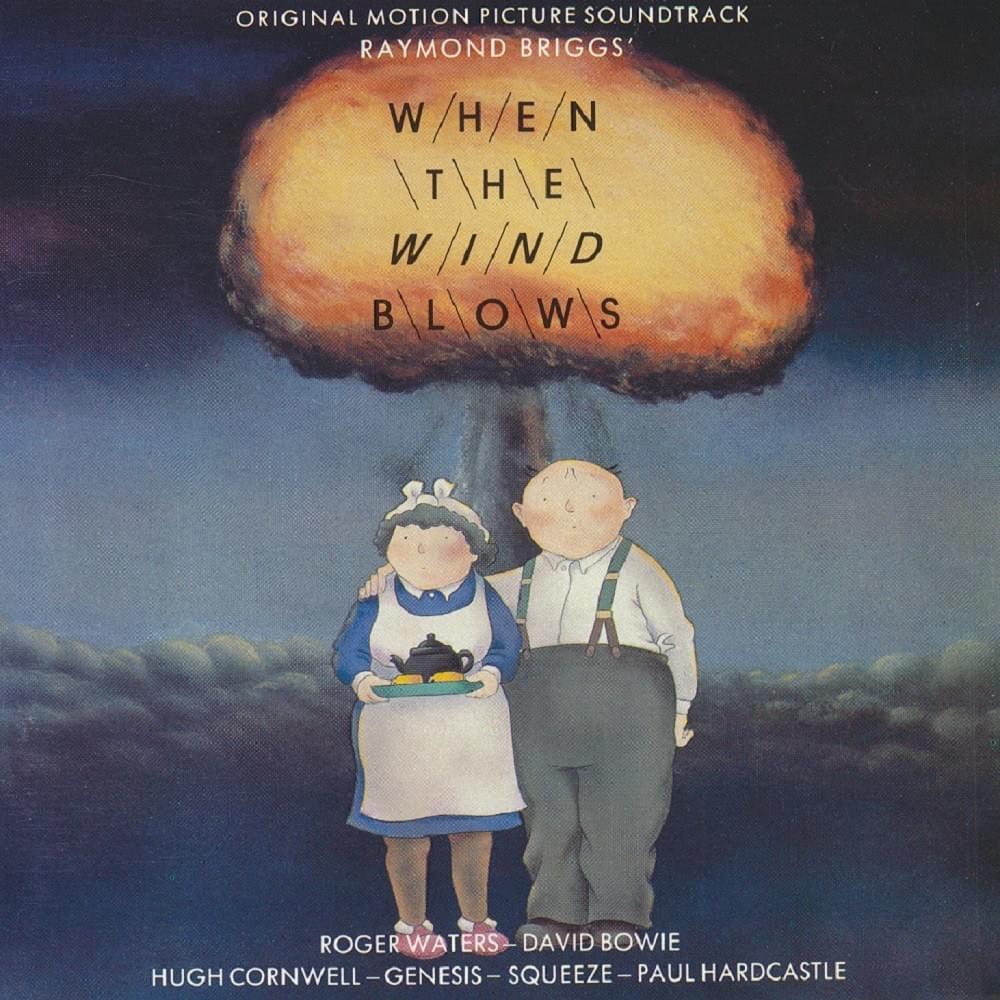
Roger Waters' fragment "Hilda's Hair" isn't so much a song as a brief, unsettling tableau. Stripped of musicality in the conventional sense, it presents what sounds like a husband and wife, Jim and Hilda Bloggs, in a moment of intimate, yet profoundly disconnected, exchange. The snippets of scripture and poetry recited by Jim, initially promising solace ("lay me down in green pastures"), quickly dissolve into incoherence ("enter the valley of the shadow of death... rode the six hundred"). This disintegration suggests a mind struggling to maintain composure, perhaps under the weight of illness, age, or some other unnamed existential pressure.
Hilda's presence is crucial. Her initial, polite affirmation ("That was nice, really") underscores the chasm between her and Jim's internal turmoil. While he grapples with fragmented memories and anxieties, she offers a simple, almost detached, acknowledgment. Her subsequent "no more, now... no more..." can be interpreted in several ways. Is she gently trying to redirect Jim, weary of his rambling? Or is there a deeper weariness, a resignation to the situation, a plea for the suffering to end? The lack of context forces listeners to confront the raw, unvarnished reality of human vulnerability and the often-strained communication within long-term relationships.
The absence of traditional song structure amplifies the unease. We're dropped into this scene without introduction or explanation, left to piece together the narrative fragments. The title, "Hilda's Hair," remains enigmatic. Is it a mundane detail, a fleeting observation in the midst of chaos? Or does it symbolize something more profound – perhaps a lost vitality, a reminder of a time when Jim's mind was clearer and their connection stronger? Ultimately, "Hilda's Hair" functions as a miniature tone poem of domestic disintegration, a stark reminder of the fragility of the human mind and the complexities of love in the face of decline.
 View Artist