Song Meaning
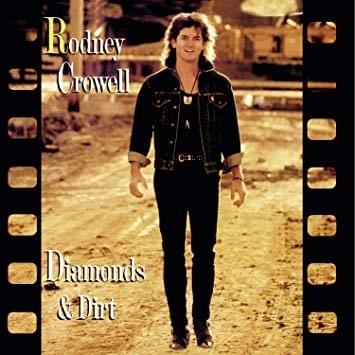
Rodney Crowell's "The Last Waltz" isn't a song about endings, but about enduring hope in the face of life's inherent uncertainties. The waltz, traditionally a dance of intimacy and connection, becomes a potent metaphor for the enduring strength of a relationship, a promise kept against the backdrop of an unpredictable world. Crowell acknowledges the cyclical nature of existence: "Sometimes it's diamonds and sometimes it's dirt," he sings, accepting both the highs and lows as inevitable parts of the human experience. This isn't naive optimism, but a grounded understanding that joy and hardship are inextricably linked. The 'trouble I see' is not denied, but rather contextualized by the deeper commitment to shared experience and the promise of a future together. This lyrical approach resonates with a mature audience that understands life's complexities, where simple solutions are rare and lasting bonds require continuous effort.
The recurring line, "But I'm happy just knowin', you're saving the last waltz for me," is the emotional anchor of the song. It speaks to a psychological need for security and validation within a relationship. The 'last waltz' isn't necessarily about death or finality. It represents the ultimate act of devotion, a symbolic commitment to remain present and engaged, even when the 'harvest' is over and 'winter is near.' The fiddle playing in the background adds a layer of poignant beauty, suggesting that even as time marches on, the music of their connection continues.
While acknowledging the absence of 'easy answers,' Crowell infuses the song with a subtle spiritual yearning. The bridge, with its aspirations to "sail away," "fly," and "see the light of day," hints at a desire for transcendence, a belief in something beyond the mundane. This yearning isn't presented as escapism, but as an integral part of the human spirit, a driving force that sustains us through difficult times. It’s this combination of realism and hope that makes "The Last Waltz" a compelling meditation on love, loss, and the enduring power of human connection.
 View Artist