Song Meaning
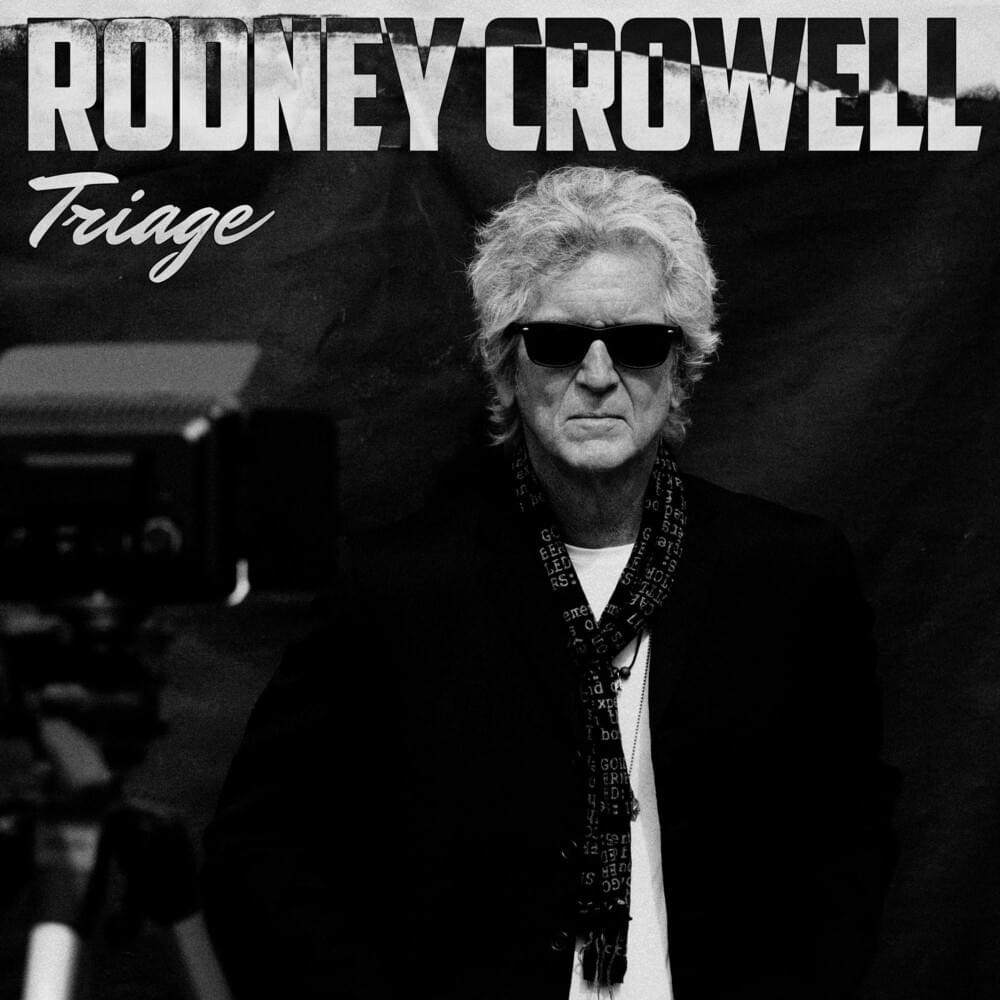
Rodney Crowell's "Don't Leave Me Now" isn't just a plea; it's a raw, exposed nerve of contrition. The song meaning hinges on the precipice of a relationship shattered by betrayal. We're dropped into the aftermath, where the narrator, steeped in shame, is desperately trying to salvage what's left. It's a classic country trope—the flawed man begging for redemption—but Crowell delivers it with a palpable vulnerability that transcends genre cliches. The opening lines, "I've been a liar / I've been untrue," are not offered as excuses, but as stark admissions. The power lies not in justifying the actions, but in acknowledging their devastating impact. He understands that his actions have "blown [his] whole world apart." This isn't about self-pity; it's about recognizing the profound consequences of his choices.
The core of "Don't Leave Me Now" resides in the chorus, a desperate mantra repeated with increasing urgency. It's a paradox: he admits there's "no right way, there's no wrong way, there's only your way," acknowledging the partner's absolute power in this situation. He's relinquishing control, begging for a second chance not on his terms, but entirely on hers. This self-awareness is key. The lyrics suggest the 'untrue' actions are not a one-off, but a pattern of behavior that has eroded trust. The lines "Life has very simple laws / To profit from the pain you 'cause, a man must pay" reveal a recognition of karmic debt, an understanding that actions have consequences, and he's now facing his. He pledges change, promising "a different man," but the listener is left to question whether this is genuine transformation or simply a desperate attempt at self-preservation.
The instrumental break offers a moment of unspoken grief, a space for reflection on the damage inflicted. The outro, a fading echo of the chorus, layers on the desperation. The repeated phrase "Don't leave me now" becomes almost unbearable, punctuated by the fragile hope that "this mistake I've made will someday fade into the evening shade." But even this optimistic note is laced with uncertainty. Crowell understands that forgiveness isn't guaranteed, that the scars of betrayal may never fully heal. The song succeeds because it doesn't offer easy answers or pat resolutions. It leaves us suspended in the messy, uncomfortable reality of a relationship teetering on the brink, forcing us to confront the complexities of forgiveness, redemption, and the enduring power of love in the face of profound disappointment. The song's analysis reveals a portrait of human fallibility, not excusing transgression, but exposing the raw ache of regret and the yearning for a second chance.
 View Artist