Song Meaning
These lyrics open with a stark contrast: a speaker rejects a lavish gift of "Doce cubiertos de plata" in favor of a simple "cuchara de palo." This isn't about materialism; it's a poignant longing for a past love, specifically "De cuando tú me querías." The immediate emotional texture is one of wistful nostalgia, valuing genuine affection over superficial gestures.
The narrative then shifts dramatically, introducing a vibrant scene where the speaker spots a striking "Moreno y bien parecío" man on the road. Her invitation to him — "Sube a mi jaca torera / Vente conmigo al Rocío" — is bold and direct, suggesting a yearning for adventure or a new connection. This desire for freedom and spirited engagement, however, is immediately complicated by the revelation in the next stanza: despite the communal joy of the "Romería" where even oxen are adorned, the speaker throws her flowers into a well because "mi novio es celoso." This creates a powerful tension between outward celebration and internal suppression.
One of the most intriguing craft elements appears in the final lines, where the speaker describes her horse, named "Moro," which she deliberately calls "Cristiano." This playful renaming, and the horse's subsequent "arrodilla de mano / Ante la Blanca Paloma," introduces a layer of subtle irony and identity play. It seems to reflect a complex relationship with tradition and perhaps a quiet subversion of expectations, mirroring the speaker's own conflicted desires and constraints.
Ultimately, these lyrics are effective because they paint a vivid, multi-dimensional portrait of a character navigating longing, desire, and societal or relational limitations. Through sharp contrasts—silver versus wood, public joy versus private frustration—and culturally rich imagery, the writing creates a compelling sense of a person caught between what was, what could be, and what is, making the listener feel the weight of her unspoken desires and the quiet strength of her spirit.
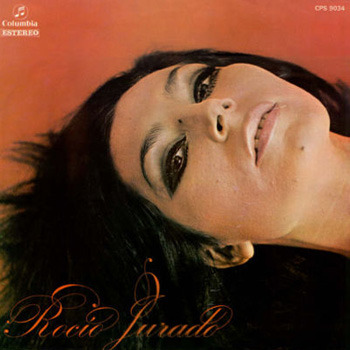
 View Artist