Song Meaning
The lyrics unfold as a series of direct, emotionally charged calls to three distinct figures: Dolores, Gitanito, and María Antonia. Each address carries a unique emotional weight, from admiring wonder to deep lament and sharp reproach. The repeated, almost wailing, intonation of names like "¡Dolo...o...res!" immediately sets a tone of intense, personal engagement.
A core emotional tension emerges in the speaker's relationship with María Antonia, who appears to have rejected a cousin for a stranger. This perceived betrayal is compounded by her apparent dismissal of the speaker due to his lack of wealth: "Dices que ya no me quieres Porque no tengo qué dar." This economic disparity fuels the speaker's bitterness, suggesting a conflict between loyalty and material gain.
The lyrics' most striking craft element is the speaker's cutting sarcasm directed at María Antonia. After her rejection, the speaker retorts, "Cásate con el reloj Que a todas las horas da." This line brilliantly contrasts the speaker's perceived emptiness with the relentless, impersonal "giving" of a clock, a bitter jab at her materialistic motivations. The lament for Gitanito's "negro tienes el sino" and constant solitude offers a stark, empathetic counterpoint to María Antonia's perceived superficiality.
What makes these lyrics hit hard is their raw, unfiltered emotional honesty, delivered through a folk-song structure. The direct addresses create an intimate, almost voyeuristic experience, drawing the listener into these personal dramas. The shifts in tone—from the gentle admiration for Dolores's floral scent to the mournful observation of Gitanito's solitude, culminating in the speaker's deeply personal and wounded critique of María Antonia—paint a vivid picture of community, loyalty, and heartbreak.
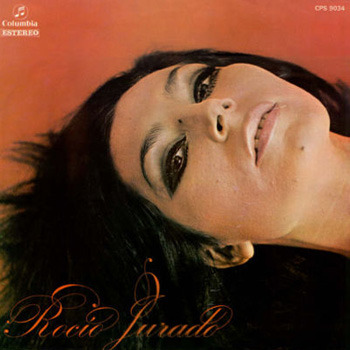
 View Artist