Song Meaning
Roberto Carlos's "Mi Carta" unfolds as a tender, almost desperate, confession whispered into the void. The premise is simple: a letter, an attempt at connection across an unbridgeable distance. But within that simplicity lies a profound exploration of longing and the bittersweet acceptance of separation. The opening lines immediately establish intimacy ("Querida, vuelvo otra vez / A conversar contigo"), suggesting a recurring need to reach out, to reaffirm a bond that exists primarily in memory and desire. The night's silence becomes a catalyst, an invitation to unburden the heart. This isn't just a casual greeting; it's a vulnerable offering of self.
The core of the song meaning resides in the tension between enduring love and imposed distance. Carlos acknowledges the possibility that life may never unite them ("Aunque la vida / No nos una nunca"), and even accepts the necessity of their separation. Yet, this acceptance doesn't diminish the intensity of his feelings. Instead, it amplifies the sacrifice, the quiet heroism of loving someone from afar. The lyrics, "Te digo / Todo este amor que siento es sólo tuyo / Mis pensamientos y mi vida tuyas," are a complete surrender, a declaration that transcends physical presence. He's not just offering affection; he's giving away his inner world.
Ultimately, "Mi Carta" isn't a lament; it's an affirmation. It's about the power of love to persist even when faced with insurmountable obstacles. The repeated possessive – "tuyo," "tuya" – emphasizes the totality of his devotion. His thoughts, his life, his very heart belong to the absent beloved. This isn't about possession in a controlling sense, but rather a recognition that his identity is inextricably linked to her. The song's quiet intensity resonates because it taps into a universal human experience: the enduring power of love to shape us, even in its absence.
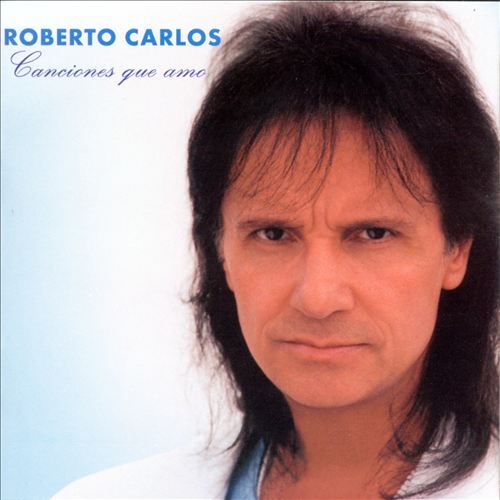
 View Artist