Song Meaning
Roberto Carlos's "Insensatez" is a masterclass in the art of the mea culpa, a delicate unpacking of regret aimed squarely at the heart of a lost love. The song, draped in the melancholic beauty of its melody, doesn't wallow; it dissects. The opening lines, lamenting the "insensatez" (folly or senselessness) inflicted upon the singer, immediately establish a landscape of emotional reckoning. But this isn't a blame game. There's a profound understanding that the pain inflicted stems from an inability to fully grasp and reciprocate the depth of the love offered. It’s an acknowledgment of emotional immaturity, a painful realization that dawns only after the damage is done.
The core of "Insensatez" rests on the plea for understanding and forgiveness. The repeated invocation of the "corazón" (heart) acts as both a messenger and a proxy for the singer's remorse. It's a vulnerable admission: "my heart, tell your love that you are repentant." This isn't just about saying sorry; it's about demonstrating a fundamental shift in understanding. The singer recognizes that the actions born of "insensatez" have created a chasm, and he’s desperately trying to bridge it with sincerity.
Ultimately, "Insensatez" hinges on the redemptive power of love itself. The final verses offer a glimmer of hope, suggesting that genuine love, "sincero apasionado" (sincere and passionate), possesses an inherent capacity for forgiveness. This isn't a naive expectation, but rather a testament to the enduring strength of the bond that was broken. The plea for pardon isn't just a request; it's an affirmation of the transformative potential of love, a belief that even the deepest wounds can be healed by genuine remorse and a renewed commitment to cherishing the love that remains.
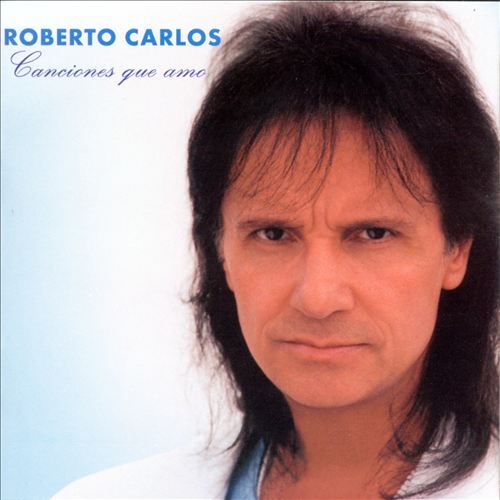
 View Artist