Song Meaning
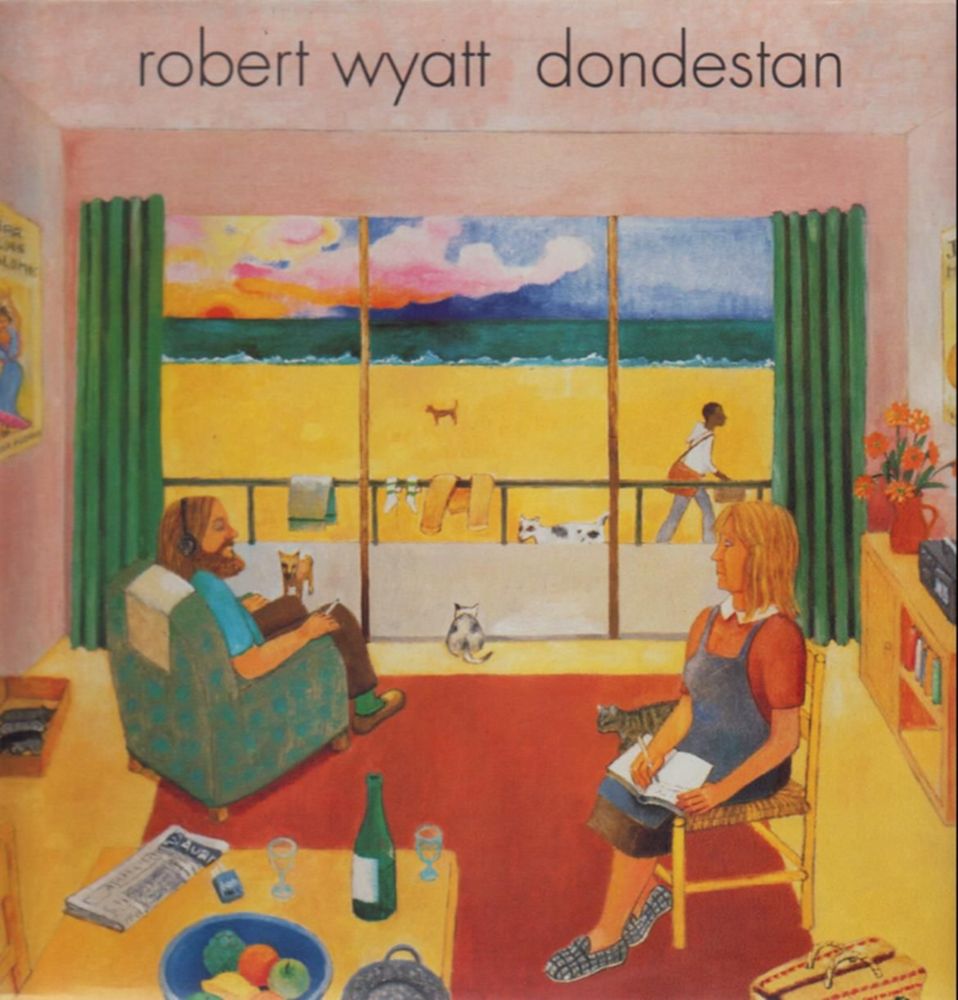
The lyrics paint a vivid picture of a powerful wind arriving on a beach, transforming the landscape with an almost sentient force. It begins with an auditory cue, a sound heard before sight, hinting at the wind's pervasive presence. The scene quickly shifts from the natural elements of the beach to man-made intrusions, like sand dunes on concrete and a plastic bag caught on a railing, suggesting the wind's ability to disrupt and interact with human presence.
The dominant tension lies in the wind's dual nature: destructive yet cleansing. It's described as scratching an "urgent message" and making a plastic bag "rearing to go," personifying its energy. Yet, this same force "stroking the beach clean," erasing "yesterday's footprints" and replacing them with "smooth rippling wave formations." This dynamic suggests a natural reset, a powerful force that obliterates the past to create a new, albeit temporary, surface.
The most striking imagery is the "dead leaf zig-zagging," likened to scratching an "urgent message in Sanskrit." This elevated, almost mystical description imbues the wind's actions with a profound, ancient significance, far beyond mere weather. The contrast between this profound message and the mundane "plastic bag" and "last week's news" highlights the wind's ability to find meaning and movement in the discarded and overlooked.
Ultimately, the lyrics resonate because they capture a moment of overwhelming natural power that redefines a familiar space. The wind isn't just blowing; it's actively rewriting the beach, offering a fleeting glimpse of a world where the inanimate is animated and the past is literally swept away. The final line, "A day for the rubbish to dance," encapsulates this chaotic, yet strangely beautiful, transformation.
 View Artist