Song Meaning
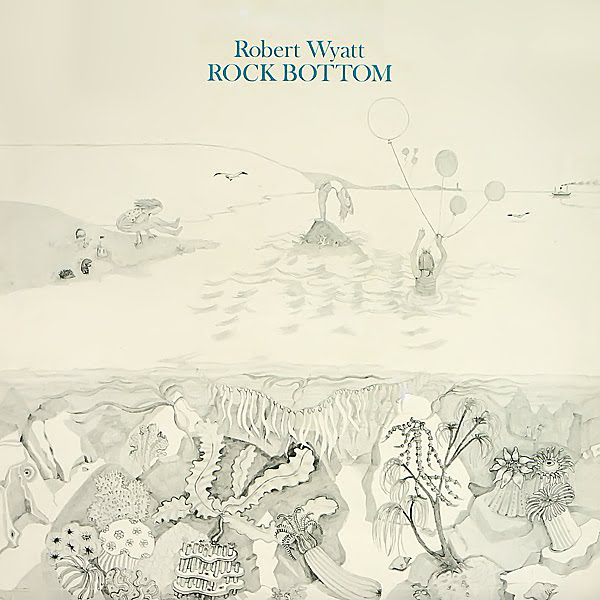
The lyrics paint a picture of a captivating, almost otherworldly individual who shifts in appearance and demeanor, emerging from the sea. The narrator observes this person's transformation, noting their aquatic features – "partly fish, partly porpoise, partly baby sperm whale" – and a duality that surfaces with intoxication. This enigmatic figure is described as "terrific" and "quite alright" when drunk, but confusingly different in the morning, struggling to "play at being human." This morning-after transformation creates a distinct emotional distance.
The central tension lies in the narrator's fascination with this shifting persona and their struggle to reconcile the different facets of the person they are addressing. There's a clear dichotomy between the allure of the intoxicated, sea-born being and the more distant, perhaps less comprehensible human form of the morning. The narrator questions ownership and connection, asking "Am I yours? Are you mine to play with?" highlighting a relationship that feels more like a temporary, intriguing encounter than a stable bond.
The lyrics employ striking, surreal imagery to capture this elusive nature. The comparison to a "seasonal beast" and starfish that "drift in with the tide" emphasizes a cyclical, almost involuntary change tied to natural rhythms, like the "next full moon." This connection to lunar cycles and the sea suggests an untamed, primal essence. The repetition of "with the tide" and the parallel phrasing "Your madness fits in nicely with my own" underscores a shared, perhaps chaotic, compatibility that transcends conventional human interaction.
Ultimately, the effectiveness of these lyrics stems from their ability to evoke a sense of wonder and unease through vivid, unconventional descriptions. The narrator finds solace and a sense of belonging not in a stable, predictable relationship, but in the shared "lunacy" with a being as fluid and mysterious as the ocean itself. The closing lines, "We're not alone," offer a poignant resolution, suggesting that in this shared, unconventional connection, they find a unique form of companionship.
 View Artist